
Russia Resumes Strikes After Trump Peace Push, Claims 1,700 Ukrainian Troops Encircled
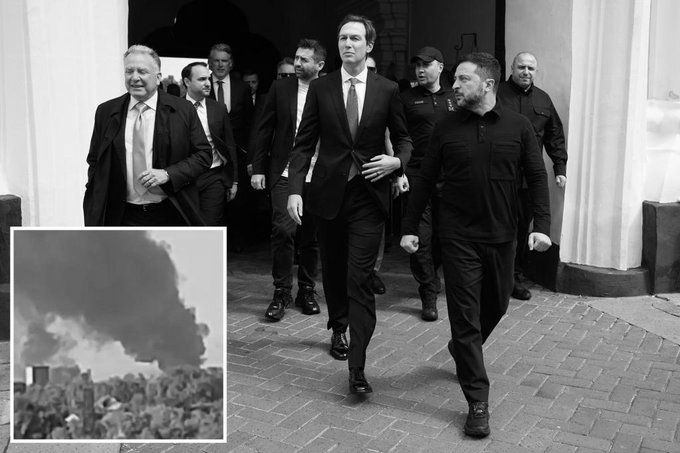
Russia resumed major drone and missile strikes on Ukraine shortly after US President Donald Trump’s envoys Steve Witkoff and Jared Kushner concluded peace talks in Moscow and Kyiv, ending a three-day pause in attacks on Kyiv. The renewed assault killed at least two people and injured 10, with residential buildings, a school, clinic, warehouses and other infrastructure damaged.
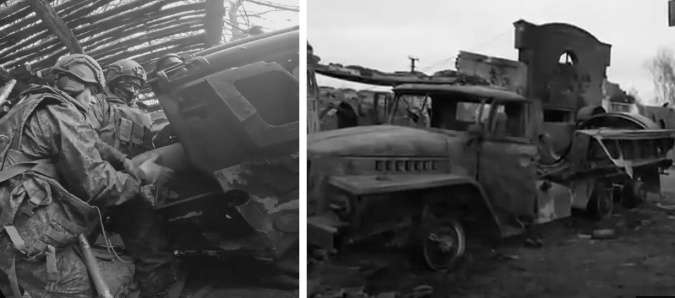
Moscow also claims its forces are tightening an encirclement of around 1,700 Ukrainian troops in Kharkiv, saying Ukrainian forces have not attempted to break out. Russia further claims it struck Ukrainian logistics infrastructure, drone storage and military deployment sites, intercepted nearly 500 Ukrainian drones and two guided bombs in 24 hours, and hit a Ukrainian patrol boat escorting military cargo in the Black Sea. These battlefield claims could not be independently verified.
The renewed strikes came after Witkoff and Kushner met Ukrainian President Volodymyr Zelenskyy following talks with Russian President Vladimir Putin. Witkoff said there had been substantive progress, while Zelenskyy said the envoys told him Russia was ready to negotiate. The Kremlin has also said it does not rule out reviving US-Russia-Ukraine trilateral talks, though no date or venue has been fixed.
But Ukraine faces another increasingly painful problem: a severe manpower shortage. Commanders and analysts say shortages are making it harder to maintain frontline units and sustain operations.
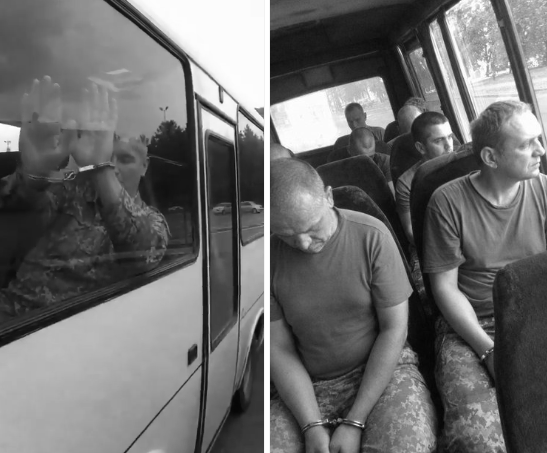
The crisis has fuelled controversy over mobilisation. A new video circulating online appears to show Ukrainian men being taken away for military service, including one man apparently being led in handcuffs, while other men inside a bus appear to have their hands restrained. The footage has not been independently verified, but it is likely to intensify debate over Ukraine’s recruitment practices.
The practice known as “busification” refers to cases in which military-age men are stopped in public, checked for military documents and taken to recruitment centres. Ukrainian and international reporting has documented complaints of coercive recruitment, while authorities have also investigated evasion schemes.
Ukraine lowered its mobilisation age from 27 to 25 in 2024, increased penalties for evasion and faced scandals over allegedly fraudulent medical exemptions. Men aged 18 to 22 were later allowed to cross the border, amid concerns about the loss of young manpower.
European officials are also alarmed. EU foreign policy chief Kaja Kallas has warned that Russia’s hybrid attacks are moving closer to Europe and that the continent risks waking up too late to the threat.