
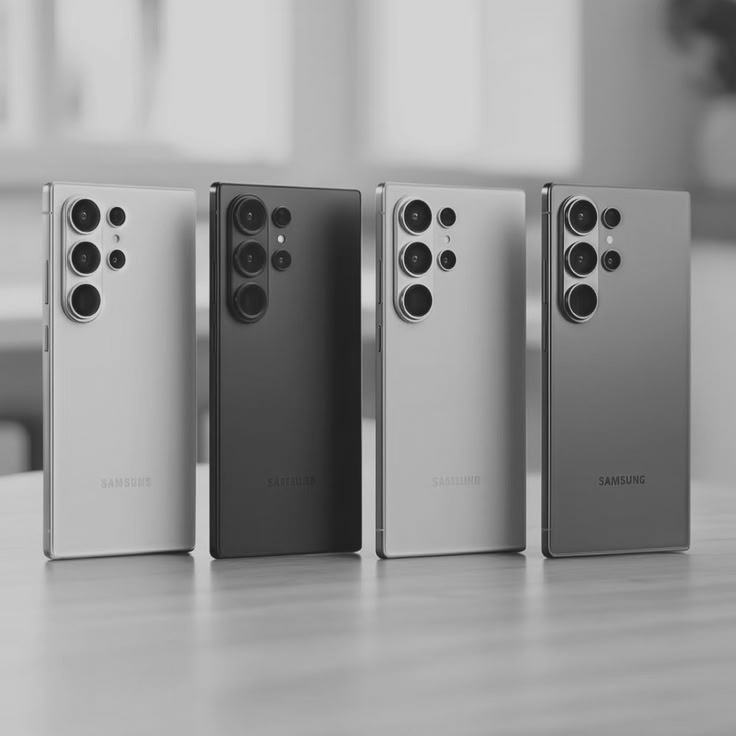
Samsung highlights crucial role of India R&D teams in Galaxy S26 development
India-based research and development centres of Samsung Electronics in Bengaluru and Noida have played a significant role in the development of the company’s latest flagship smartphone lineup, the Samsung Galaxy S26 series, a senior company executive said.
Speaking at a media roundtable during the launch event, Samsung Southwest Asia President and CEO JB Park highlighted the growing contribution of the company’s Indian engineering teams to its global product development efforts. He said the centres were involved in several crucial aspects of device engineering, including software integration, calibration and artificial intelligence features.
According to Park, Samsung’s Bengaluru R&D centre, the company’s largest outside South Korea is playing a pivotal role in developing AI algorithms for on-device artificial intelligence , particularly in areas such as camera optimisation. Meanwhile, the Noida R&D facility focuses on global device configuration and localisation , supporting network settings, telecom frequency alignment and market-specific software requirements for more than 120 countries.
Samsung currently employs over 10,000 engineers across its three R&D centres in India , with teams contributing to both domestic and global innovation. While fundamental hardware components such as display panels, memory and chipsets are developed by Samsung affiliates in South Korea, Indian engineers focus on ensuring seamless integration and optimisation of these components within devices running operating systems like Android .
Park noted that India’s young and tech-savvy population is accelerating the adoption of AI-enabled devices , making the country a key market for the company. Earlier this year, Samsung’s Device eXperience Division head TM Roh announced plans to double the number of AI-powered Samsung mobile devices to 800 million globally by 2026 , up from around 400 million in 2025.
According to the International Data Corporation , Samsung held 14.1 per cent share of India’s smartphone market in 2025 , competing with Apple Inc. and several Chinese brands in the premium segment. The company believes India will remain a crucial driver of its global growth strategy.