
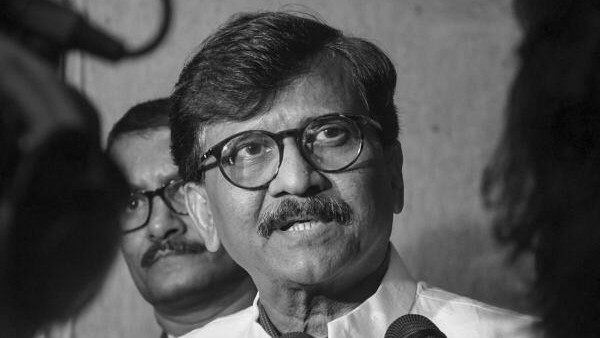
Sanjay Raut criticises no-handshake policy with Pakistan, calls it BJP ‘dadagiri’
India’s ongoing refusal to shake hands with Pakistan players continued to dominate headlines after a high‑voltage ICC Men’s T20 World Cup 2026 clash in Colombo, with reactions pouring in from cricketing figures, political leaders, broadcasters and fans alike. India comprehensively beat Pakistan by 61 runs in the marquee Group A fixture at R. Premadasa Stadium, securing their place in the Super Eight stage of the tournament.
From the pre‑match toss to the end of play , India’s no‑handshake stance was evident. Indian captain Suryakumar Yadav and Pakistan skipper Salman Ali Agha did not exchange the customary handshake before the toss. The trend continued post‑match, as Pakistan players such as Shaheen Shah Afridi and Usman Tariq appeared to wait briefly for a handshake that did not come before India’s players headed off after celebrating their win.
On the field, opener Ishan Kishan was the standout performer with a powerful 77 off 40 balls, including multiple fours and sixes, helping India post a competitive 175 for seven. India’s bowlers then dominated the chase, with Jasprit Bumrah, Hardik Pandya, Axar Patel and Varun Chakravarthy all taking key wickets as Pakistan were dismissed for 114 in 18 overs. The win extended India’s head‑to‑head dominance in T20 World Cups to an 8‑1 advantage over Pakistan and confirmed India’s progression to the Super Eights.
India’s no‑handshake policy, introduced after the 2025 Pahalgam terrorist attack in Jammu and Kashmir, has been maintained across all India‑Pakistan encounters, including last year’s Asia Cup. Officials and supporters frame it as a mark of respect for victims and national sentiment, even as the match drew massive viewership and advertising revenue, reportedly exceeding ₹200 crore .
Political reaction has been intense. Shiv Sena (UBT) leader Sanjay Raut criticised Indian players’ refusal to shake hands, labelling it “dadagiri” (bullying) by the BJP and the central government and urging that sportsmanship should prevail if matches are to be played. He also reiterated claims about betting money on India‑Pakistan games benefitting Pakistan and allegedly funneling into terrorism, a contention that has fueled political debate.
Cricketing voices weighed in sharply on the controversy. Former fast bowler Shoaib Akhtar said teams that cannot show basic respect should reconsider playing each other, while former Indian batter Sanjay Manjrekar called the no‑handshake stance “silly,” insisting teams should either uphold full sporting etiquette or not play at all. Pakistani commentators, including Mohammad Amir , also urged handshakes, sometimes with pointed remarks.
Amid the tension, moments of camaraderie stood out. Rohit Sharma and Wasim Akram shared a warm embrace at a ceremonial event, widely praised on social media as an example of goodwill. Off the field, the match drew massive viewership and global attention, with live streaming platforms reporting record engagement. With India advancing to the Super Eight stage , focus now shifts to their upcoming fixtures.