
SC Allows Friday Prayers At Dargah Near Disputed Bhojshala Complex In Dhar
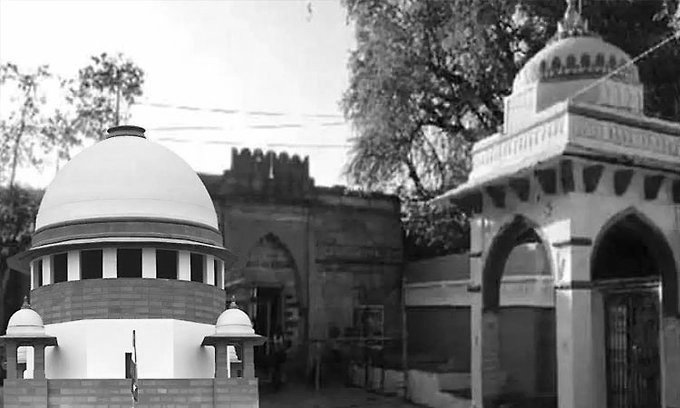
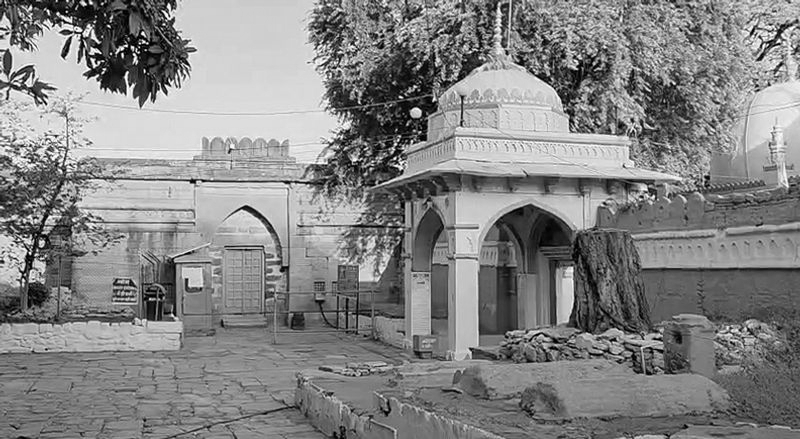
The Supreme Court on Thursday allowed Muslims to offer Friday prayers at a dargah adjacent to the disputed Bhojshala complex in Dhar, Madhya Pradesh, directing authorities to ensure arrangements for namaz between 1 pm and 3 pm every Friday until further orders.
A bench comprising Chief Justice Surya Kant and Justices Joymalya Bagchi and V Mohana passed the interim order after the Muslim side, led by Haji Muneer Ahmad, alleged that the Dhar administration had failed to provide a suitable prayer site near the disputed complex.
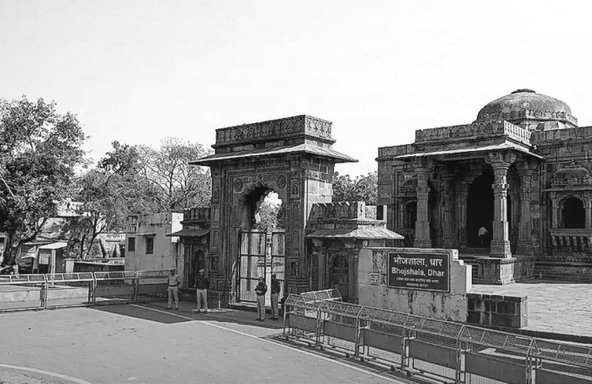
The court clarified that the order does not permit namaz inside the disputed Bhojshala complex and does not decide the larger dispute over the site’s ownership or religious character. It also allowed the state government and Muslim representatives to explore another mutually agreed location for Friday prayers.
The direction followed the Supreme Court’s July 14 order asking authorities to provide an alternative open space near the complex. The Muslim side objected that the location suggested by the administration was around 1.3 km away, arguing that the prayer site should be closer to the disputed structure.
The dispute involves the Bhojshala Kamal Maula Mosque complex, an ASI protected monument. Hindus claim it is an ancient temple dedicated to Goddess Saraswati, linked to Paramara king Bhoja, while Muslims identify it as the Kamal Maula Mosque associated with Sufi saint Kamal Maula.
The ASI’s 2003 arrangement allowed Hindus to perform worship on Tuesdays and Basant Panchami, while Muslims were permitted Friday prayers. The arrangement continued until the Madhya Pradesh High Court on May 15 ruled that the complex is a temple dedicated to Goddess Saraswati and cancelled the ASI order allowing Friday namaz.
The High Court also allowed the Centre and ASI to decide the complex’s management. Earlier, the ASI conducted a scientific survey ordered during legal proceedings, while the Supreme Court directed that no structural changes be made without its permission. The Supreme Court is currently hearing challenges against the High Court verdict. The latest order only addresses the immediate prayer arrangement, while the final decision on the long running Bhojshala dispute remains pending.