
SC Rejects Six-Month Extension For Aravalli Panel, Sets November 30 Deadline
The Supreme Court on Monday rejected a request by the High-Powered Committee (HPC) examining the definition and protection of the Aravalli Hills and Ranges for a six-month extension, directing it to submit its final report by November 30, 2026.
A bench comprising Chief Justice of India Surya Kant and Justices Joymalya Bagchi and V Mohana refused the panel's request for time until February 2027 and warned that failure to meet the new deadline could lead to the reconstitution of the entire committee. The CJI directed the members to “work day and night” to complete the exercise.
The committee had originally been asked to submit its report by August 31. It sought additional time, citing the complexity of the exercise and the need for comprehensive consultations with stakeholders, including tribal communities in Rajasthan and Gujarat. The court has also allowed the panel to submit interim reports on specific issues where necessary.
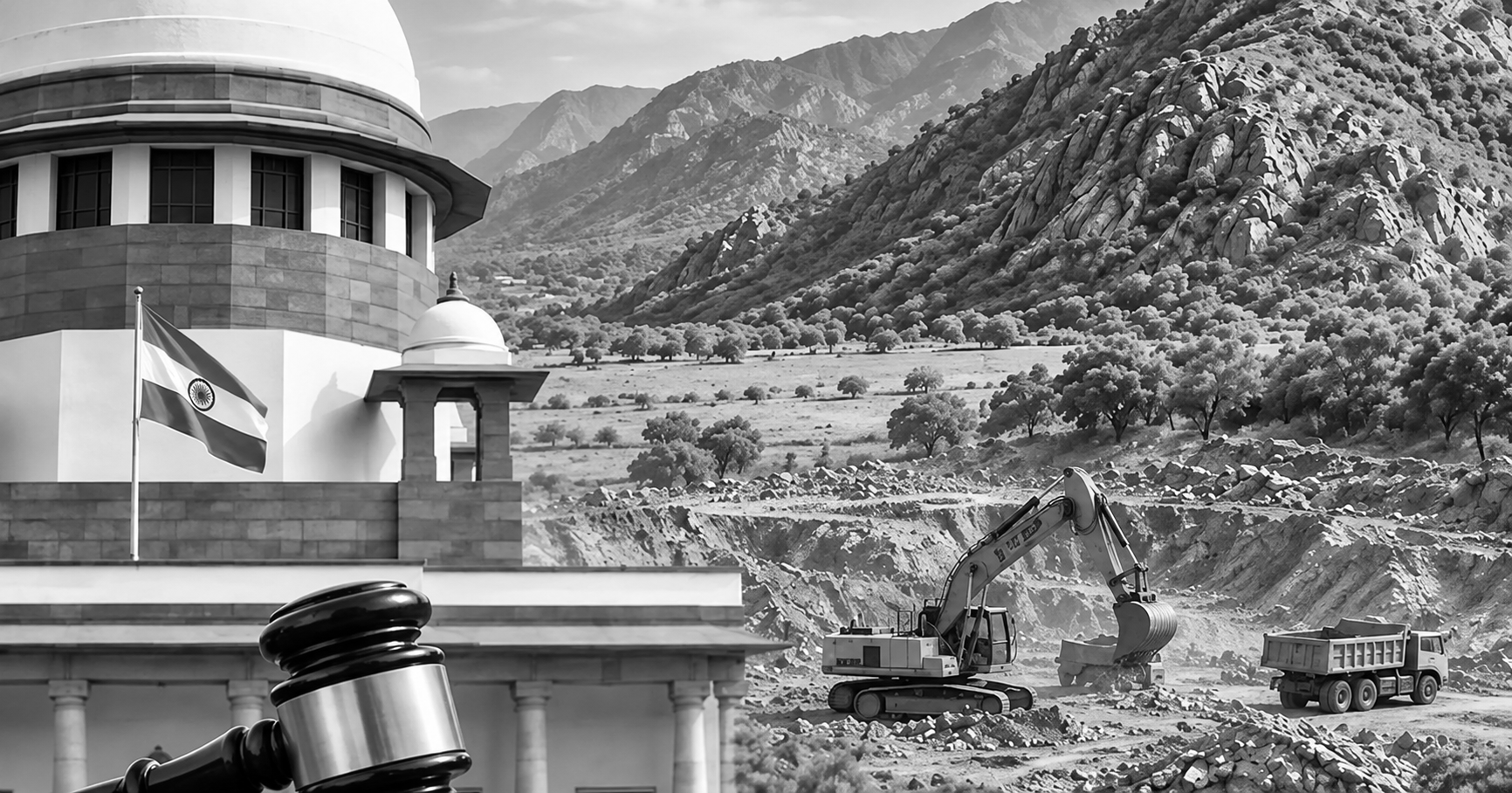
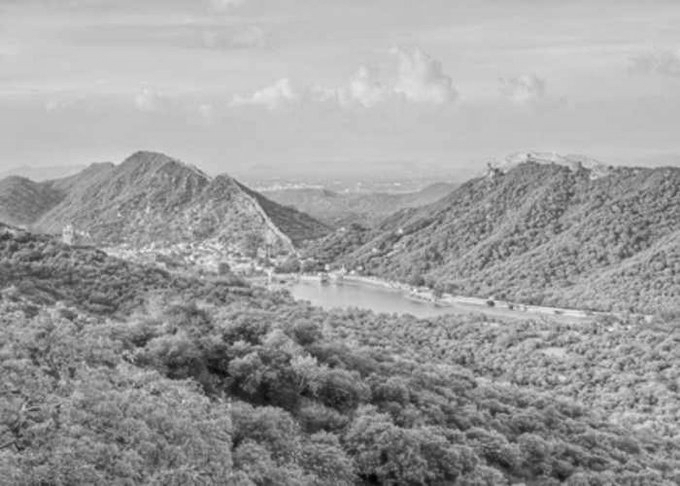
The dispute centres on how the Aravallis should be scientifically defined and demarcated. An earlier framework used a 100-metre elevation threshold to identify Aravalli Hills and a 500-metre proximity criterion to identify ranges. The Supreme Court has questioned whether these criteria could exclude ecologically connected hills, hillocks and intervening landscapes, potentially expanding areas technically classified as “non-Aravalli”.
The definition has major implications for mining, construction and environmental protection. A narrower boundary could create regulatory gaps and potentially expose ecologically connected areas to mining or other disruptive activities. A broader, landscape-based approach could strengthen protection of groundwater recharge zones, biodiversity and ecological corridors, but could also impose tighter restrictions on development and mineral extraction.
The HPC has therefore been tasked with examining geology, soil, biodiversity, flora and fauna, mineral resources and scientific geo-mapping, while developing a definition that is both scientifically defensible and enforceable.
The Supreme Court is scheduled to consider the matter again on December 2, after the committee submits its report. The outcome could shape the balance between development, mining and long-term conservation across the Aravalli landscape spanning Delhi, Haryana, Rajasthan and Gujarat.