
Seoul Says North Korea Fires Ballistic Missile Days After Reaffirming Its Status As A Nuclear-Armed State
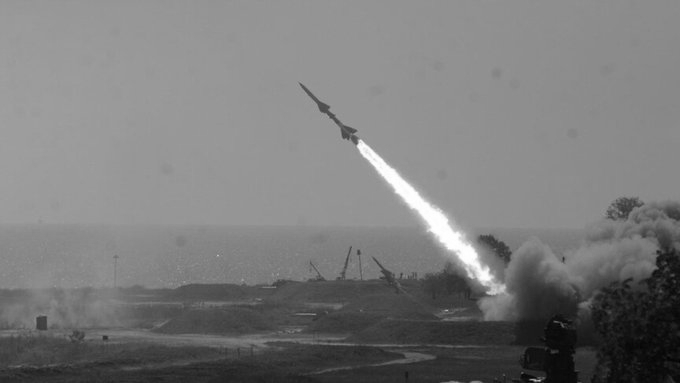
North Korea fired a ballistic missile and another projectile into the East Sea on Sunday, South Korea said, days after Pyongyang reaffirmed its status as a nuclear armed state and rejected international demands to halt its nuclear activities.
South Korea’s Joint Chiefs of Staff said the missile was launched from the Wonsan area on the eastern coast at around 3 pm local time. The ballistic missile travelled about 450 km before falling into the sea, according to the latest assessment. Japan also detected the launch and said the projectile had already fallen.
Seoul’s presidential office convened an emergency National Security Office meeting to assess the launch and its impact on national security. South Korea also increased surveillance and said it was closely sharing information with the United States and Japan. Seoul called on Pyongyang to immediately stop ballistic missile launches, describing the firing as a grave violation of UN Security Council resolutions.
The launch came just a day after North Korea rejected a resolution adopted by the International Atomic Energy Agency (IAEA) criticising its nuclear programme. Pyongyang said the resolution had no effect on its position as a nuclear weapons state and described its nuclear status as “irreversible”.
The latest missile firing also follows a series of weapons tests this month. On September 12, North Korea conducted a large joint firepower drill involving ballistic missiles, cruise missiles, attack drones and artillery. Pyongyang said the exercise demonstrated “huge destructive power”, while South Korea assessed that the drills were designed to improve the ability to overwhelm allied air defences.
The latest launch also comes amid rising tensions over US led military exercises in the region. Kim Yo Jong, the powerful sister of leader Kim Jong Un, recently criticised the Pacific Vanguard exercise and warned that North Korea would respond with measures it considered necessary to protect its security interests.
US President Donald Trump has meanwhile signalled interest in renewed engagement with Kim. In August, Trump said he expected to meet the North Korean leader this year and said Pyongyang possessed 57 nuclear weapons. South Korea’s defence minister, however, has put the estimated arsenal at 80 to 120 weapons, highlighting the uncertainty surrounding the size of North Korea’s nuclear stockpile.