
Seven Dead in Sri Lanka as Relentless Rains Turn Villages Into Flood Zones, Mudslides Strike
Sri Lanka is battling a fresh natural disaster as heavy rains triggered floods and mudslides, killing at least seven people in the country’s tea-growing mountainous regions and forcing authorities to shut several schools.
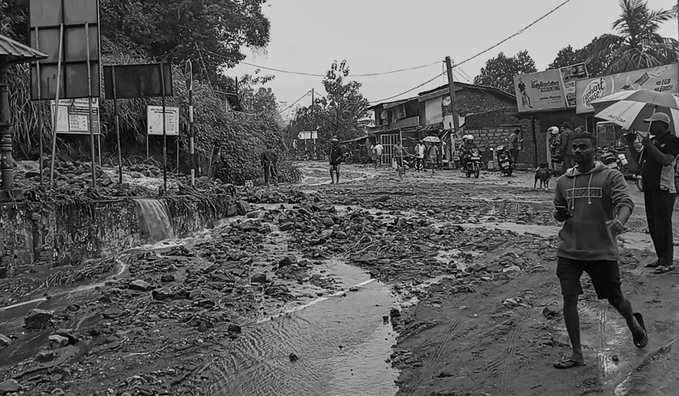
The central mountainous region, one of the worst-affected areas, witnessed widespread destruction after two days of intense rainfall flooded homes, agricultural fields and roads, according to the government’s Disaster Management Centre.
Five people were killed after being buried under mudslides that swept through two houses, while two others lost their lives in flooding incidents, officials said. At least three people were injured, while rescue operations continued across affected areas.
Disaster management officials said 291 houses were damaged and nearly 3,500 people were evacuated from vulnerable locations. Several roads in the central region were blocked after landslides sent huge rocks, mud and fallen electricity poles crashing onto key routes.
The Sri Lankan Navy and Army were deployed to assist rescue efforts, with personnel helping evacuate residents trapped inside flooded homes and areas threatened by further landslides.
Local television footage showed troops and civilians working together to rescue people stranded by rising floodwaters and mudflows. Authorities warned residents in high-risk areas to remain alert as more rainfall could worsen the situation.
The latest disaster comes as Sri Lanka continues recovering from the impact of Cyclone Ditwa, which devastated parts of the country in November, killing nearly 640 people, affecting around 20 lakh residents and causing estimated damages of USD 4.1 billion.
The central province, already among the worst-hit regions during the cyclone, is still struggling to rebuild damaged roads, railways and homes.
Floods and landslides remain recurring threats in Sri Lanka, especially during heavy monsoon periods. The country’s central hill areas are particularly vulnerable to mudslides, while low-lying regions often face severe flooding, forcing thousands to leave their homes every year.