
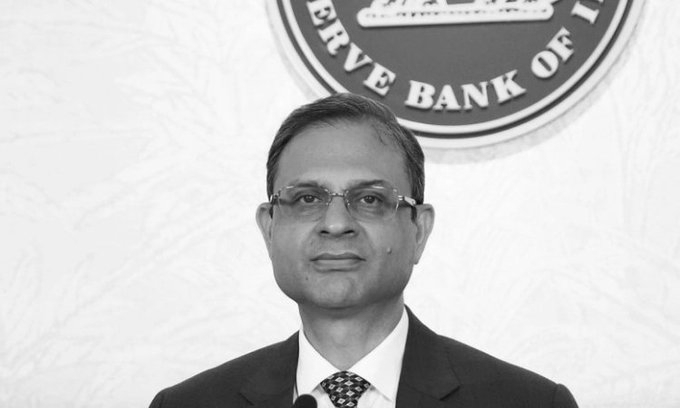
Small UPI Fee Unlikely To Dent Transaction Volumes, Says RBI Governor Sanjay Malhotra
A small merchant discount rate (MDR) on select high-value Unified Payments Interface (UPI) transactions is unlikely to materially affect transaction volumes, Reserve Bank of India Governor Sanjay Malhotra said on Wednesday, ahead of the new fee regime coming into effect on October 15.
The National Payments Corporation of India (NPCI) will impose a 0.4 per cent MDR on specified person-to-merchant (P2M) UPI transactions above Rs 2,000. The charge will be capped at Rs 300 for transactions of Rs 75,000 or more. Consumers will not have to pay the MDR directly.
Malhotra said he did not expect the small fee to have a meaningful impact on UPI usage, given the scale, convenience and widespread adoption of digital payments in India. His comments came during the RBI’s post-policy press conference on Wednesday.
The new framework does not apply to all UPI payments. Person-to-person transactions will remain free, while merchant payments up to Rs 2,000 will also continue without MDR. The government has said around 96 per cent of P2M transactions will remain unaffected.
Certain sectors will also receive special treatment. Payments to essential services such as railways, telecom and fuel will attract a flat Rs 5 charge, while capital-market transactions will carry an MDR of 0.02 per cent, subject to a Rs 300 cap.
The government has directed banks to ensure merchants do not pass the MDR on to customers, while UPI application providers have been barred from imposing separate platform or hidden charges. The Finance Ministry is also expected to monitor compliance after the October 15 rollout.
The move ends the zero-MDR structure for specified high-value UPI merchant payments that has been in place since 2020. The RBI has argued that an appropriate distribution of MDR revenue can support investment in payment infrastructure, technology and wider merchant acceptance.
The change has nevertheless drawn concerns from some merchants and MSMEs, particularly businesses operating on thin margins. Industry observers have also pointed out that, despite the new charge, UPI remains cheaper for merchants than many debit and credit card transactions.
Meanwhile, UPI usage continues to expand rapidly. Transactions reached around 145 billion in the first half of FY27, a 27 per cent increase from about 114 billion in the same period a year earlier, according to NPCI data cited in recent reports.
The Supreme Court has also declined to stay the new MDR framework while seeking responses from the RBI and NPCI, leaving the October 15 implementation on course.