
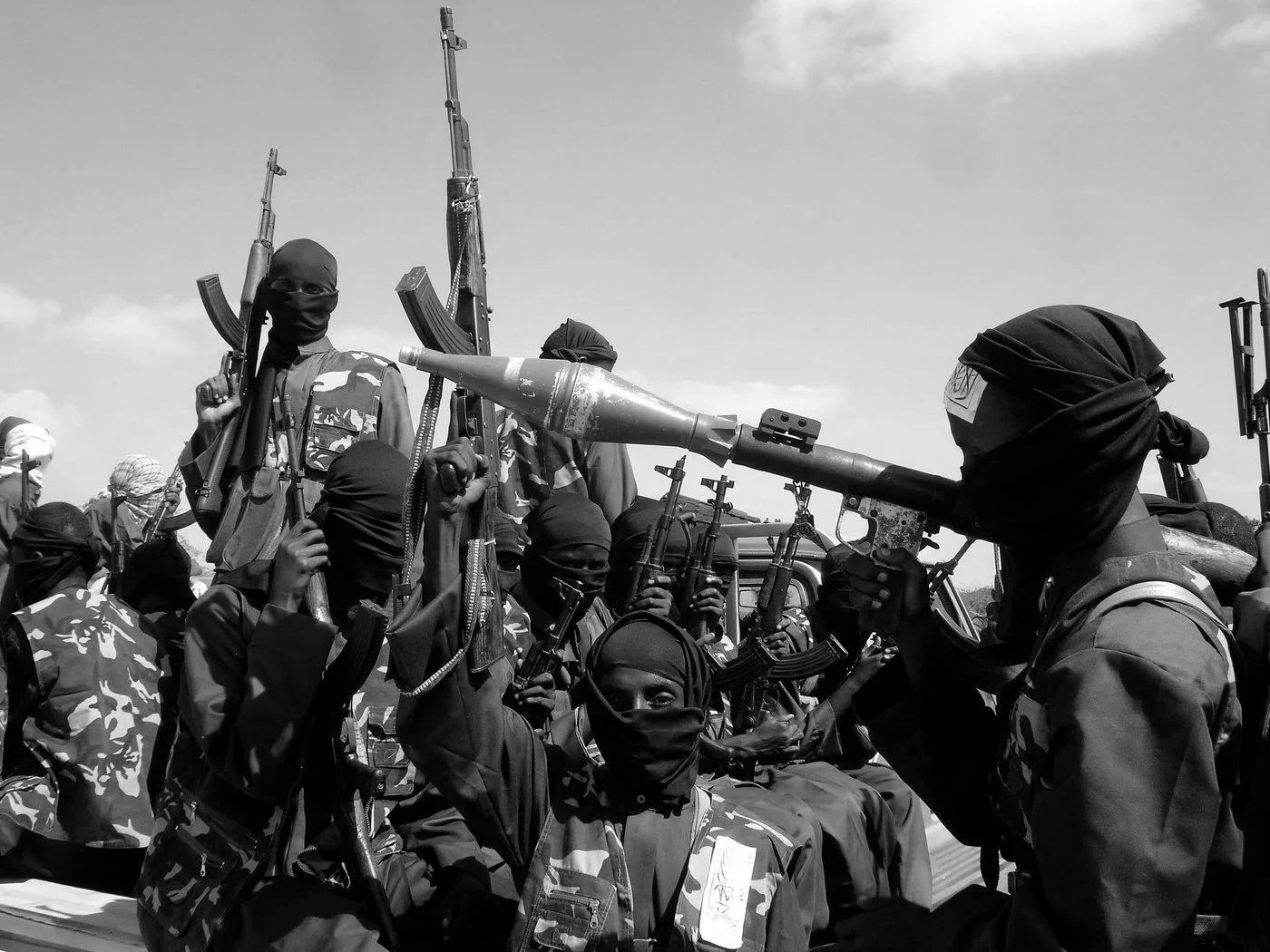
Somalia renews US-backed fight against al-Shabab, reclaims territory
U.S.-backed airstrikes, expanded ground operations, and growing regional cooperation have shifted momentum in Somalia’s long-running war against the al‑Qaida-linked militant group al‑Shabab . Somali authorities report gains in reclaiming territory , disrupting bomb-making networks , and targeting the group’s leadership , even as major threats persist.
Al‑Shabab, which emerged in the mid-2000s from the armed wing of the Islamic Courts Union, has carried out suicide bombings , mass attacks on military and civilian targets, and ambushes that have killed hundreds and displaced thousands. Major attacks, including the 2024 Lido Beach assault that killed dozens of civilians, highlight the group’s continued reach in urban centers. Its tactics have destabilized central and southern Somalia, disrupted governance, and hindered humanitarian aid. Analysts say al‑Shabab’s main motives include overthrowing Somalia’s federal government, establishing a strict Islamic Sharia state , resisting foreign military presence, expanding territorial control, and supporting global jihadist networks.
Somali forces have retaken areas in Lower Shabelle, Hiiraan, Middle Shabelle, and parts of Jubbaland. Defence Minister Omar Ali Abdi cited successes in Jilib Marka, Gendershe, Dhanaane, Taydaan, Yasooman, and Masjid Ali Gaduud. Joint operations by U.S.-trained Danab commandos , federal forces, and regional Daraawiish units in Kudhaa reportedly killed dozens of militants and seized vehicles. Access to contested areas remains limited, and al‑Shabab has not confirmed losses.
U.S. Africa Command continues precision air operations targeting al‑Shabab leaders, training camps, and weapons facilities in coordination with Somali forces. Expanded drone surveillance has helped locate previously inaccessible hideouts and supply routes, providing early warning near Mogadishu. Analysts say sustained airpower has tipped what was previously a balanced fight in favor of Somali forces.
The offensive coincides with the gradual drawdown of African Union peacekeepers , placing more responsibility on Somali forces amid political tensions, climate-induced droughts, and humanitarian pressures. Analysts warn that gains must be consolidated through governance and service delivery, as al‑Shabab has historically reasserted control in vacated areas.
While al‑Shabab operates mainly in central and southern Somalia, its insurgency has indirectly affected political dynamics. The group’s persistent violence has weakened Mogadishu’s authority and limited the federal government’s capacity to maintain security, which reinforces Somaliland’s longstanding aspirations for independence . The separatist bid predates al‑Shabab and is rooted in history and identity, though recent international recognition of Somaliland has shifted the debate toward geopolitical factors.
Despite reported gains, al‑Shabab remains one of Africa’s most resilient militant groups.