
South Africa Seeks Africa Wide Migration Talks After Anti Immigration Protests and Ceuta Crisis
South Africa is pushing for an Africa wide discussion on migration as it tries to ease tensions caused by anti immigration protests that have forced thousands of migrants to leave the country and strained ties with several African nations. The government says the focus should shift from blaming one country to finding solutions for the wider migration challenge across the continent.
International Relations Minister Ronald Lamola said African countries need to work together to address the main reasons people leave their homes, including conflict, poverty, unemployment and insecurity. He said the discussion should look at the "push and pull" factors driving irregular migration instead of treating South Africa as a stand alone case.
The issue is expected to be raised at the Southern African Development Community summit in Durban later this month. Leaders from Zimbabwe, Mozambique and Malawi are expected to attend. South Africa is also seeking a broader African Union debate after opposing Ghana's proposal to place only South Africa's migration tensions on the AU agenda for its October meeting.
The migration debate has intensified after weeks of anti immigration protests, with campaign groups demanding faster deportations, tighter border controls and stricter enforcement of immigration laws. Reports of attacks on migrants have drawn concern from neighboring countries, while many foreign nationals have chosen to return home fearing more violence.
The government says at least 68,000 people were repatriated or deported between June and July, most of them from Malawi, Zimbabwe and Mozambique. Authorities have also reduced the capacity of the temporary repatriation centre in Musina near the Zimbabwe border from 20,000 people to 1,500.
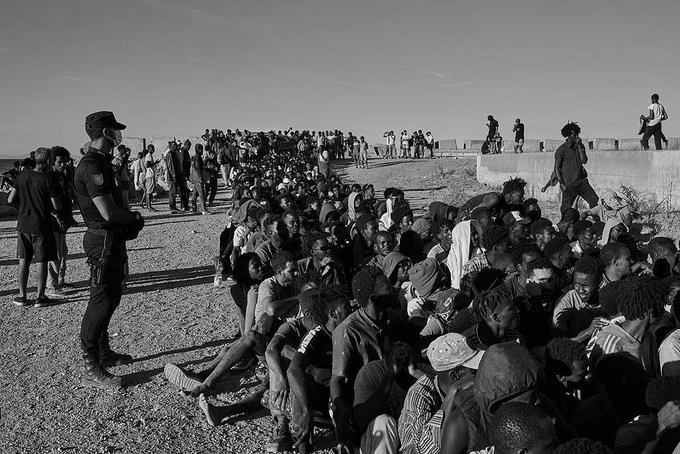
South Africa has linked its call for continent wide talks to the recent migrant tragedy in Spain's North African enclave of Ceuta, where more than 80 people died during a mass crossing from Morocco. Officials say both events show that migration is an Africa wide issue that needs a coordinated response rather than isolated national action.