
Southern Europe Battles Deadly Wildfires as Heat, Drought and Winds Intensify Crisis
French authorities on Thursday allowed 84,000 evacuees to return to their homes in southwest France, signaling that firefighters are beginning to gain control over a massive wildfire that has scorched 42,000 hectares an area four times the size of Paris. The decision follows improving weather conditions, with higher humidity, cooler temperatures and light rainfall offering relief after days of intense heat.
The returns cover nine localities in the Gironde region, where more than 220,000 people have been evacuated since the fires erupted last week. Officials reported a calm night with no further spread of the blaze, but 2,200 firefighters, supported by more than 20 aircraft and European emergency teams, remain on full alert to tackle hotspots and prevent flare-ups.
Humidity reached 80% overnight, while temperatures dropped from around 40°C to 27°C, prompting authorities to lift France's orange heatwave alert. Gironde prefect Sophie Brocas said the improved weather could pave the way for residents and businesses to gradually return to normal if conditions remain favourable.
Investigators believe the wildfire may have been accidentally triggered during brush-clearing work near a high-voltage power line, although officials said the operation complied with existing safety regulations.
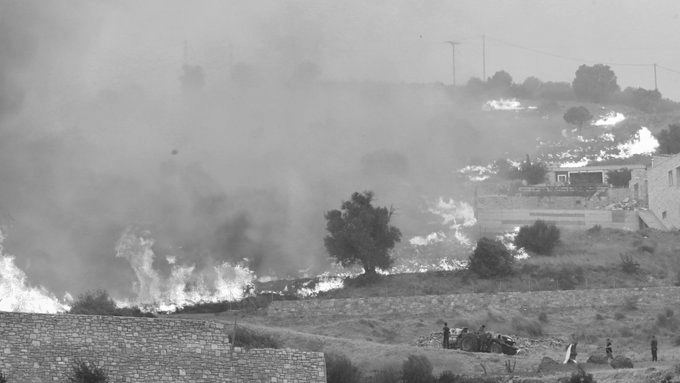
The Gironde blaze is part of a broader wildfire crisis across Southern Europe, fueled by extreme heat, prolonged drought and strong winds. In Greece, three firefighters were killed while battling separate wildfires on Crete and in the Peloponnese, underscoring the growing human cost of the disaster. Meanwhile, Türkiye continued fighting multiple forest fires in western provinces, including Muğla and Antalya, while Spain allowed tens of thousands of evacuees to return home as conditions improved.
At the peak of the emergency, around 330,000 people were displaced across France and Spain. The crisis highlights the growing threat of wildfires in Southern Europe and reinforces the need for climate-resilient disaster management, stronger forest management, improved early-warning systems and coordinated international firefighting efforts to address increasingly frequent and severe climate-driven disasters.