
SpaceX, Tesla to Invest USD 16.8 Billion in AI Chip ‘Terafab’ in Texas
SpaceX and Tesla are set to invest USD 16.8 billion in a major semiconductor manufacturing complex in Texas, as Elon Musk’s companies move to secure advanced chips needed to support their rapidly expanding artificial intelligence operations.
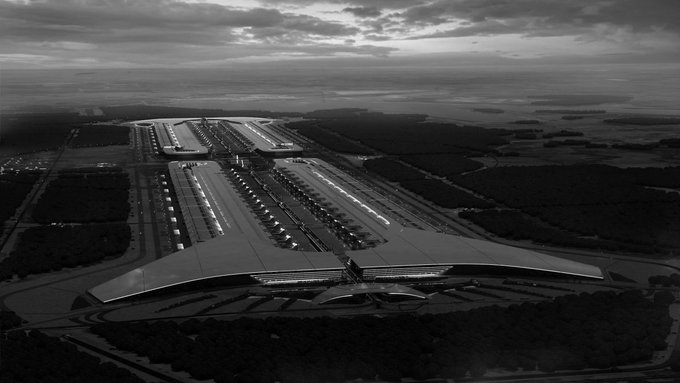
Dubbed “Terafab,” the facility will be developed in Grimes County and is planned as a vertically integrated semiconductor complex spanning up to 100 million square feet. According to SpaceX, the first phase of the project will create at least 3,000 high-paying jobs for engineers, technicians and plant operators.
The facility is expected to manufacture, package and test advanced logic and memory chips under one roof. The chips will be used across Musk’s businesses, including Tesla’s Optimus humanoid robots and Cybercabs, as well as high-performance processors intended for SpaceX’s planned orbital data centres.
SpaceX said the project is designed to address an anticipated requirement of more than one terawatt of computing power across Musk’s ventures. The large-scale investment also reflects the growing importance of securing domestic semiconductor production amid concerns over global chip supply and rising demand for AI computing infrastructure.
“Terafab” will form part of a broader effort to bring advanced chip manufacturing to the United States while strengthening the integration of AI technologies across Musk’s companies. The expansion comes after SpaceX acquired AI startup xAI earlier this year, further consolidating Musk’s AI-related operations.
Musk said the facility would bring cutting-edge manufacturing to the US, create thousands of jobs in Texas and enable the companies to produce AI chips at scale for applications on Earth and in space.
Texas Governor Greg Abbott has also backed the project, announcing a USD 30 million Texas Enterprise Fund performance grant. He said the investment would accelerate semiconductor production in the state and expand economic opportunities across the region.
The project is expected to grow through additional expansion phases, potentially taking the overall investment well beyond the initial USD 16.8 billion commitment.