
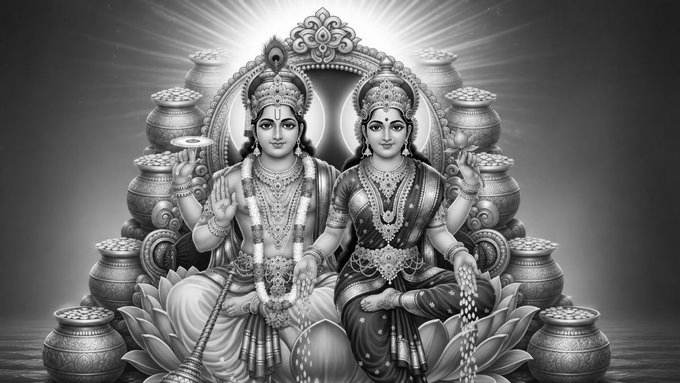
Sravana Putrada Ekadashi : The Sacred Story Behind The Day, Its Significance And Rituals
Sravana Putrada Ekadashi holds a special place in the Hindu religious calendar as a day dedicated to Lord Vishnu, devotion and prayers for family well-being. Observed during the Shukla Paksha, or waxing fortnight, of the month of Shravana, the sacred occasion is traditionally associated with the blessing of children, prosperity and spiritual purification. For devotees, the day is not merely about fasting but about faith, self-discipline and seeking divine grace.
In 2026, Sravana Putrada Ekadashi is observed on August 23, according to widely followed Hindu calendars. The Ekadashi Tithi begins at 2:00 AM on August 23 and ends at 4:18 AM on August 24. However, devotees following Vaishnava traditions observe the Ekadashi on August 24, with the fast-breaking observance falling on August 25. This difference is linked to variations in traditional Ekadashi calculation and observance rules.
The name Putrada itself carries the central meaning of the festival. ‘Putrada’ means ‘giver of children’, and the day has traditionally been observed by married couples praying for children and seeking blessings for their family's happiness and prosperity. Devotees also pray for the health, longevity, good character and success of their children.
Although the traditional belief places particular emphasis on progeny, the significance of the day is broader. Sravana Putrada Ekadashi is regarded as an opportunity for spiritual cleansing, devotion, family peace and inner discipline. People who observe the vrat believe that sincere prayers and devotion to Lord Vishnu can help remove negative influences and bring spiritual strength.
The observance is also known by names such as Pavitropana Ekadashi and Pavitra Ekadashi in certain traditions. The different names reflect the diverse religious practices associated with the festival and its importance among Vaishnava devotees.
The most fascinating part of Sravana Putrada Ekadashi is its traditional Vrat Katha, centred on a king whose greatest sorrow was not a lack of wealth or power, but the absence of a child.
According to the traditional story, King Mahijit ruled the kingdom of Mahishmati. He was considered a righteous and capable ruler who cared for his people. His kingdom was prosperous, and his subjects respected him. Yet, despite having everything that a king could desire, Mahijit remained deeply unhappy because he had no son.
The king's childlessness became a source of great anguish. He wondered why he had been denied the happiness of parenthood despite living a virtuous life and fulfilling his responsibilities as a ruler. His ministers and subjects were also concerned because the absence of an heir created uncertainty about the future of the kingdom.
Unable to find a solution, the king sought the guidance of learned sages. They examined his circumstances and, according to the traditional account, discovered that his childlessness was connected to actions from a previous birth.
The sages then told Mahijit about the power of Sravana Putrada Ekadashi. They advised him to observe the sacred fast with complete devotion and to worship Lord Vishnu. The king accepted their advice and prepared to undertake the vrat with sincerity.
The story takes an emotional turn when the king's subjects also joined him in the religious observance. Rather than treating the king's sorrow as a personal matter, they participated in the prayers and devotional practices.
On the sacred Ekadashi, the king and his people observed the prescribed fast, worshipped Lord Vishnu and offered prayers with faith. The spiritual merit of their observance was dedicated toward fulfilling the king's heartfelt wish.
The traditional story says that the devotion and merit generated through the Ekadashi observance ultimately brought the desired blessing. King Mahijit was blessed with a son, bringing immense happiness to the royal family and the people of the kingdom.
The story has since become central to the significance of Putrada Ekadashi. It conveys the belief that sincere devotion, collective prayer and spiritual discipline can help devotees overcome difficulties and find hope during challenging circumstances.
Sravana Putrada Ekadashi is primarily dedicated to Lord Vishnu, who is regarded in Hindu tradition as the preserver of the universe. Ekadashi itself has a particularly strong association with Vishnu worship, and devotees consider fasting on this day an important form of devotion.
During the observance, devotees may chant Vishnu mantras, recite the Vishnu Sahasranama, read sacred texts and listen to the Putrada Ekadashi story. Tulsi leaves, flowers, fruits, incense and lamps are commonly offered during worship.
The emphasis is not only on performing rituals but also on maintaining a peaceful and devotional state of mind. Devotees traditionally try to avoid anger, unnecessary arguments and worldly distractions and dedicate more time to prayer and spiritual reflection.
Fasting is one of the defining features of Ekadashi. Depending on their personal religious tradition and physical capacity, devotees may observe different forms of the fast.
Some undertake a Nirjala vrat, while others consume water, fruits, milk or foods permitted during Ekadashi fasting. Grains and certain other foods are traditionally avoided.
The purpose of the fast is understood as more than simply avoiding food. It represents self-control, discipline and devotion. By reducing attention to physical desires, devotees seek to concentrate their minds on prayer and spiritual activities.
At the same time, fasting practices vary between families and communities. People who cannot observe a strict fast may follow a simpler form of the vrat according to their circumstances.
The day generally begins with an early morning bath followed by a Sankalp, or solemn intention to observe the fast. Devotees then prepare for the worship of Lord Vishnu.
A typical puja may include lighting a lamp, offering flowers and Tulsi leaves, chanting Vishnu mantras and reciting devotional texts. Many devotees listen to or read the Putrada Ekadashi Vrat Katha, believing that hearing the story forms an important part of the observance.
Devotional singing, meditation, charity and helping those in need are also associated with the day. Some devotees visit Vishnu temples and participate in special prayers.
The fast is traditionally broken on Dwadashi, the 12th lunar day, during the prescribed Parana period. Devotees are expected to follow the appropriate timing rather than breaking the fast at any convenient hour.
For the general 2026 observance, the Parana is listed for August 24 between 1:41 PM and 4:16 PM, after Hari Vasara ends at 10:49 AM. Panchang timings can vary slightly depending on location and calculation method, so devotees generally follow their local calendar.
For those following the Vaishnava observance on August 24, the fast is broken on August 25 according to the applicable Parana period.
The appearance of two different dates can be confusing for devotees. The general observance falls on August 23, while many Vaishnava calendars designate August 24 as the fasting day.
This difference does not mean that one calendar is necessarily wrong. Different traditions use specific rules based on the Ekadashi Tithi, sunrise and other Panchang considerations. Therefore, devotees are advised to follow the calendar traditionally used by their family or religious institution.
While the traditional story focuses on the blessing of a child, Sravana Putrada Ekadashi has a much wider spiritual message. It is a day when devotees pray for family happiness, peace, prosperity and spiritual growth.
Parents may pray for their children's health and future. Couples may seek blessings for family expansion. Others may simply observe the Ekadashi as a day dedicated to Vishnu worship and personal spiritual discipline.
The festival therefore connects personal hopes with a larger message of faith. The story of King Mahijit reminds devotees that difficult circumstances need not extinguish hope and that sincere devotion remains an important part of Hindu spiritual tradition.
Sravana Putrada Ekadashi is one of two Putrada Ekadashis traditionally observed during the year. The other occurs during the Shukla Paksha of the month of Pausha.
Both are associated with prayers for children and family welfare, although their calendar dates and regional prominence differ. Sravana Putrada Ekadashi, occurring during the spiritually significant month of Shravana, has its own distinctive place in Hindu devotional practice.
Ultimately, Sravana Putrada Ekadashi is a festival of faith, patience, devotion and family values. Its traditional promise of blessings for progeny is rooted in the story of King Mahijit, but its message extends to anyone seeking peace and spiritual strength.
The observance encourages devotees to step away from everyday distractions, practise self-restraint, remember Lord Vishnu and dedicate their prayers to the welfare of their loved ones.
As devotees prepare to observe Sravana Putrada Ekadashi 2026 on August 23, the ancient story of King Mahijit continues to give the festival its emotional and spiritual character. For many, the day is an expression of hope—the hope for children, the hope for family happiness and, above all, the hope that sincere faith and devotion can bring strength through life's uncertainties.