
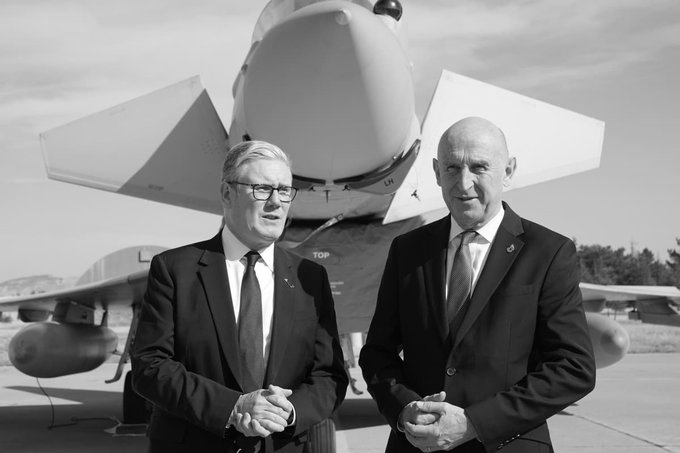
Starmer Vows to Fight On as Defence Spending Revolt Deepens UK Political Crisis
British Prime Minister Keir Starmer has insisted he will remain in office and contest any leadership challenge after the resignation of Defence Secretary John Healey triggered the gravest political crisis of his premiership.
Healey quit on June 11 following a months-long dispute over military spending, arguing that the government's proposed Defence Investment Plan falls short of what is needed to protect Britain amid mounting global threats. He warned that the UK's planned rise in defence spending to about 2.68 per cent of GDP by 2030 is inadequate and called for spending to reach 3 per cent by the end of the decade. He cited intelligence assessments suggesting Russia could attack a NATO member by 2030.
The crisis deepened when Armed Forces Minister Al Carns resigned shortly afterwards, saying the government's plans were not transformative enough and urging greater investment in drones, artificial intelligence, data capabilities and uncrewed systems.
Starmer quickly appointed Dan Jarvis as the new Defence Secretary. A former Army officer and security minister, Jarvis moved swiftly to reassure military leaders and opened a major drone-testing facility, signalling the government's focus on defence innovation.
The dispute comes at a sensitive time, with Britain preparing for key NATO discussions and continuing its support for Ukraine . Critics, including former senior military commanders, have warned that underfunding risks weakening Britain's military readiness and credibility within the alliance. Reports of an estimated £18 billion future funding gap have intensified the debate.
Healey's departure is particularly damaging because he was regarded as one of Starmer's closest allies. The resignation has fuelled speculation about possible leadership contenders, including Andy Burnham and Wes Streeting.
Despite the turmoil, Starmer remains defiant, insisting that national security is his government's top priority and rejecting calls for a leadership election , arguing that political instability would come at a dangerous moment for Britain and Europe.