
State of Emergency Imposed in Bolivia Over Protests, Food and Fuel Disruptions
Bolivian President Rodrigo Paz has declared a 90-day state of emergency to tackle nationwide road blockades that have disrupted fuel and food supplies , isolated major cities, and intensified the country's political crisis.
The move follows more than five weeks of protests demanding Paz's resignation over austerity measures , including the removal of long-standing fuel subsidies. Protesters have also cited rising inflation and economic hardship.
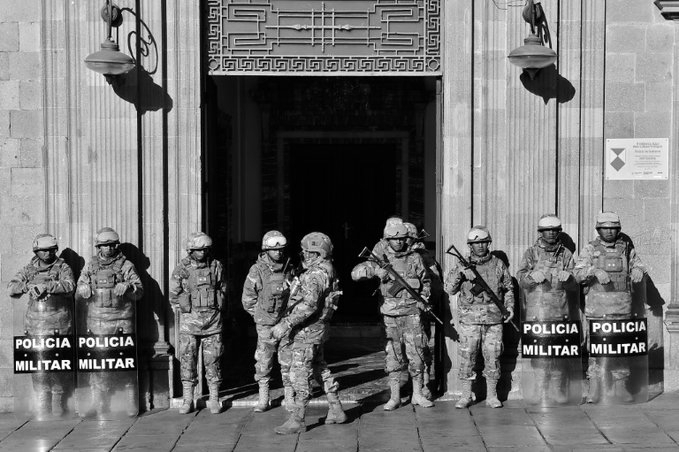
In a televised address, Paz said the emergency would allow the military to assist police in reopening blocked roads, restoring transportation, and ensuring the delivery of essential supplies. He stressed that the measure was intended to "give people back their freedom" and would not suspend constitutional rights.
Road blockades have cut off access to La Paz and other urban centres , causing shortages of fuel, food, medical oxygen and other necessities. Authorities say transportation disruptions have prevented patients from reaching hospitals, contributing to multiple deaths linked to a lack of medical care.
The unrest has triggered violent clashes between protesters and security forces . Authorities reported 365 arrests and 37 injuries , while Bolivia's ombudsman's office and human rights groups said at least 17 people have died during the crisis.
The decree bans the blocking of streets and highways that disrupt transportation and supplies, and authorises the armed forces to support police in restoring order.
Paz, who took office in November after ending nearly two decades of rule by the Movement Toward Socialism (MAS) party, has pushed economic reforms aimed at stabilising Bolivia's finances. However, subsidy cuts and inflation have fuelled public anger.
The protests, led largely by Indigenous and rural groups, have gained support from former president Evo Morales , who has called for fresh elections, adding to the pressure on Paz's government.