







Strawberry Moon Dazzles Skies Worldwide, Lighting Up Famous Landmarks From New York To Delhi
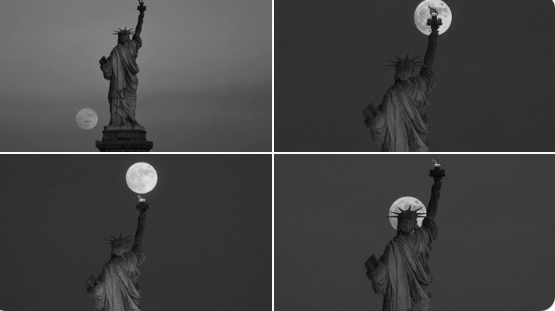
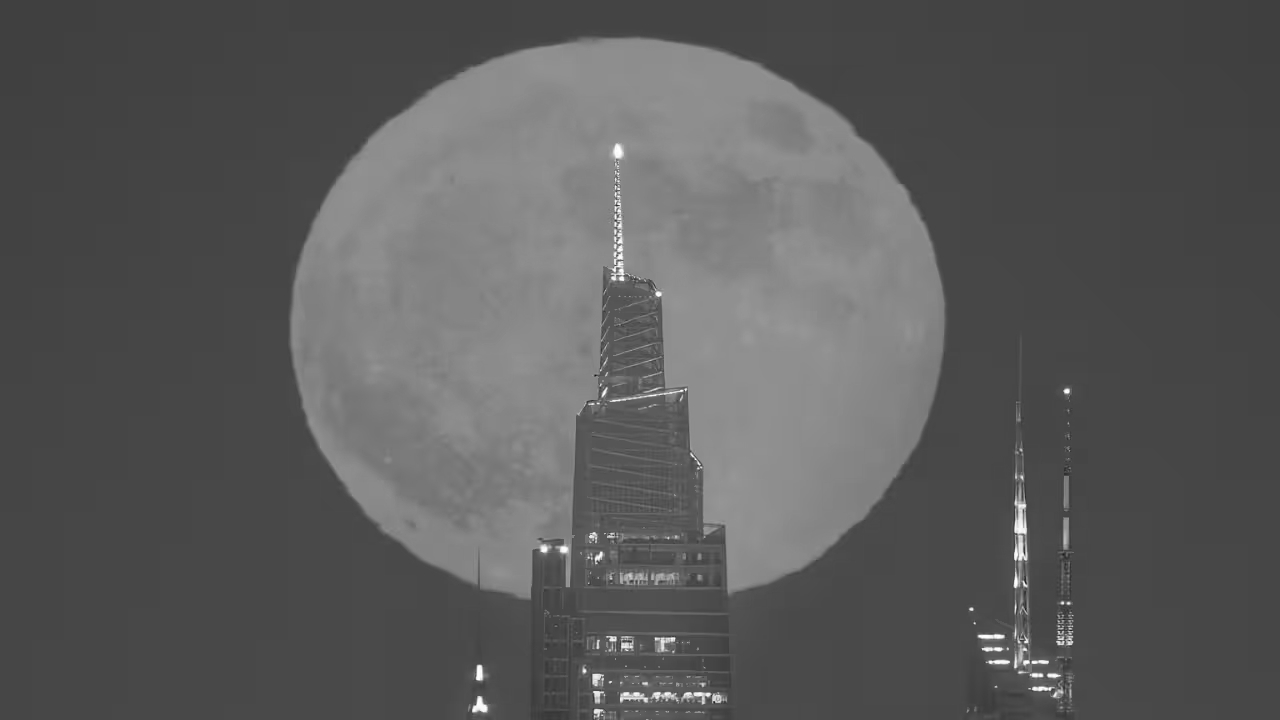
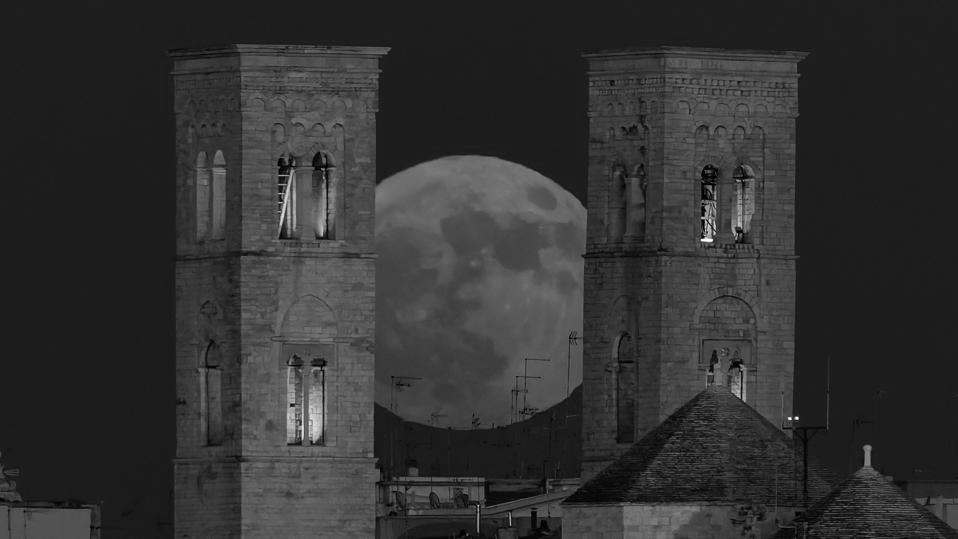
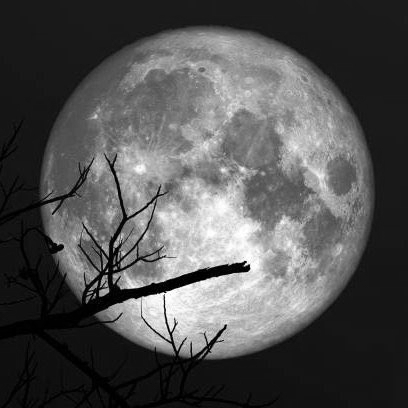
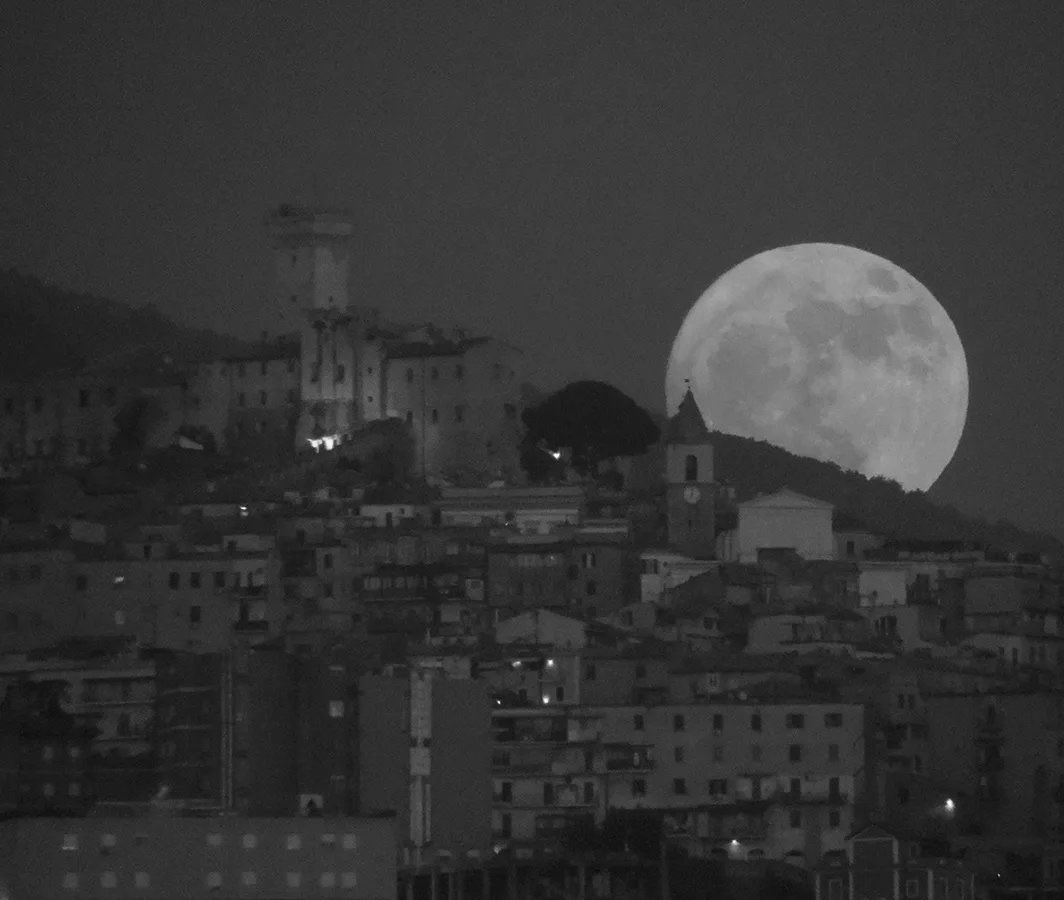
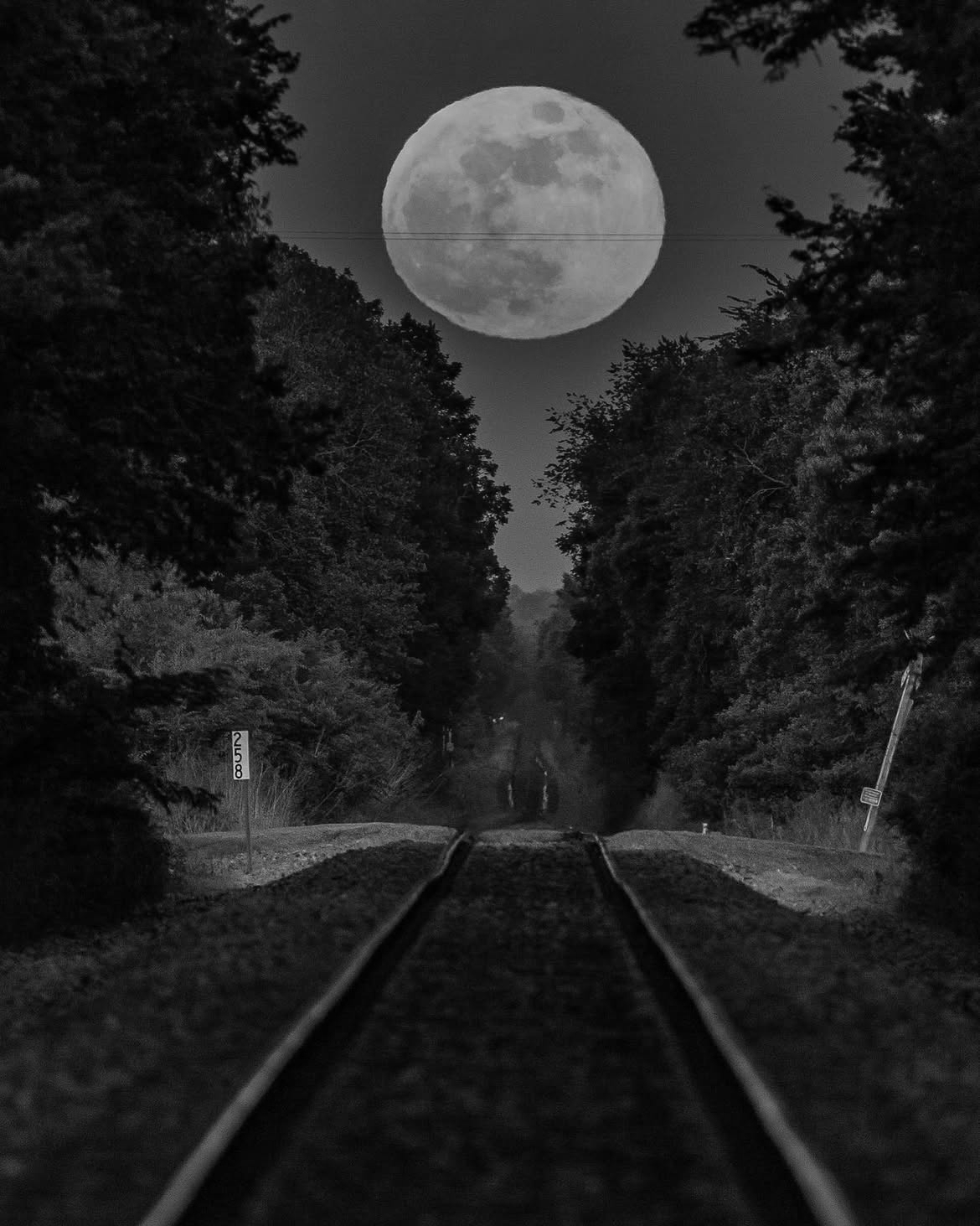
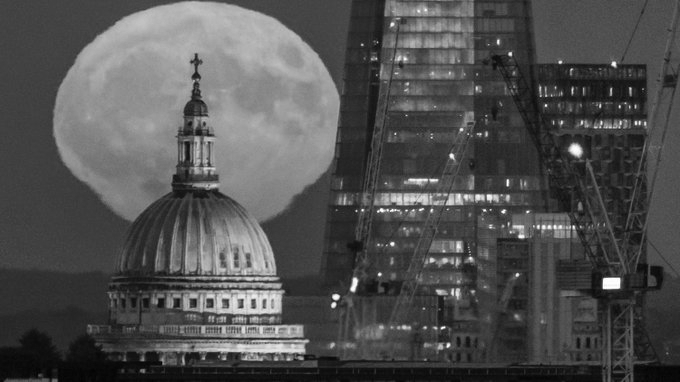
The Strawberry Moon , the first full moon of summer, lit up night skies across the globe on June 29 and 30, treating skywatchers to one of the most striking lunar displays of the year. Glowing low on the horizon with a warm orange tint , the moon created breathtaking scenes over iconic landmarks and coastlines, with stunning images rapidly going viral on social media from New York to Delhi .
This year's Strawberry Moon carried added significance as a micromoon , occurring roughly 36 hours after the moon reached its farthest point from Earth, known as apogee . At a distance of 252,442 miles, it appeared slightly smaller and dimmer than average, yet thanks to the well known moon illusion , it looked unusually large as it hovered near the horizon.
Because full moons always sit opposite the sun, and the sun was tracing its highest path around the recent summer solstice , the Strawberry Moon followed an especially shallow arc across the Northern Hemisphere sky, rising far to the southeast and staying low throughout the night. In the Southern Hemisphere , by contrast, it marked the year's highest full moon.
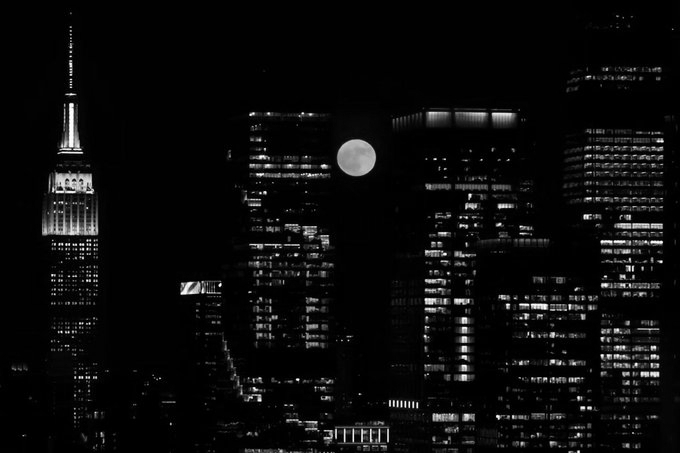
Photographers captured jaw dropping visuals worldwide. In New York City , the glowing orb rose dramatically behind the Empire State Building skyline. In Molfetta, Italy , it appeared framed behind the sailing ship Nave Italia in the historic port. Additional striking shots emerged from Istanbul , where the moon rose over the city's skyline, and from Qingzhou, China , where it bathed the landscape in soft golden light.
The name Strawberry Moon has no connection to the moon's actual colour. According to the Almanac , it instead traces back to Native American traditions marking the short seasonal window for harvesting wild strawberries in June, a name later adopted globally through popular almanacs.
This was also the seventh full moon of 2026 rather than the usual sixth, a result of May's rare Blue Moon , meaning the year will see 13 full moons in total. Skywatchers who missed the peak on June 29 still had a second chance to view the spectacle on June 30 as it slowly faded from the horizon.
The next full moon, the Buck Moon , is expected on July 29, setting the stage for a dramatic run of late summer celestial events, including a total solar eclipse visible across parts of Europe in August.