

Sunlight After Dark? US Startup Partners With India’s Skyroot for Space Mirror Mission
A California-based space technology start-up wants to bring sunlight to Earth after dark using giant mirrors in orbit, and it has turned to India’s Skyroot Aerospace to help make the ambitious idea a reality.
Reflect Orbital has signed a contract with the Hyderabad-based company for two launches using its Vikram rockets, opening a new chapter in the commercial use of space technology.
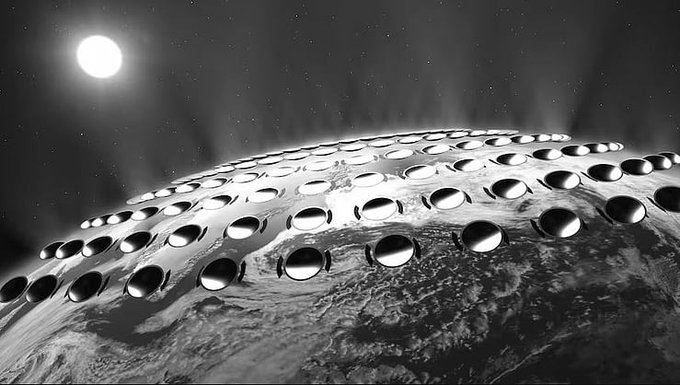
The concept is similar to using a mirror to reflect sunlight into a dark room. Reflect Orbital plans to deploy satellites fitted with large reflective mirrors that would capture sunlight in space and redirect it towards selected locations on Earth after sunset. The company aims to illuminate an area about five kilometres wide, with adjustable brightness and the ability to switch off the light when required.
The proposed service could help illuminate disaster-hit areas during search-and-rescue operations, extend working hours at remote industrial sites and provide additional sunlight to solar farms. The company also sees potential applications in defence operations and public events.
The first launch under the agreement will use Skyroot’s Vikram-1 rocket, while the second will use its in-development Vikram-1U, which features additional first-stage boosters and improved performance.
Reflect Orbital received approval from the US Federal Communications Commission (FCC) in July to construct, launch and operate a demonstration satellite. Chief executive and co-founder Ben Nowack said the company would continue working with astronomers, local communities and regulators as it seeks to expand the project.
Skyroot chief executive Pawan Chandana welcomed the partnership, describing it as an innovative application of space technology.
However, the proposal has sparked environmental concerns. Organisations have urged the FCC to withdraw its approval, warning that artificial illumination at night could disturb wildlife, interfere with astronomical observations and disrupt human sleep-wake cycles.
The idea has a precedent. In 1993, Russian scientists deployed a 65-foot mirror into orbit during the Znamya experiment, successfully reflecting sunlight towards Earth. The programme was later abandoned because of funding constraints.
Reflect Orbital’s commercial ambitions now face a crucial test: whether the promise of on-demand illumination can be realised without unacceptable environmental and scientific consequences.