
Tamil Nadu Assembly Passes Unanimous Resolution on Fair Tax Devolution
The Tamil Nadu Legislative Assembly on Friday unanimously adopted a resolution urging the Union government to ensure fair tax devolution to the state in accordance with the Constitutional principles of fiscal federalism and cooperative federalism, underscoring the state's demand for a more equitable share of central tax revenues.
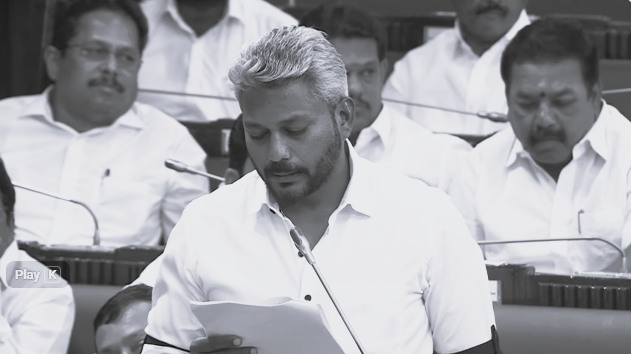
The resolution, tabled by Finance Minister N. Marie Wilson, sought appropriate devolution of taxes collected by the Centre, asserting that Tamil Nadu's significant contribution to the national economy should be reflected in the allocation of central tax revenues. Presenting the resolution, Wilson said fiscal federalism and cooperative federalism form the bedrock of India's constitutional framework and that every state deserves a fair share of central taxes based on both its tax contribution and development requirements.
The resolution stated that equitable tax devolution is crucial for states to effectively fulfil their constitutional responsibilities, particularly in sectors such as healthcare, education, infrastructure, agriculture, welfare programmes and local governance, where states bear the primary responsibility for public service delivery.
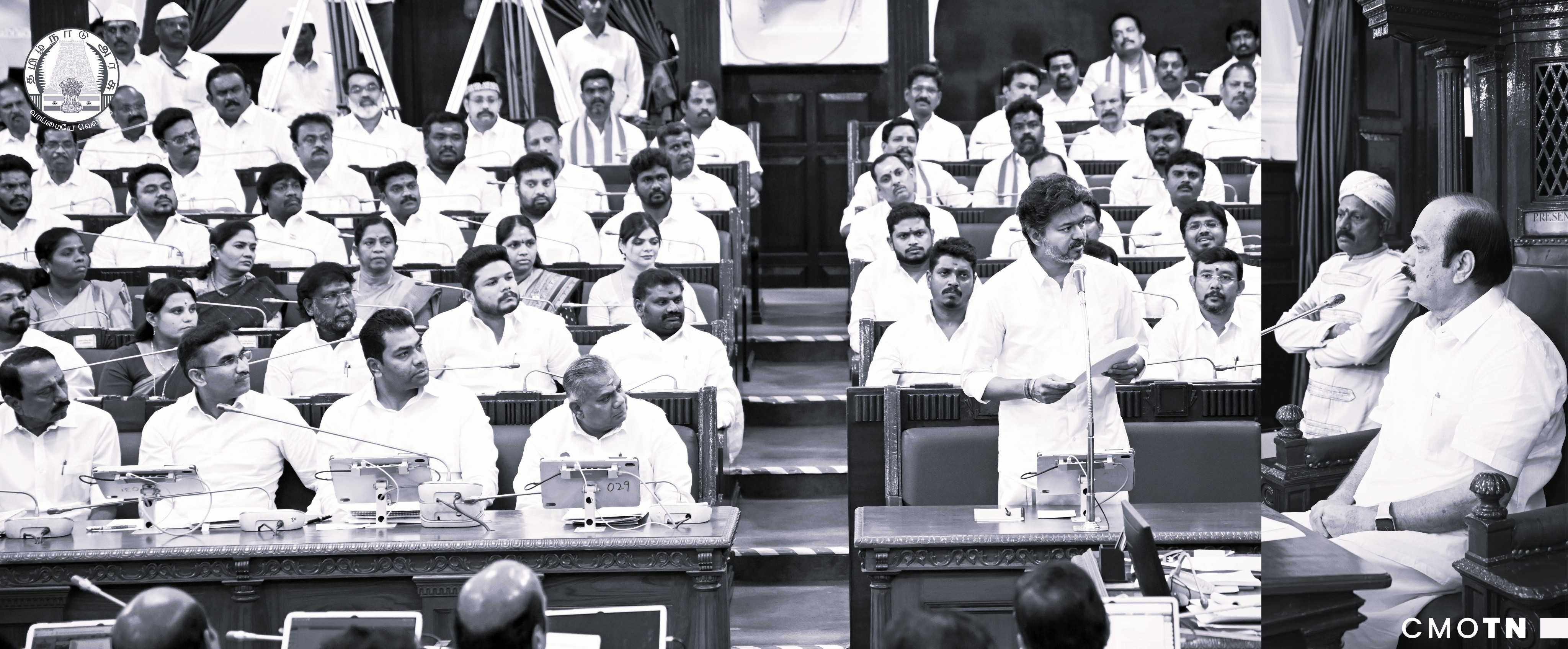
The Assembly witnessed rare political unanimity on the issue. DMK legislator Thangam Thenarasu moved an amendment supporting the resolution, while AIADMK General Secretary Edappadi K. Palaniswami also backed the demand. Speaker J.C.D. Prabhakar later announced that the resolution had been adopted unanimously, signalling broad political consensus despite differences between the ruling and opposition parties.
The demand revolves around tax devolution, the constitutionally mandated sharing of the Centre's divisible tax pool with states under Article 280 of the Constitution. The Finance Commission recommends both the percentage of central taxes to be shared and the formula for distributing them among states. Its recommendations are based on factors such as population, income distance, area, forest and ecology, demographic performance, and tax and fiscal effort, aiming to balance equity with developmental needs.
Tamil Nadu has consistently argued that states making substantial contributions to the national economy should receive a more equitable return from central tax collections. Like several southern states, it has expressed concerns that greater reliance on population-based criteria may disadvantage states that have achieved better fiscal management and demographic outcomes. The Union government, however, maintains that the Finance Commission's formula is designed to ensure balanced regional development while addressing the needs of less-developed states.
The resolution comes shortly after the state presented its 2026-27 Budget, which outlined an ambitious roadmap to transform Tamil Nadu into a $1.5-trillion economy by 2031. The state government believes that achieving this vision will require stronger financial support through a fairer share of central tax revenues.