
Tamil Nadu Plans AI-Powered Mining Control Centre, Fossil Park and Mine Tourism Hubs
Tamil Nadu is planning a major overhaul of its mineral management system, combining artificial intelligence, drone and satellite surveillance, a new public sector mineral corporation and geological heritage projects to strengthen regulation of mining and curb illegal extraction. Natural Resources, Minerals and Mines Minister T K Prabhu announced the measures in the Assembly on Tuesday, including a ₹2-crore mining control centre, a plant fossil park and plans to develop abandoned mines and quarries as tourism destinations.
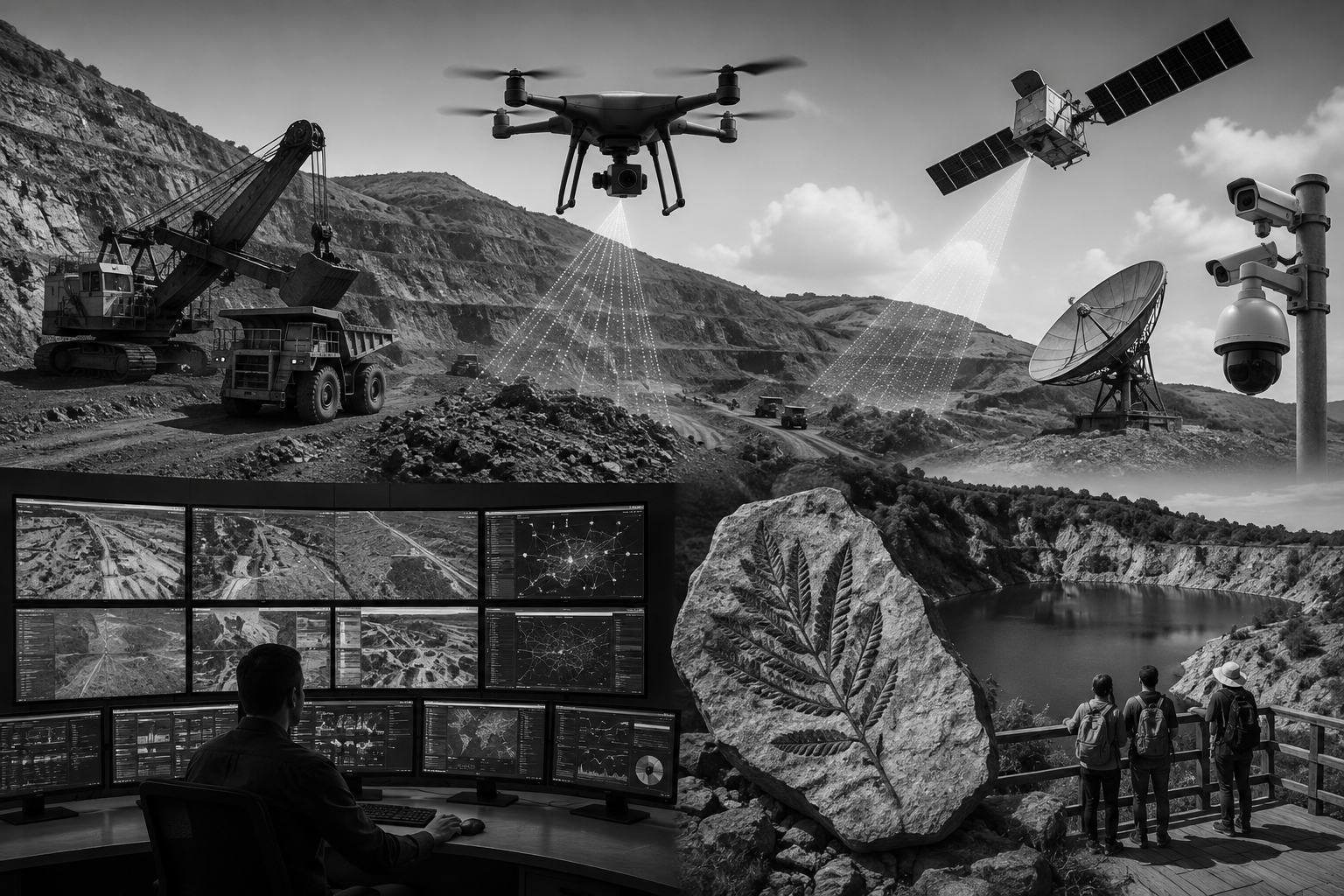
The proposed state-level Mining Control and Monitoring Centre will be established at the Directorate of Geology and Mining. It will use AI, Automatic Number Plate Recognition cameras, CCTV, weighbridges and live GPS tracking to monitor mining and mineral transportation in real time. A separate drone and satellite surveillance cell, being developed with the Tamil Nadu Unmanned Aerial Vehicles Corporation, will deploy LiDAR-equipped drones to measure excavation in both leased and non-leased areas and detect illegal mining.
The technology push follows an intensified crackdown on quarrying violations. Of 431 quarries inspected, authorities found violations at 155, temporarily suspended operations at 67 and initiated action against another 88. Officials also detected illegal extraction at 78 locations and seized 469 vehicles involved in unauthorised mineral transportation. Tamil Nadu has more than 2,000 licensed stone quarries.
Prabhu has also highlighted the environmental cost of uncontrolled extraction, saying several ancient mountains and hillocks, estimated to be around 3.2 billion years old, have disappeared or been severely damaged by excessive and illegal mining.
The government will simultaneously establish the Tamil Nadu Mineral Resources Development Corporation Limited under the Companies Act, 2013. The PSU will undertake mining, extraction, quality enhancement, imports, value addition, marketing and mineral sales, besides facilitating investment. An integrated electronic mineral management platform, a separate monitoring division and a grievance redressal centre are also planned.
The conservation agenda includes a Plant Fossil Park at Gunduperumbedu and Vellerai in Sriperumbudur taluk, Kancheepuram district, to preserve 60-crore-year-old Gondwana-period plant fossils and support research, student field studies and tourism.
Tamil Nadu will also prepare a Detailed Project Report to convert abandoned mines and stone quarries into mine tourism centres through public-private partnerships. The concept aligns with recent national efforts to repurpose mined land for tourism, ecological restoration and livelihoods. At Neyveli, reclaimed NLC India mine areas have already been developed into eco-tourism parks with water bodies, gardens and bird habitats.
Together, the measures signal a shift towards technology-led enforcement, stronger state participation in the mineral value chain and post-mining conservation. The government is also preparing new mining policies, including measures on mineral-waste recycling and access to stone for traditional artisans, indicating an attempt to balance mineral development with environmental protection, heritage conservation and local employment.