
Tankers Torched, Truce Broken: US Strikes Iran as Tehran Hits Back Across Kuwait, Bahrain
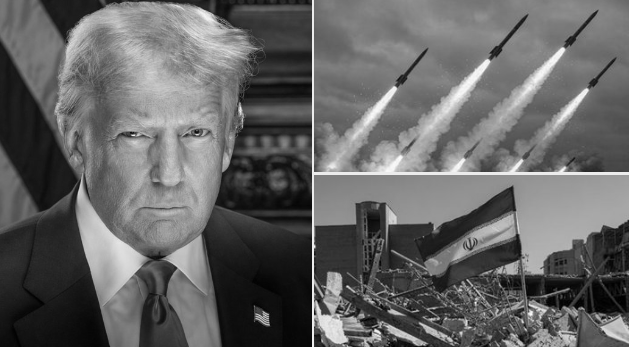
The Middle East plunged deeper into crisis on Wednesday as the United States launched fresh military strikes on Iran , prompting Tehran to retaliate with missile and drone attacks on American bases in Kuwait and Bahrain , threatening to unravel a fragile ceasefire.
The trigger was a fresh wave of tanker attacks in the Strait of Hormuz . On Tuesday, the Qatari-owned LNG tanker Al Rekayyat and the Saudi-flagged supertanker Wedyan were struck by projectiles, with Al Rekayyat suffering an engine-room fire that put it at risk of exploding. A third vessel was hit less than 24 hours later. Qatar and Iranian state media both pointed to Iranian responsibility, though Tehran made no official claim.
In response, Washington reimposed sanctions on Iran's oil exports, revoking the license that had let Tehran sell crude openly on international markets under last month's interim deal. A US official said the arrangement was " entirely performance-based ." US Central Command then struck Iranian air defense systems, coastal surveillance, surface-to-air missiles, anti-ship cruise missiles and drone sites on Qeshm Island , Bandar Abbas and Sirik .
Iran hit back swiftly. Its Revolutionary Guards claimed 85 US military sites in Bahrain and Kuwait were targeted, launching missiles and drones at the US Fifth Fleet's Bahrain headquarters and Ali Al Salem Air Base in Kuwait, and said it downed a US MQ-9 drone. Kuwait's military reported sirens and intercepted drones and missiles; Iranian media reported explosions in Sirik and Qeshm Island.
Oil markets reacted immediately: Brent crude jumped over 5% to above $76 a barrel in after-hours trading following the tanker attacks and license revocation, extending gains from a session that had already closed 3% higher. Gulf states, the UAE , Jordan , Oman and Qatar, condemned Iran's strikes as violations of sovereignty and international law while urging restraint. Qatar reported one of its citizens killed by shrapnel from earlier military operations near the strait.
At the heart of the standoff is a dispute over control: Iran insists it must govern shipping routes through Hormuz and eventually charge passage fees, a demand the US and Gulf Arab states reject outright. Analysts warn this pattern, attack, retaliation, brief lull, repeat, has recurred for months, and each round further erodes trust in the ceasefire signed weeks ago, with the region once again bracing for wider war.