
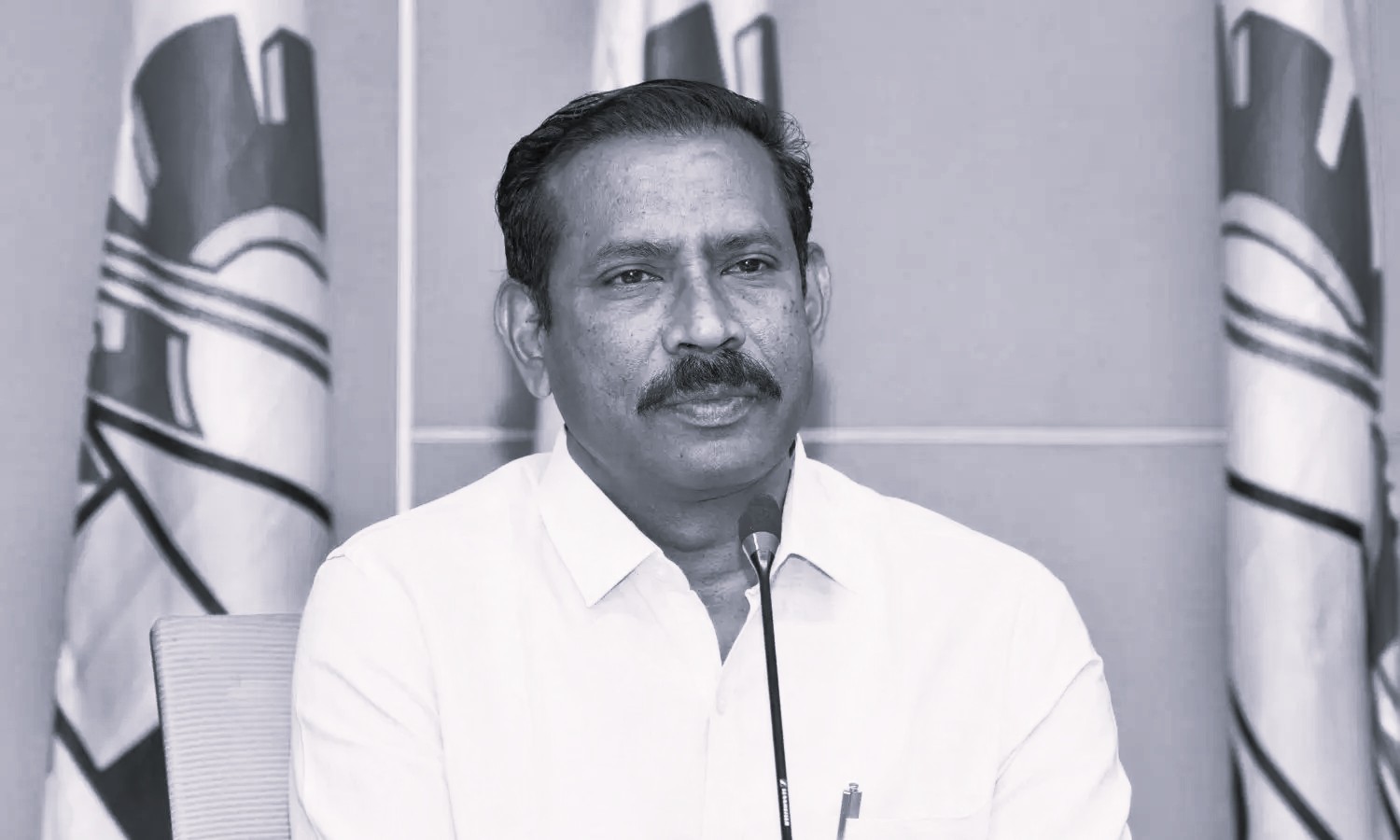
TDP Supports Amit Shah’s UCC Announcement, Pledges to Follow NDA Line
The Telugu Desam Party (TDP) has said it will stand by Union Home Minister Amit Shah’s announcement on the Uniform Civil Code (UCC), with party state president and Gajuwaka MLA P. Srinivasa Rao stating that the party, as an NDA ally, has a responsibility to follow the position taken by the Centre. The TDP, BJP and Jana Sena are currently part of the coalition government in Andhra Pradesh.
Srinivasa Rao made the remarks while speaking to the media on Tuesday, referring to Amit Shah’s recent statement that the UCC would be implemented in NDA-ruled states before the 2029 general elections. He said the TDP had taken note of the announcement and would remain committed to the NDA’s position.
Defending the proposed legislation, the TDP leader said the UCC could contribute to strengthening national unity and integration. He also argued that a common legal framework could reduce the scope for gender discrimination and promote greater equality.
The UCC has, however, triggered opposition from several political groups and sections of society. Critics have raised concerns that imposing a common set of personal laws could affect religious freedom and India’s cultural diversity. Srinivasa Rao acknowledged these concerns but maintained that the proposed framework could help bring greater uniformity while strengthening the country’s unity.
He reiterated that the TDP would move forward in accordance with the position expressed by the Union Home Minister, citing the party’s role as a key NDA partner.
Meanwhile, CPI(M) state secretary V. Srinivasa Rao criticised the BJP’s push for the UCC, alleging that the issue was being used to divert public attention from unemployment, youth concerns and Gen-Z protests.
Referring to recent student demonstrations at Jantar Mantar, he claimed that dissatisfaction among young people was increasing and accused the BJP of attempting to divide society along religious lines.
The CPI(M) leader also argued that the idea of an egalitarian civil code was discussed during the Constituent Assembly debates involving Dr. B.R. Ambedkar was different from the UCC currently being advocated by the BJP.
He said his party supports reforms to personal laws that ensure women’s rights and equality, while recognising differences in customs governing marriage, divorce, family matters and property rights.
The CPI(M), he added, would oppose any UCC that it believes could deepen religious divisions and would continue its fight for gender equality and women’s rights.