
Tea Industry Calls for Structural Reforms to Ensure Financial Sustainability
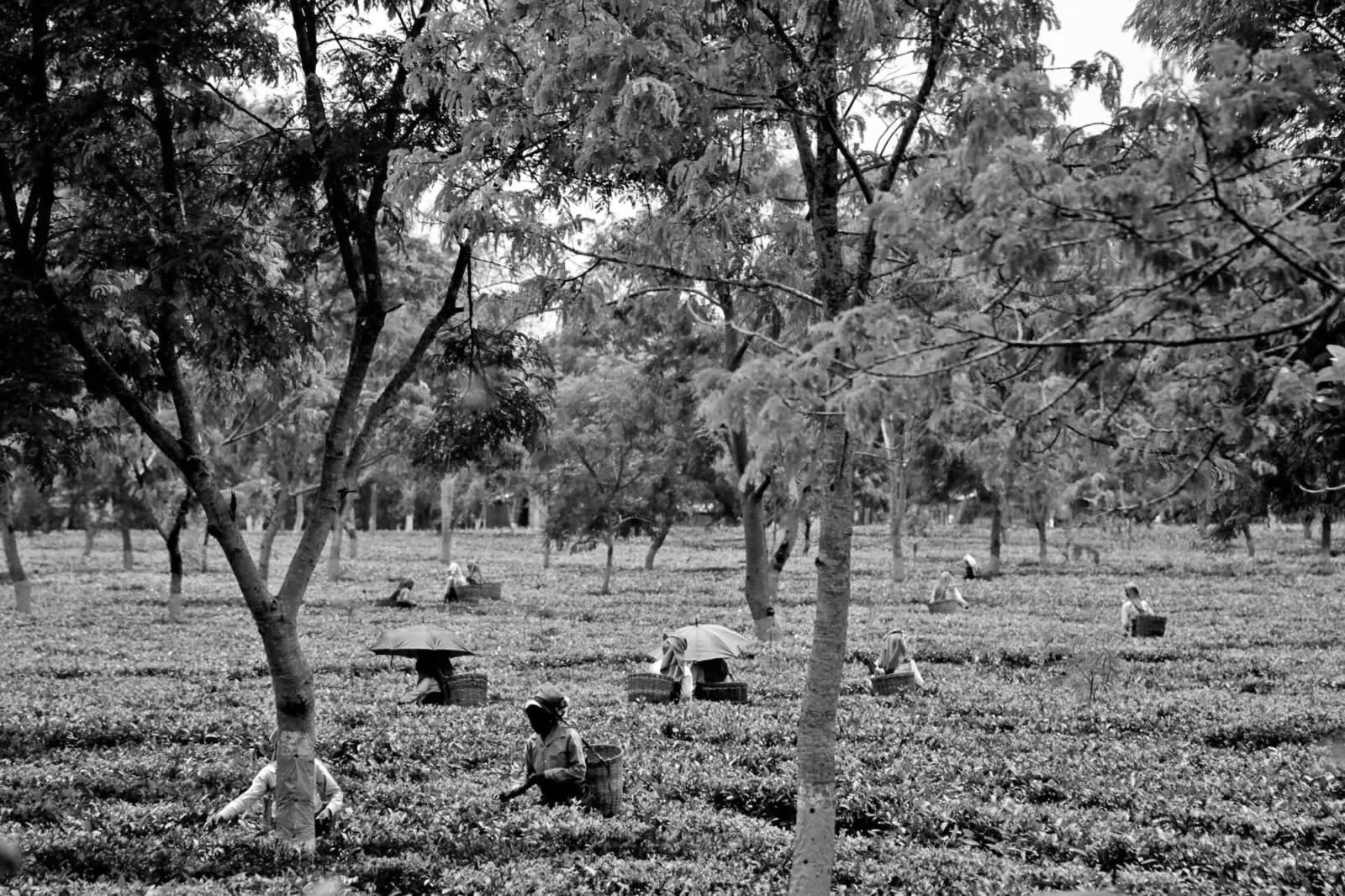
India’s tea industry, one of the country’s oldest agro-based sectors, remains a vital pillar of rural employment, export earnings and regional economic stability. India is the world’s second-largest tea producer, generating over 1.2–1.3 billion kg annually, and contributes about 10% of global tea exports . Tea cultivation is concentrated in Assam, West Bengal, Tamil Nadu and Kerala , which together account for nearly 97% of total output. The sector directly employs more than one million workers and supports millions more through small growers, processing units, logistics networks and trade. Domestic consumption absorbs nearly 80% of production , making India one of the world’s largest tea-consuming nations, while key export markets include Russia, Iran, the UAE, Iraq, the UK and the United States.
Tea production is highly labour-intensive and cost-sensitive, with wages and worker welfare accounting for roughly 55–60% of production costs . Other major expenses include fertilisers, pesticides, coal and fuel for processing, electricity, irrigation, machinery maintenance and transportation. Rising power tariffs and input inflation have significantly increased operational costs, while ageing tea bushes and replanting needs add long-term financial pressure.
The industry faces structural and environmental challenges that threaten profitability and sustainability . Rising input costs continue to squeeze margins, while climate change including erratic rainfall, rising temperatures and pest infestations is affecting yields and tea quality. Labour shortages due to migration and declining workforce participation have reduced productivity in several estates. Additionally, cheap tea imports and mislabelling of blended teas as Indian origin have raised concerns about price suppression and damage to India’s quality reputation in global markets.
The Government of India supports the sector through the Tea Board of India and policy initiatives aimed at improving productivity, sustainability and exports. Assistance is provided under development and promotion schemes for replanting, rejuvenation, irrigation and mechanisation, along with financial support for small growers. Export promotion measures include incentives for orthodox and specialty tea production, branding support and global marketing initiatives. Credit relief through interest subvention and improved access to working capital helps estates manage financial stress, while quality monitoring of imported tea protects domestic standards.
Despite persistent challenges, the industry has opportunities for growth through specialty teas , organic cultivation, value addition and tea tourism. Ensuring long-term sustainability will require balancing rising production costs with remunerative prices, improving labour productivity, adapting to climate risks and strengthening India’s brand presence in global markets.