
Telangana Records 14% Jump in Government Junior College Enrolment
Government junior colleges in Telangana have recorded a 14% increase in first-year Intermediate admissions for the 2026–27 academic year, signalling a growing preference among students and parents for public education as the state expands academic reforms, digital learning initiatives and industry partnerships.
According to the Telangana Board of Intermediate Education (TGBIE), a record 85,453 students have enrolled in the Intermediate First Year, compared with nearly 75,000 in the previous academic year. The latest intake has taken the combined enrolment in first and second-year government junior colleges to 1,64,730, reflecting one of the highest student strengths in the state's public Intermediate education system.
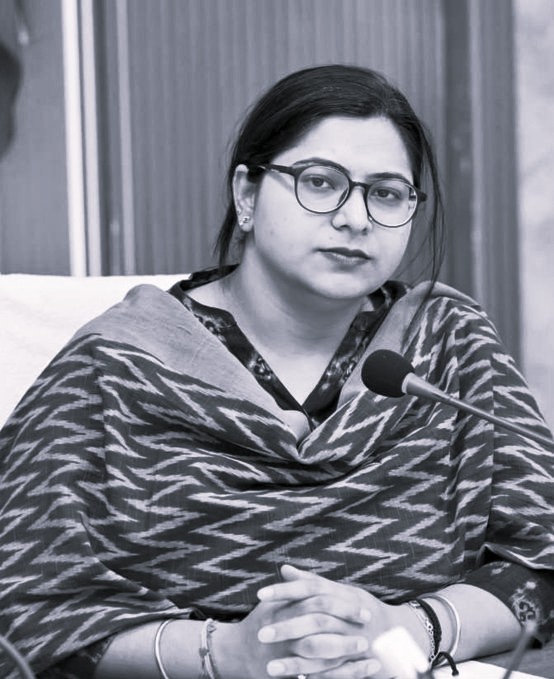
TGBIE Secretary Abhilash Abhinav, IAS, said the sharp rise in admissions demonstrates the growing confidence of students and parents in government institutions. He attributed the trend to the Telangana government's sustained efforts to improve the quality of education through curriculum reforms, upgraded infrastructure, technology-enabled classrooms, student welfare programmes and industry collaboration.
Under the leadership of Chief Minister A. Revanth Reddy, the state has focused on creating a more future-ready education system by modernising government junior colleges and strengthening career-oriented learning. As part of this initiative, the board has entered into strategic partnerships with IBM and Hetero Pharmaceuticals to provide students with skill development programmes, internships, apprenticeships and industry-specific training.
Officials said Hetero Pharmaceuticals has committed to offering employment opportunities to more than 300 Intermediate-qualified youth, while partnerships with various industries have already facilitated over 2,000 placements and apprenticeship opportunities, helping students transition more effectively from education to employment.
To improve academic standards, the first-year Intermediate syllabus has been revised in line with NCERT guidelines, and QR code-enabled digital textbooks have been introduced to provide students with easy access to supplementary learning resources. These reforms are aimed at improving learning outcomes while aligning state education with national standards.
The government has also strengthened infrastructure across junior colleges by allocating more than ₹20 crore for computer laboratories and ₹1.90 crore for the construction of toilets. Additional funds have been released to upgrade libraries, science laboratories, sports facilities and Mission LiFE Eco Clubs, creating a more conducive learning environment.
Meanwhile, the TGBIE recently organised a state-level orientation programme for District Intermediate Education Officers and principals of government junior colleges to ensure the effective implementation of Samagra Shiksha initiatives, financial management through the SNA-SPARSH portal, inclusive education measures and awareness of the POSH Act, 2013.