
Tesla Takes Flight, Roadster Steals the Spotlight
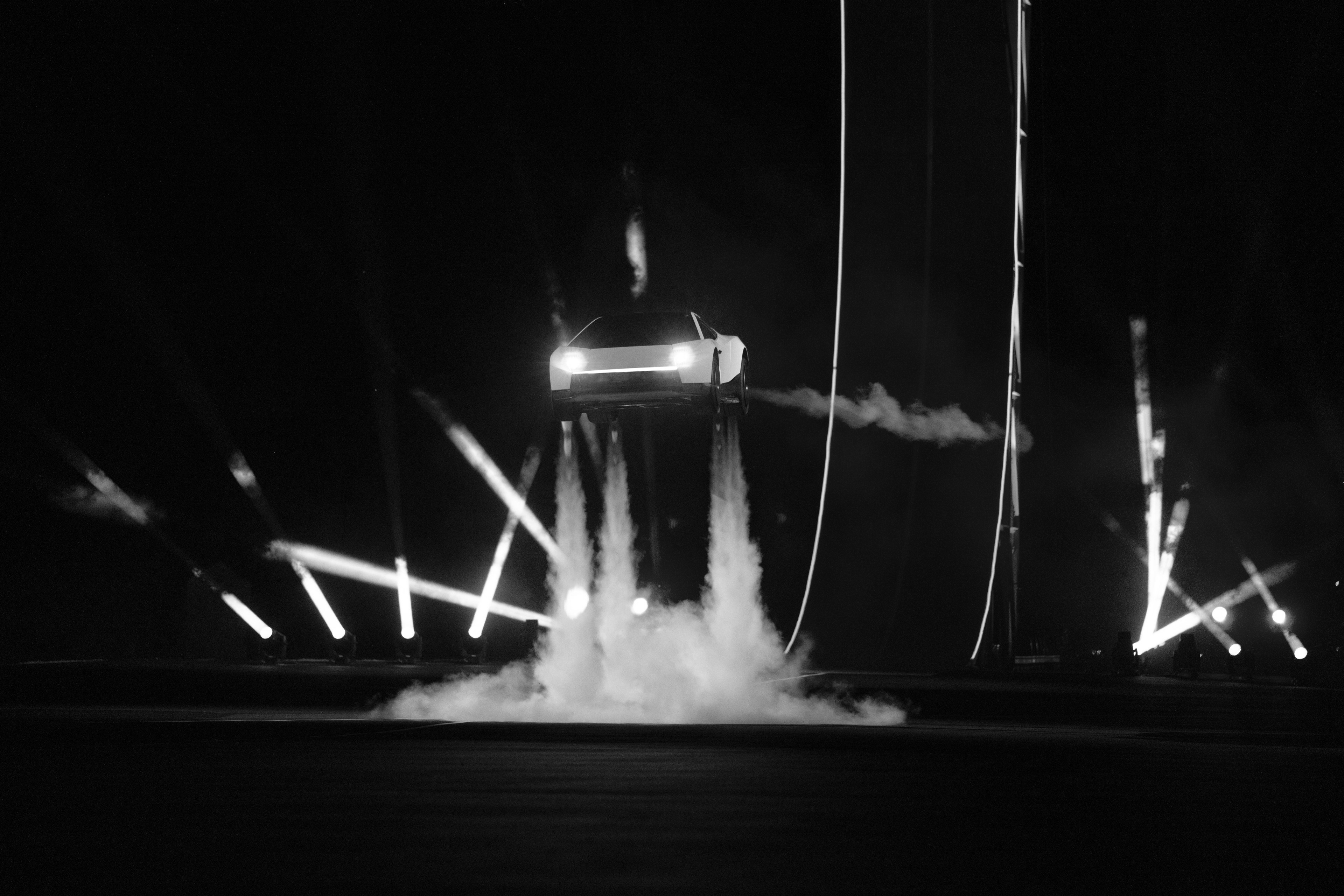
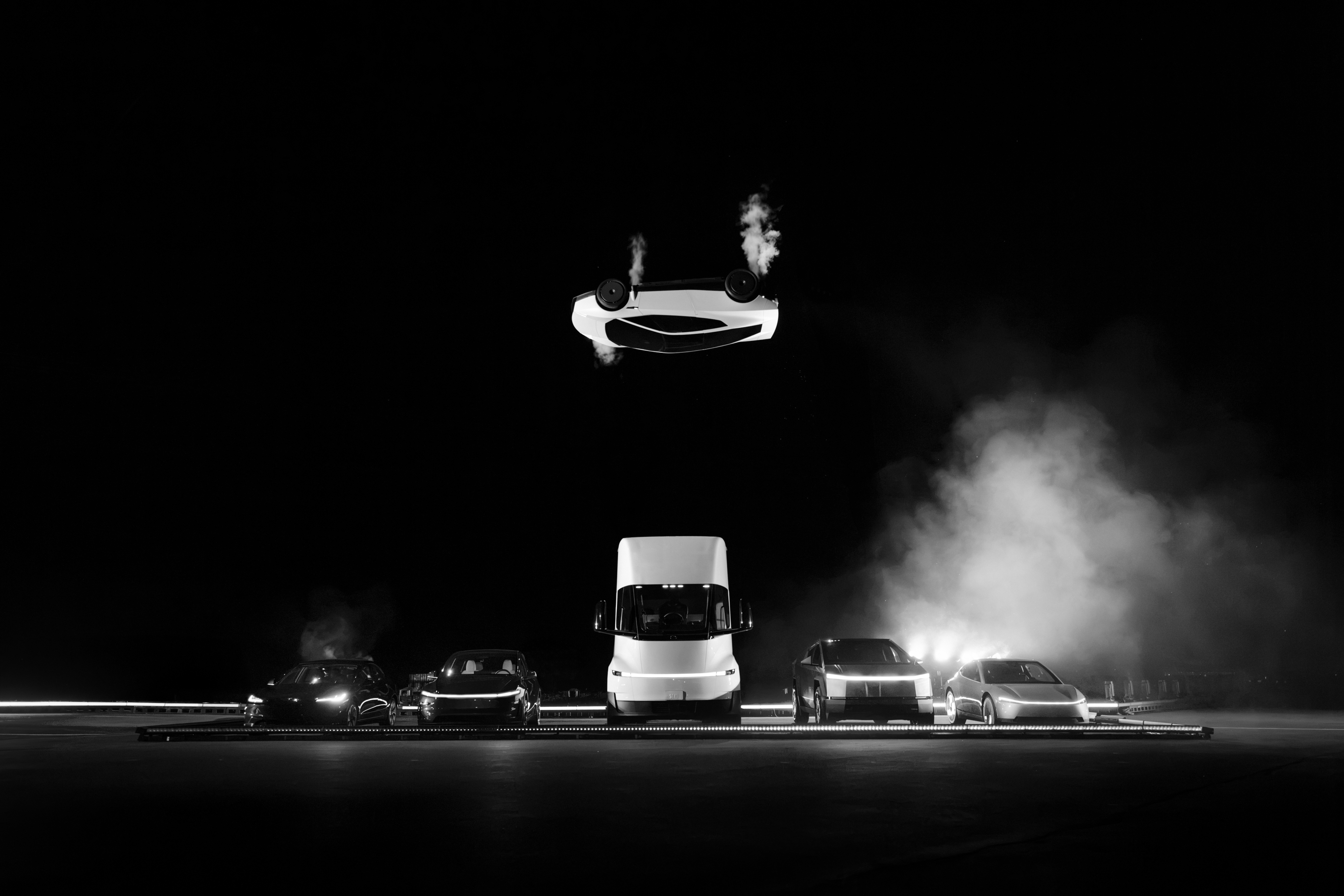
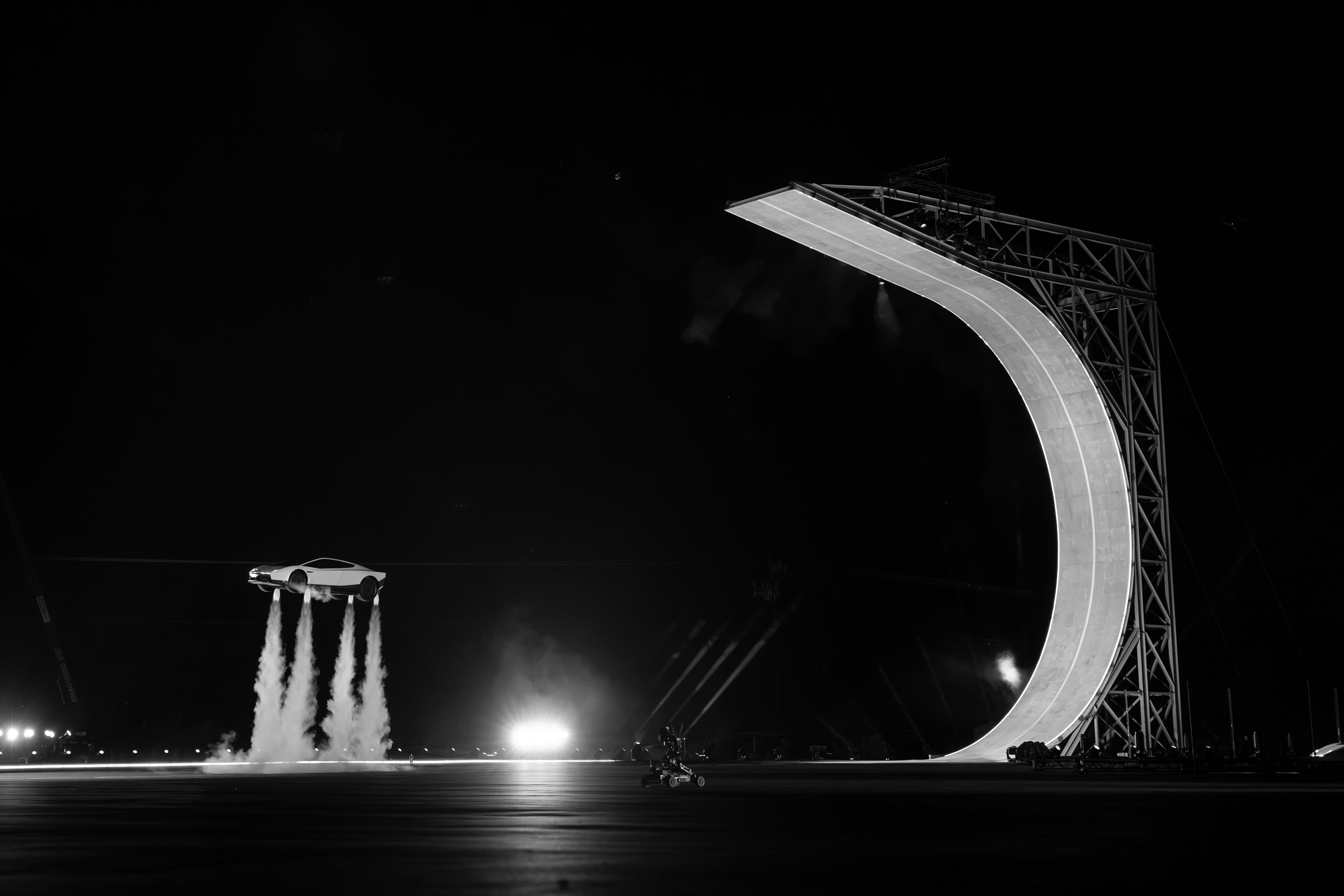
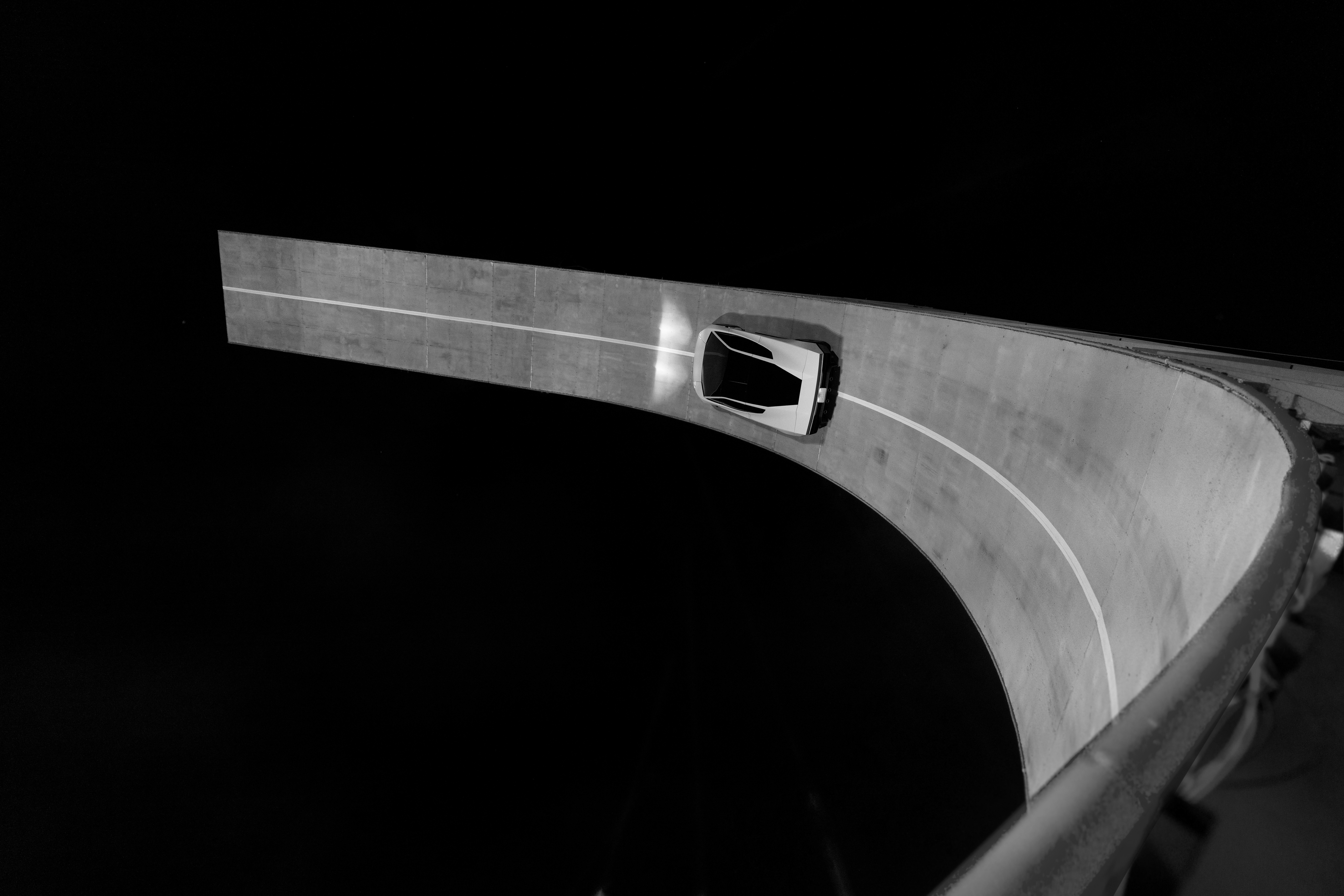
Tesla’s redesigned second-generation Roadster has attracted global attention after performing a dramatic aerial manoeuvre at a SpaceX test facility in McGregor, Texas, on October 15, 2026. The demonstration featured the electric sports car travelling upside down along a curved ramp, briefly lifting off, rotating in mid-air and landing on its wheels using rocket-inspired thrusters.
Tesla CEO Elon Musk shared a video of the demonstration on X, writing, “Turns out the future does have flying cars.”
The vehicle, developed with technology from SpaceX, also demonstrated its ability to jump over a Cybercab, Cybertruck, Tesla Semi, Model Y and Model 3. Tesla showcased an acceleration claim of 0–60 mph in less than one second, although the performance of a production vehicle remains to be established.
The demonstration used a suction system to keep the car attached to the curved ramp while travelling upside down. Once it left the ramp, its cold-gas thrusters helped it rotate and return to the ground. The vehicle was demonstrated without a driver, with safety precautions taken during the stunt.
According to Tesla vehicle engineering vice-president Lars Moravy, the system uses 10 thrusters connected to tanks containing approximately 600 litres of compressed air. Releasing the pressurised gas through multiple nozzles generates thrust, allowing the vehicle to perform brief aerial manoeuvres without conventional rocket fuel.
The second-generation Roadster was unveiled as a prototype in November 2017, with deliveries initially expected much earlier. After repeated delays, Tesla is now targeting production in 2028.
Tesla’s reservation options reportedly include Performance and Thrust versions, requiring deposits of $50,000 and $250,000, respectively. A third variant, called Rocket, is described as an invitation-only, single-seat model equipped with the full flight system.
Despite the spectacle, the demonstration does not establish that the Roadster can fly over long distances or operate as an aircraft. Its aerial capabilities, production specifications and regulatory status remain important questions. Tesla’s planned launch will determine how much of the technology shown at the event reaches the final vehicle.