
Third Phase Of PoK Polls: Sharif Party To Inherit PoK After ‘Enemies’ Turn Into ‘Patriots’
The third phase of elections in Pakistan occupied Kashmir (PoK) was held on Monday amid clashes, rigging allegations and security concerns, as Pakistan’s ruling Pakistan Muslim League Nawaz (PML-N) moved closer to taking control of a region where trust in Islamabad has been badly damaged by months of unrest.
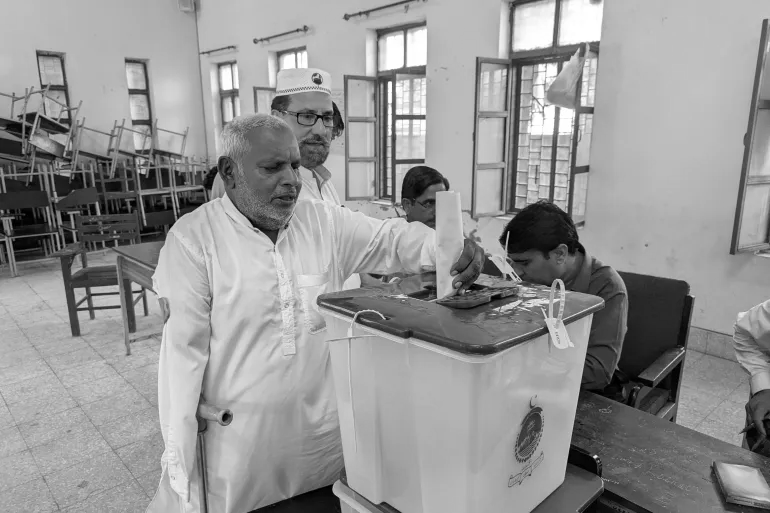
Polling was held in four constituencies in Bagh and Haveli districts of Poonch Division. Voting in seven other constituencies was postponed indefinitely because of security concerns. Most of the 803 polling stations were classified as sensitive or highly sensitive.
The Pakistan Peoples Party (PPP) alleged that PML-N workers were illegally stamping ballot papers, blocking roads and removing its polling agents from some stations. It also claimed polling was delayed at certain locations because staff had not arrived. The PPP shared a video that it said showed PML N workers attacking a polling station at a school in LA 15 Central Bagh. The allegations and video could not be independently verified.
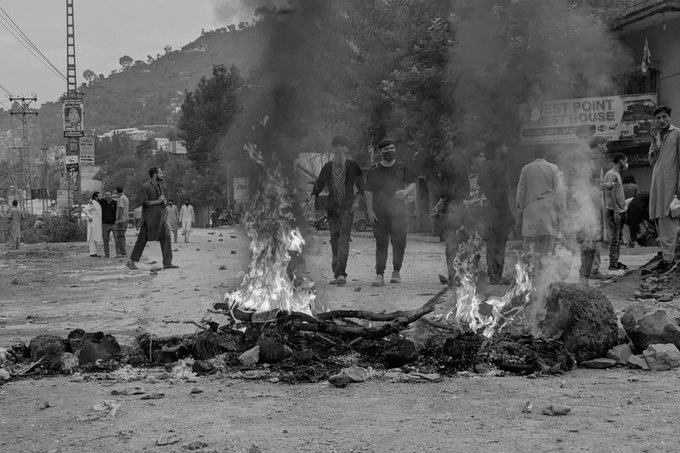
The latest polling took place against a backdrop of violent protests and disputed election claims. The first two phases, held on July 27 and August 2, were also marked by violence and allegations of rigging. PML N has won 24 of the 34 seats contested so far, giving it enough strength to form the regional government.
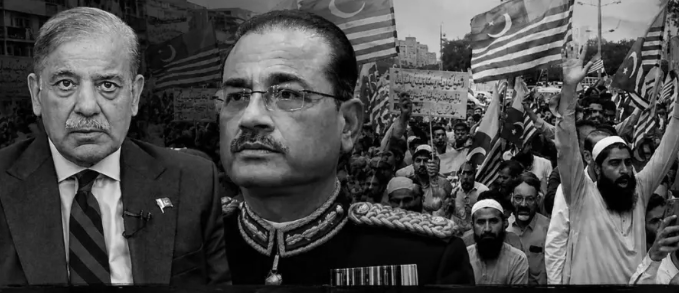
But the most striking development is the sudden change in Pakistan’s language towards the Joint Awami Action Committee (JAAC), the protest movement that has challenged Islamabad’s influence over PoK.
After months of confrontation, Rana Sanaullah, senior adviser to Prime Minister Shehbaz Sharif, described 99 per cent of people associated with JAAC as “patriotic brothers”. He said a PML N government in PoK would sit with JAAC representatives and make resolving their issues a priority.
That is a sharp departure from the government’s earlier position. Pakistan’s Defence Minister had recently described the protesters as “enemy of Pakistan”, while government figures had accused the movement of links with extremist elements. Authorities had also alleged the presence of Pakistani Taliban members among the protesters.
Now, the same political camp says the overwhelming majority of those protesters are patriots who should be engaged in talks.
The timing is difficult to ignore. PML-N is preparing to form the PoK government after securing 24 seats in the first two phases. It will therefore inherit a region where public anger over governance, representation and Islamabad’s influence remains high.
JAAC has opposed the 12 seats reserved for people displaced from Indian administered Kashmir, arguing that they distort political representation. The group was banned by the regional government in June. It has also called for a boycott of the elections.
The unrest has brought a heavy security response, with reports of road closures and internet blackouts. The situation has also raised concerns over the safety of civilians and the conduct of the election process.
Casualty figures remain disputed. JAAC has claimed that around 400 protesters have been killed since early June and has alleged more than 40 deaths during the election related unrest. Pakistani authorities have rejected the larger figures as exaggerated.
The election result may give PML-N political control of PoK. But its bigger challenge will be rebuilding trust in a region where protesters once labelled “enemies” are now being called “patriots” by the same political establishment seeking to govern it.