
Tibetan Identity in Focus: How China’s New Ethnic Unity Law Is Fueling Concerns
Tibetan language, culture and religious heritage are at the centre of a renewed dispute over China’s policies in Tibet, after a new ethnic-unity law took effect on July 1, 2026.
China says the Law on Promoting Ethnic Unity and Progress strengthens equality, development and national unity. Critics, however, argue that it formalises a shift towards assimilation. The law gives greater prominence to Mandarin in education and public administration and calls on schools, families and institutions to foster patriotism and a shared Chinese national identity. UN experts have warned that the framework could affect minority languages, cultural rights, religion and education.
For Tibetans, the concern is acute because language is linked to literature, history, Buddhist teachings and cultural transmission. People still practise Tibetan calligraphy, traditional crafts, Tibetan opera and religious rituals within Tibet today, but access to independent cultural expression remains constrained by official oversight.
Religious heritage faces another layer of state oversight. Chinese authorities have promoted the “Sinicisation” of Tibetan Buddhism, with senior leader Wang Huning calling for full implementation of the new law and closer alignment of Tibetan Buddhism with socialist society.
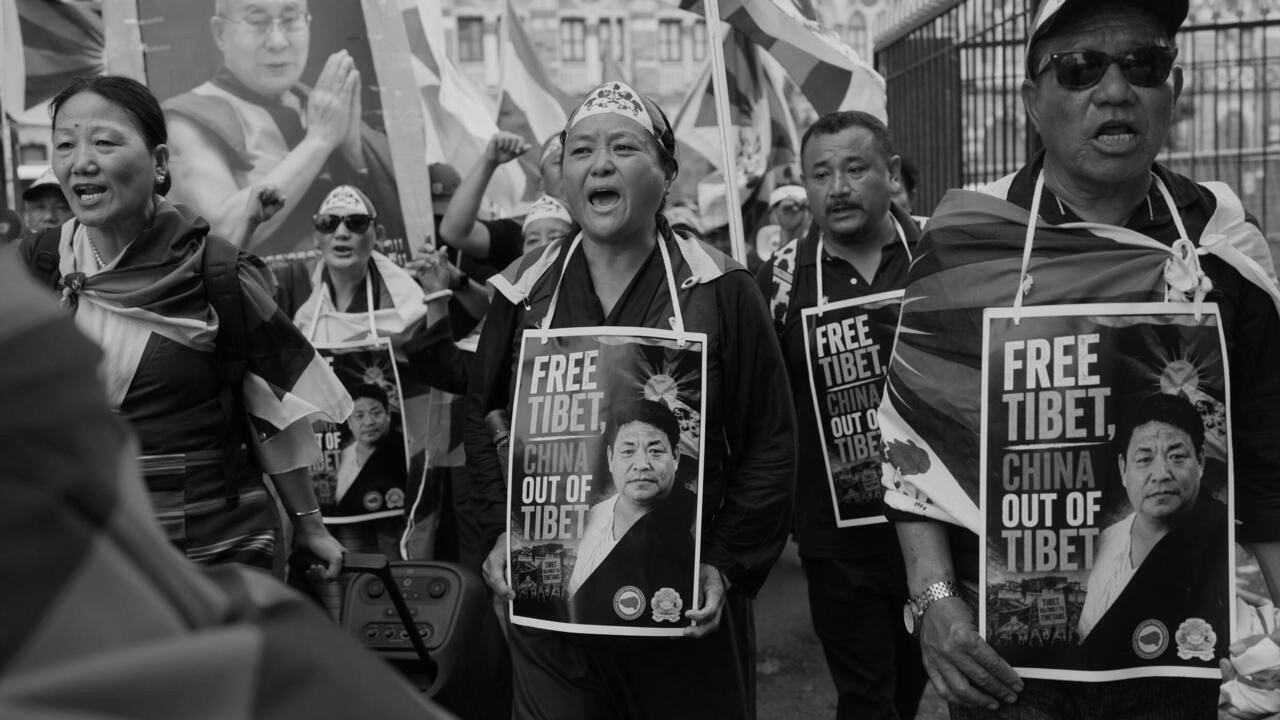
The issue has moved beyond Tibet’s borders. In Shimla, Tibetan protesters commemorated Lopsang Palden, whose reported self-immolation they linked to the Tibet issue, and urged the United Nations and world leaders to intervene. They demanded protection for Tibetan language, culture and heritage and continued to call for Tibet’s independence.
Several international mechanisms could address these concerns. UN Human Rights Council Special Procedures can seek information from Beijing and raise concerns over cultural, linguistic, religious and educational rights. UN treaty bodies can examine China’s obligations under relevant human-rights conventions. UNESCO can monitor protected sites such as the Potala Palace complex and support safeguarding of traditions including Tibetan opera and the Gesar epic.
The challenge is enforcement: these mechanisms can investigate, document and recommend, but cannot compel China to change domestic policy. For Tibetans, international scrutiny remains important for keeping language, religion and cultural preservation on the global agenda.