
Time for a Reset? India's Women's T20 World Cup Exit Raises Tough Questions
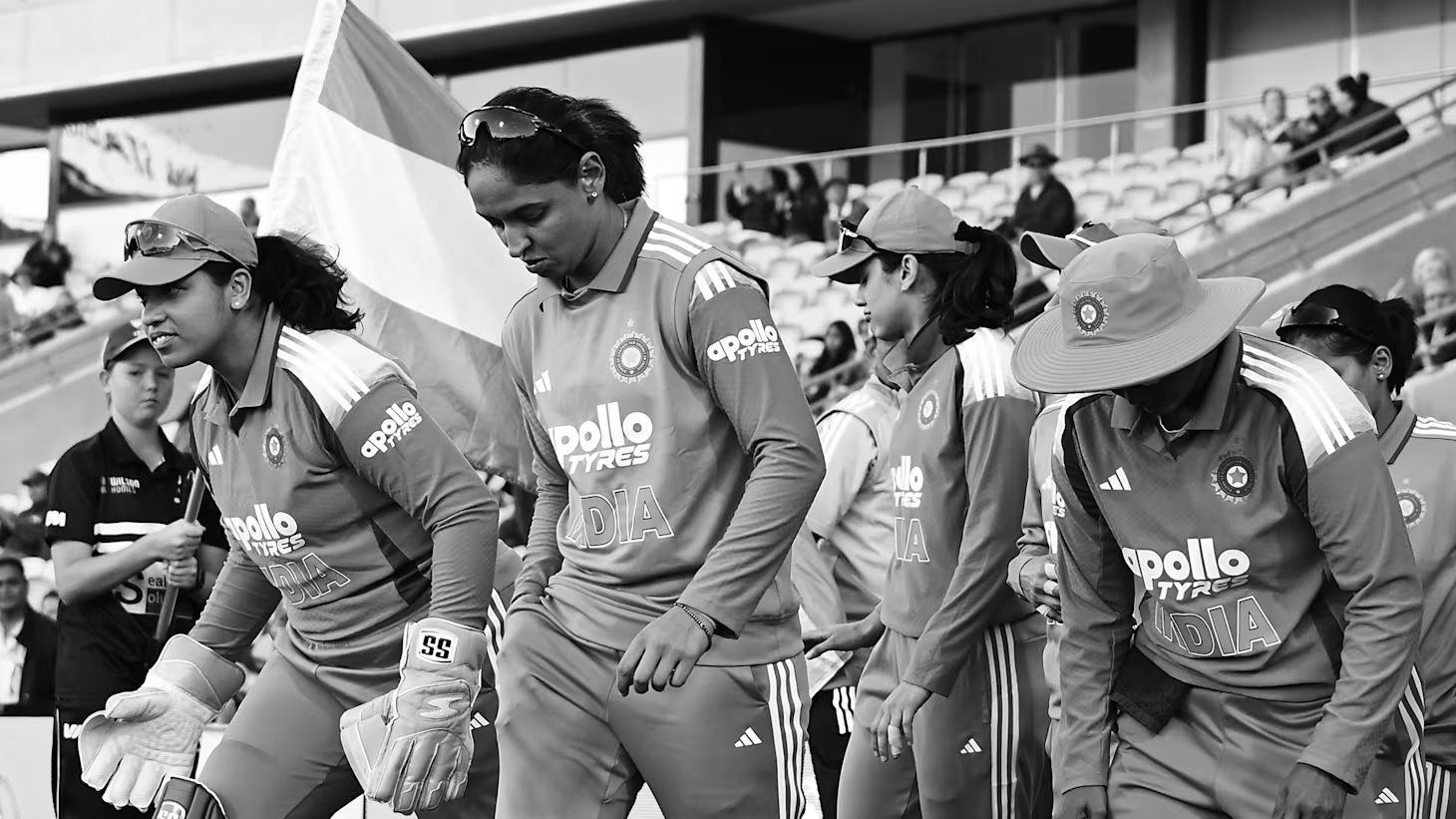
India's campaign at the ICC Women's T20 World Cup ended in disappointment once again, with a six wicket defeat to Australia ending their hopes of reaching the semifinals. More than just another World Cup exit, the loss has reignited serious questions over the team's leadership, selection strategy, batting approach, and overall direction in the shortest format.
Despite entering the tournament as one of the favourites, India never looked like a settled side. Frequent changes to the playing XI, shifting batting positions, and inconsistent performances suggested the team was still searching for its best combination even during the biggest tournament of the year. The result is a second consecutive T20 World Cup under Harmanpreet Kaur's captaincy without a place in the knockout stage.
The spotlight has naturally turned towards Harmanpreet Kaur , whose future as T20I captain is now under discussion. While head coach Amol Muzumdar has publicly backed the veteran, the selectors are expected to review the team's disappointing campaign. Harmanpreet remains one of India's finest cricketers, but her batting returns have been inconsistent. Her determined innings against Australia showcased her experience, yet it was her only significant contribution during the tournament.
India's team selection also drew criticism. Injuries to Amanjot Kaur and Shreyanka Patil disrupted preparations, but the continued rotation of bowlers reflected uncertainty rather than a clear strategy. One bright spot was young left arm spinner Shree Charani , who emerged as India's standout performer with 14 wickets in five matches , proving that the future holds exciting talent.
The batting unit also struggled to deliver when it mattered most. India often spoke about playing fearless cricket but frequently adopted a cautious approach, especially during the middle overs. Yastika Bhatia and Jemimah Rodrigues failed to provide the stability expected from the middle order, leaving finishers Richa Ghosh and Deepti Sharma with too much work in the closing stages of the innings.
Another major concern was India's fielding. The team dropped 10 catches during the tournament, with costly mistakes against South Africa and Bangladesh allowing opponents to recover from difficult situations. Such lapses proved expensive in a tournament where every opportunity mattered.
With the coaching staff themselves admitting that a "rethink" is needed, Indian women's cricket now appears to be entering an important phase. Whether that involves changes in leadership, fresh faces in the squad, or a more aggressive brand of cricket, one thing is certain. If India hopes to challenge consistently for global titles, this World Cup disappointment must become the starting point for meaningful change rather than another missed opportunity.