
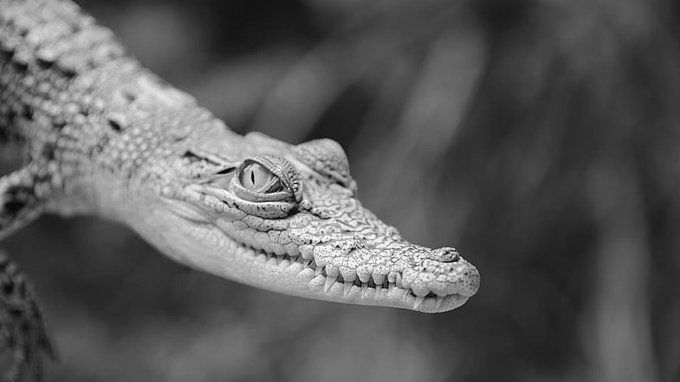
Tiny Crocs Take First Steps as Hundreds of Saltwater Hatchlings Emerge in Odisha’s Bhitarkanika
A remarkable natural spectacle is unfolding at Odisha’s Bhitarkanika National Park, where hundreds of saltwater crocodile hatchlings have begun breaking free from their eggs and making their first tentative journey towards the park’s creeks and water bodies.
The annual emergence of the tiny reptiles began three days ago and is expected to continue for nearly two weeks, according to forest officials. The event marks another successful breeding season for the national park, which is home to nearly 70 per cent of India’s estuarine crocodile population.
The conservation success at Bhitarkanika has been particularly striking. The park’s crocodile population has increased from just 96 in 1975, when organised conservation efforts began, to 1,858 at present.
Forest officials identified 117 nesting sites this year. Female crocodiles typically lay between 50 and 60 eggs, which remain buried for around 70 to 80 days before the hatchlings emerge.
However, survival in the wild remains extremely difficult. Crocodile researcher Sudhakar Kar said only about one in every 100 hatchlings is likely to survive to adulthood, with the young reptiles vulnerable to attacks from aquatic animals and other predators.
The hatchlings emerge without their mothers and initially remain around the nesting sites before gradually moving towards nearby creeks and water bodies. Forest personnel are maintaining a safe distance to prevent disturbance, as adult crocodiles can become aggressive when their nesting areas are threatened.
The reptiles construct their nests on elevated ground using mangrove twigs, leaves and mud, choosing locations that are protected from monsoon flooding and receive sufficient sunlight.
To safeguard the breeding season, Bhitarkanika was closed to tourists and visitors from May 31. The restriction was lifted on July 31.
Besides Bhitarkanika, estuarine crocodiles are also found in the Sundarbans and the mangrove habitats of the Andaman Islands. The species plays an important role in the mangrove ecosystem, while its presence also helps keep human activity away from vulnerable forest patches, indirectly protecting them from illegal tree felling and poaching.