
Trump Administration Revives Dormant Court in Afghan Woman ISIS Deportation Case
The Trump administration has launched the first ever case before the Alien Terrorist Removal Court, a little known court created in 1996 but never used until now, to seek the deportation of Nazira Haji Zada, an Afghan born green card holder living in Fort Worth, Texas. She was arrested earlier this week and is scheduled to appear before the court in Washington, DC.
According to newly unsealed court papers, the FBI alleges Nazira, 47, supported ISIS, encouraged her children to pledge loyalty to the terror group and helped relatives plan an ISIS inspired attack targeting American voters on Election Day 2024. The Justice Department says she planned to return to Afghanistan while the attack was carried out. The allegations have not been proven in court.
Nazira is the mother of Abdullah Haji Zada and the mother in law of Nasir Ahmad Tawhedi, who pleaded guilty in the Oklahoma terror case. Abdullah was sentenced to 15 years in prison and agreed to be deported after serving his sentence. Tawhedi, a former security guard at a US military base in Afghanistan, admitted trying to support ISIS after buying AK 47 rifles, selling family assets and purchasing one way tickets for his wife and child to Afghanistan.
Officials say Nazira has no criminal record, making this special court the government's chosen route for deportation. The five judge court can hear cases involving suspected foreign terrorists while protecting classified evidence. Chief Judge Joan Ericksen said the case is still in its early stages and the government has only met the threshold needed to begin proceedings, not to prove its claims.
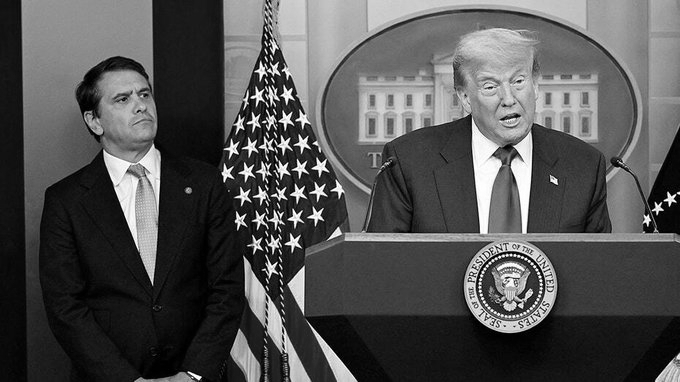
Acting Attorney General Todd Blanche said, "Congress created the Alien Terrorist Removal Court three decades ago to remove from the United States alien terrorists who never should have been here in the first place." FBI Director Kash Patel added, "No one should be allowed to come into our country and then betray it." No decision from Thursday's hearing had been made public at the time of publication.