
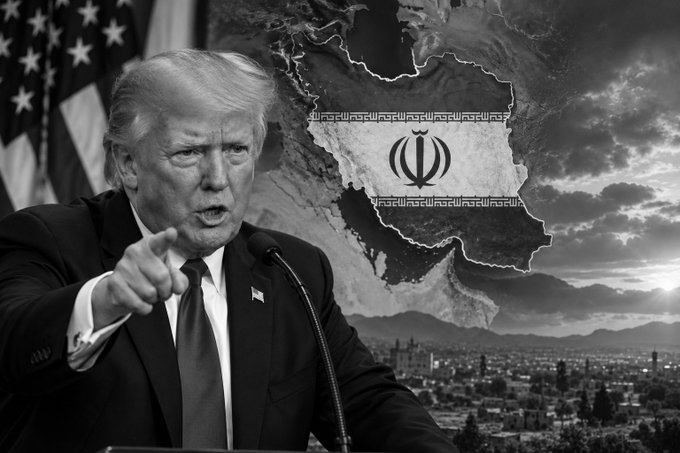
Trump Rejects Iran’s 7-Day Hormuz Truce, Expects Bombing To Resume After US Midterms: Report
US President Donald Trump has rejected Iran’s proposal to reopen the Strait of Hormuz within seven days and halt fighting across the Middle East, with The Wall Street Journal reporting that he has told aides he expects US bombing of Iran to resume after the November congressional elections. Iran, meanwhile, is still awaiting a formal response from Washington, as the reported rejection has not been publicly announced by the US administration.
The Iranian proposal was conveyed to Washington through Qatari mediators and presented by Foreign Minister Abbas Araghchi at the United Nations General Assembly in New York. Tehran said the plan could reopen the strategic waterway and halt regional hostilities within seven days. A US official had described discussions between Washington and Tehran through mediators as “positive and constructive”.
Under the roadmap, the seven-day countdown would begin once the United States accepted the proposal. Initial steps would take four to five days, the Strait of Hormuz would reopen on the sixth day, and talks between Iran and the US on the final agreement would begin on the seventh day, according to Araghchi. Those negotiations could cover mutually agreed subjects, including Iran’s nuclear programme.
In return for reopening the strait and ending hostilities on all fronts, including Lebanon and Yemen, Tehran wants Washington to lift its blockade of Iranian ports, waive sanctions on Iranian oil exports and release Iran’s frozen funds, reported at about $12 billion. Araghchi said Iran was ready for the process if there was seriousness on the US side.
The nuclear issue remains a major obstacle. Trump has repeatedly said Iran must not acquire a nuclear weapon, while a senior Iranian official said Tehran would not compromise on its nuclear rights, including uranium enrichment or sending its highly enriched uranium out of the country. The proposal could nevertheless pave the way for wider nuclear talks if Washington accepts it.
The Wall Street Journal report said Trump remains privately sceptical that Iran would meet his demands and considers renewed military action likely. Reuters said it could not immediately confirm the report. The development comes despite continuing diplomatic contacts and follows earlier failed attempts to end the conflict, which began on February 28 with US and Israeli attacks on Iran.
The seven-month conflict has widened across the region. Iran has launched drone and missile attacks against US allies in the Gulf, while Iran-aligned Houthis in Yemen have targeted Saudi interests. Iran-linked militias in Iraq have also been blamed for a pipeline attack that temporarily removed additional Saudi oil supplies from the market, while Hezbollah has continued fighting Israeli forces in Lebanon.
Araghchi also briefed Saudi Foreign Minister Prince Faisal bin Farhan on an Iran-Oman understanding for safe shipping through the Strait of Hormuz. The Saudi-backed Yemeni government has meanwhile faced attacks from Houthi forces, with missiles and drones targeting Saudi territory, cities, energy infrastructure and shipping. Saudi Arabia said its coalition intercepted Houthi drones headed towards Riyadh and a ballistic missile launched towards Khamis Mushait.
Saudi Arabia’s partners Turkey and Pakistan have also stepped up security coordination. Defence officials from both countries met in Riyadh to discuss intelligence sharing, military coordination and force integration, a day after the Saudi, Pakistani and Turkish foreign ministers met under the Mecca Joint Defence Agreement. Meanwhile, UNICEF has warned of rising acute malnutrition among children as violence in Yemen fuels a fresh humanitarian crisis.