
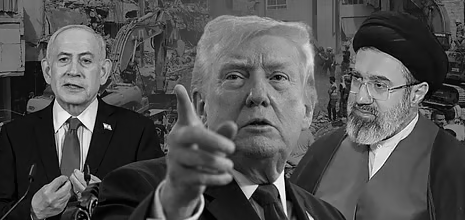
Trump Rules Out Sanctions Relief for Iran Until Deal Is Done, Frees Israel to Bomb Beirut
Donald Trump took to NBC News' "Meet the Press" on Sunday to remind the world exactly how generous he is prepared to be with Iran, which is to say, not at all. Sanctions relief, unfrozen assets, any form of economic reprieve : all of it, Trump made clear, comes only after Tehran signs a deal and actually follows through. "Comes after," he said, with the elegant brevity of a man who considers subtlety overrated. "Yeah. If they behave, if they do a good job, we start talking. Yeah."
What a deal. Behave first, rewards maybe later. Iran, a country that has been under bombardment since February 28 , is being asked to trust that the same administration that launched the strikes will make good on its promises. Remarkable proposition.
Trump also said he is " very close " to finalising an agreement, adding with notable warmth that he admires the "bravery" of Iran's Supreme Leader Mojtaba Khamenei , who was reportedly "badly injured" during earlier strikes. Nothing says diplomatic progress quite like praising the man you bombed. He clarified he is not demanding Lebanon be included in any short-term deal with Tehran. "I think they'd like to see it, but I'm not demanding," he said, cold comfort for a country that is, once again, watching its cities burn for someone else's negotiations.
Israeli airstrikes hit southern Beirut suburbs on Sunday, which Netanyahu framed as retaliation for Hezbollah rocket fire towards northern Israel. In response, Iran's war command centre Khatam al-Anbiya Central Headquarters declared it was prepared to carry out " Operation True Promise 5 " (Iran's name for its direct military operations against Israel) if the Beirut strikes continued. A senior Iranian parliament member added that Israel should "watch the sky of the occupied territories tonight." The ceasefire, evidently, is a very loose concept.
Meanwhile, the US military shot down two more Iranian drones over the Strait of Hormuz on Sunday that threatened international maritime traffic, while Pakistani Interior Minister Mohsin Naqvi arrived in Tehran carrying a written message from Prime Minister Shehbaz Sharif addressed to Khamenei . Iran's Foreign Ministry told CNN that Tehran and Washington were still exchanging messages through Pakistani mediators but accused the US of making negotiations difficult with shifting demands. Trump, for his part, said US troops would stay in the region. "It costs us very little to keep them there," he told NBC. The 3,558 Iranians killed since the start of hostilities would perhaps have different thoughts on the cost calculus.
Back home, the war is increasingly a political liability. An IGA poll showed 58 per cent of Americans, including 21 per cent of Republicans, disapprove of Trump's handling of the conflict, and only 24 per cent say it is making the US safer. Some Republicans privately fear the war's unpopularity and economic fallout could cost the party control of Congress in November's midterms. Trump told NBC he was in "no hurry" to make a deal. The midterm calendar, presumably, disagrees.