
Trump Says US in 'Very Deep Talks' With Iran as Strikes Halt, Houthis Keep Hitting Saudi
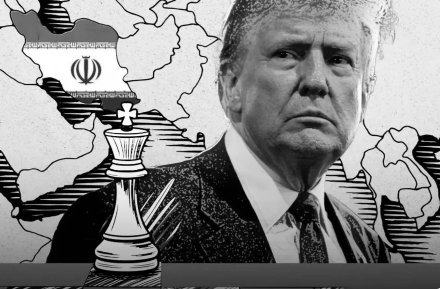
US President Donald Trump 's military campaign against Iran appears to have entered a difficult phase. After weeks of relentless bombing, American strikes have fallen silent for three consecutive nights, even as the conflict spreads beyond Iran. The latest escalation comes from the Iran-backed Houthi rebels in Yemen, who have opened a new front by targeting Saudi Arabia's oil infrastructure and key shipping routes, adding fresh pressure on Washington and its regional allies.
According to reports, senior US military officials advised Trump to pause the strikes after weeks of sustained attacks. The White House says the halt is meant to create space for diplomacy while keeping US forces "locked and loaded" for any renewed escalation. Officials insist additional American military assets have been positioned around Iran and reject reports that the pause is due to dwindling weapons stockpiles.
Despite Trump's repeated claims that diplomacy is advancing, Tehran insists no direct negotiations with Washington are underway. Iran's Foreign Ministry says Qatar and Pakistan may carry indirect messages between the two sides, while recent diplomatic contacts have been limited to deputy foreign minister-level discussions with Oman. Iranian officials say they "do not negotiate through the media" and remain unwilling to compromise on core issues, particularly the Strait of Hormuz, through which roughly one-fifth of global oil supplies pass. On Monday, Trump struck a more optimistic tone, saying the United States was in "very deep talks with Iran" and expressing confidence that a deal could come quickly. "Not much time. Either it goes fast or not at all," Trump told Axios, while warning he was prepared for "strong military action" if diplomacy failed. Trump also said he would ask Russian President Vladimir Putin whether Russian satellites were assisting Tehran.
Analysts increasingly believe the conflict has reached a stalemate. Washington has failed to force Iran to accept its demands, while Tehran cannot compel the United States to retreat. Another major constraint is military resources. Precision-guided weapons and advanced air defence interceptors are expensive, take time to manufacture and are being consumed faster than they can be replaced. Every interceptor fired in West Asia is also one less available for a potential confrontation with China in the Indo-Pacific. Although the Trump administration denies resource shortages influenced the pause, strategic planners are increasingly balancing multiple theatres.
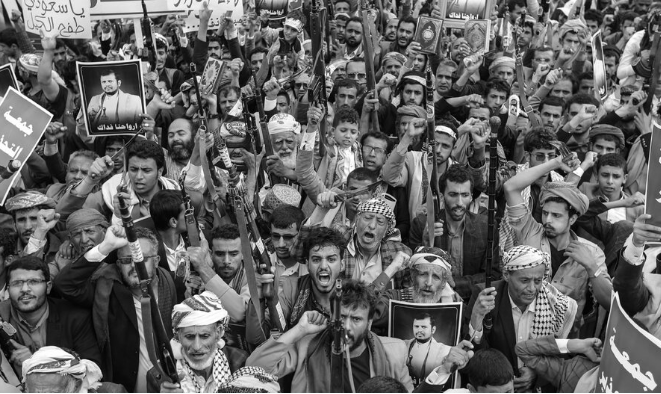
While Washington searches for an exit, the Houthis have dramatically expanded the conflict by opening a new front against Saudi Arabia. Over the weekend, the Yemeni group launched one of its biggest attacks since the war began, firing ballistic missiles and drones at Saudi oil tankers and facilities operated by Saudi Aramco, the world's largest oil company. The Houthis and Saudi Arabia have traded attacks for more than a decade and once observed a fragile truce, but tensions have sharply escalated.
The Houthis declared the Bab el-Mandeb Strait closed to Saudi shipping. The strategic waterway linking the Red Sea and the Gulf of Aden carries nearly 10% of global oil trade, while about 75% of Saudi Arabia's oil exports pass through it. By disrupting traffic and targeting Aramco facilities, the Houthis are threatening both Saudi oil exports and production capacity.
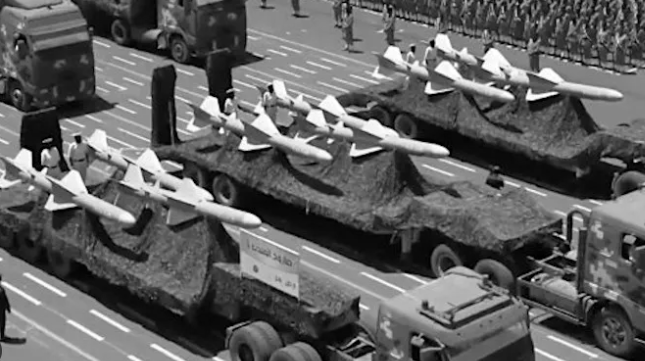
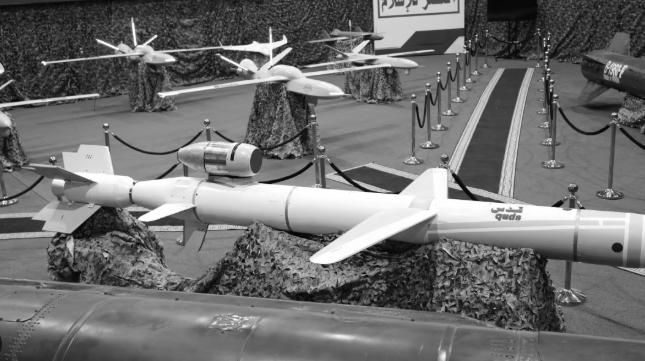
The attacks also demonstrate the growing impact of inexpensive weapons. The Houthis have reportedly used Al Mandab anti-ship cruise missiles with a range of about 300 kilometres, Quds cruise missiles supplied by Iran with a range of roughly 150 kilometres and costing about $50,000, along with Shahed drones, some variants costing as little as $10,000. In effect, they are inflicting enormous economic damage using weapons that cost less than the annual salary of many Americans. The group has made clear it has no intention of halting the attacks.
The escalation raises difficult questions for Washington. For years, the United States has presented itself as Saudi Arabia's principal security guarantor, yet it has so far avoided direct military action against the Houthis. Attention has also turned to Pakistan, which has a mutual security relationship with Riyadh, prompting questions over whether Islamabad would offer meaningful support if the conflict widens.