
Trump Shares AI-Generated Mount Rushmore And Military Images, Ignites Online Controversy
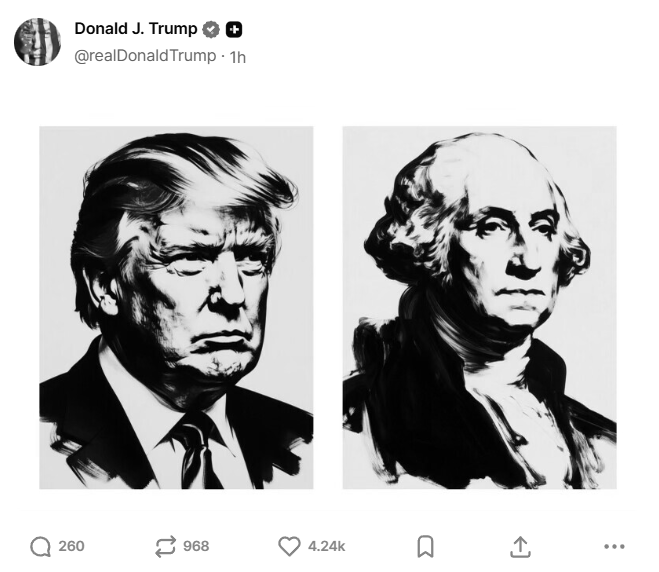
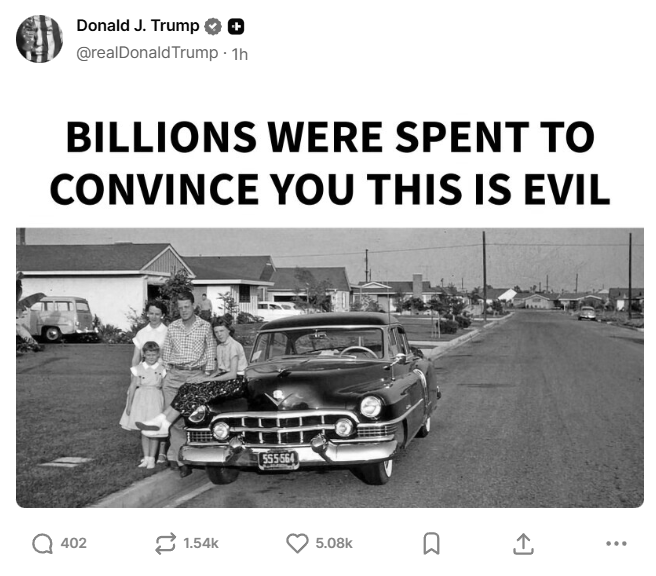
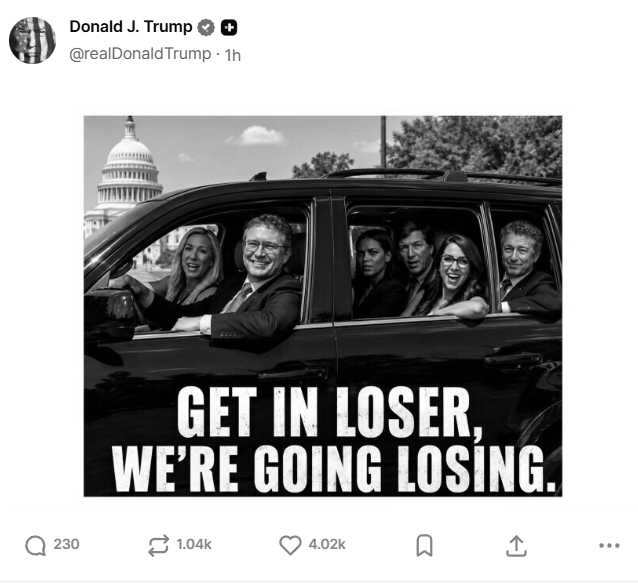
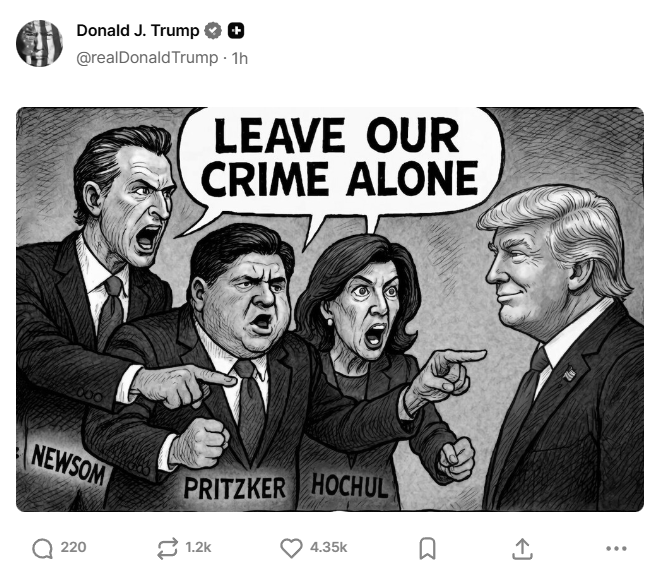
A series of AI-generated images shared by US President Donald Trump on the social media platform Truth Social has sparked widespread debate over the growing use of artificial intelligence in political communication, after visuals depicting him in fictionalised military, leadership, and symbolic national settings went viral online.
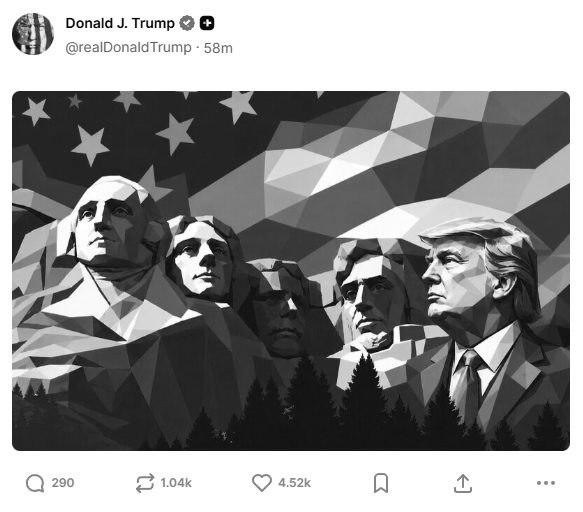
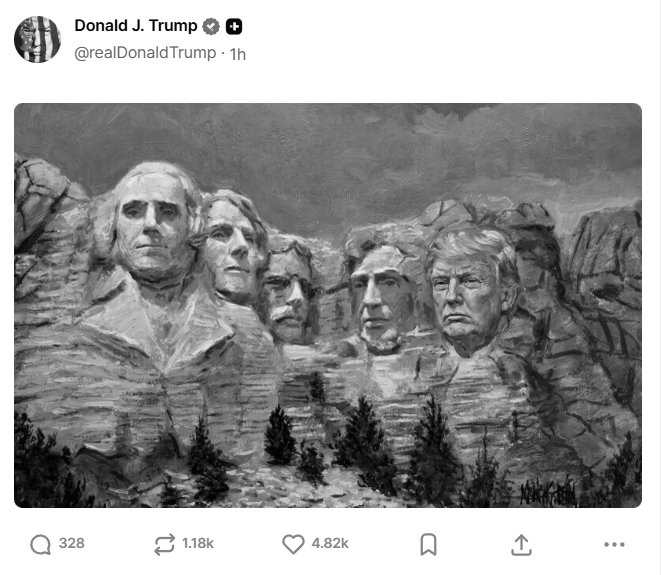
The posts include a widely circulated image showing Trump alongside past US presidents at the Mount Rushmore National Memorial, where his face appears carved into the monument beside George Washington, Thomas Jefferson, Theodore Roosevelt, and Abraham Lincoln. The image quickly triggered online speculation and renewed discussion around long-standing public references he has made about being associated with the landmark.
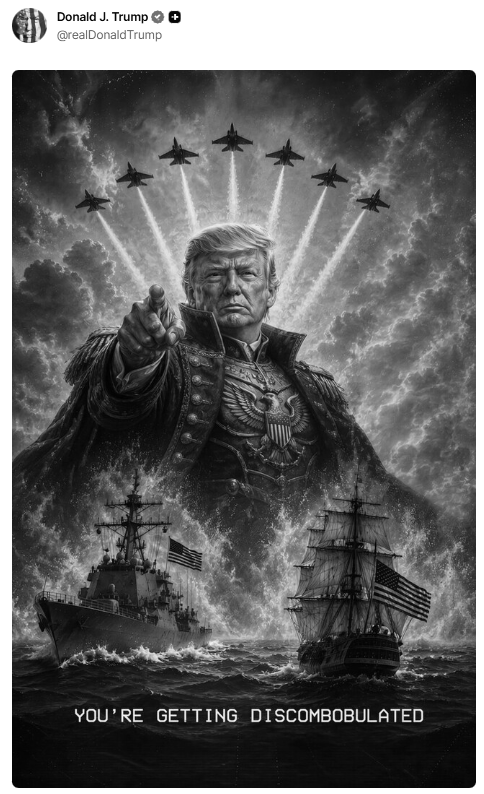
In another viral post, Trump is depicted in ornate military attire in a dramatic battlefield-style setting featuring fighter jets and warships. The image was accompanied by the caption “YOU’RE GETTING DISCOMBOBULATED,” which added to confusion and prompted varied interpretations across social media.
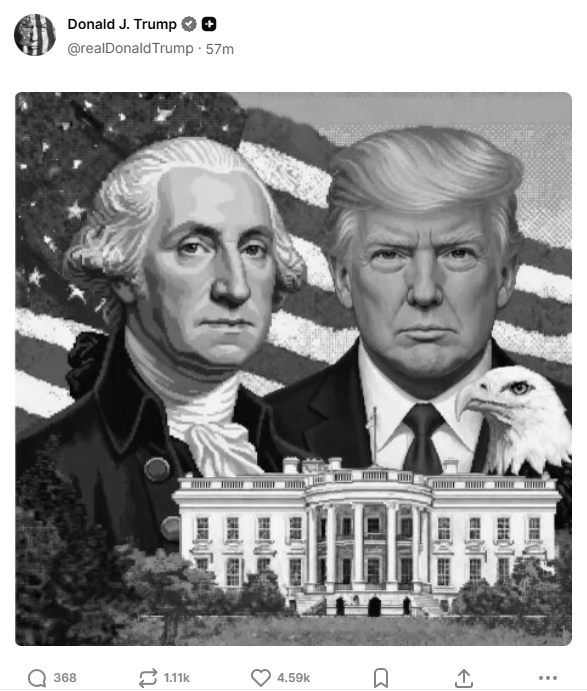
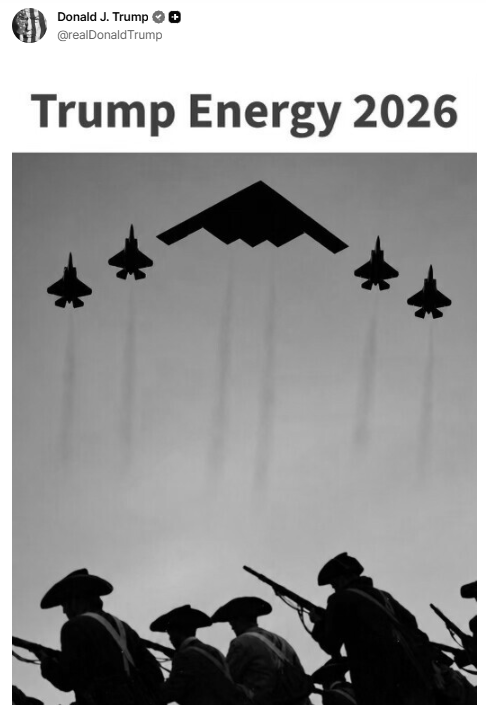
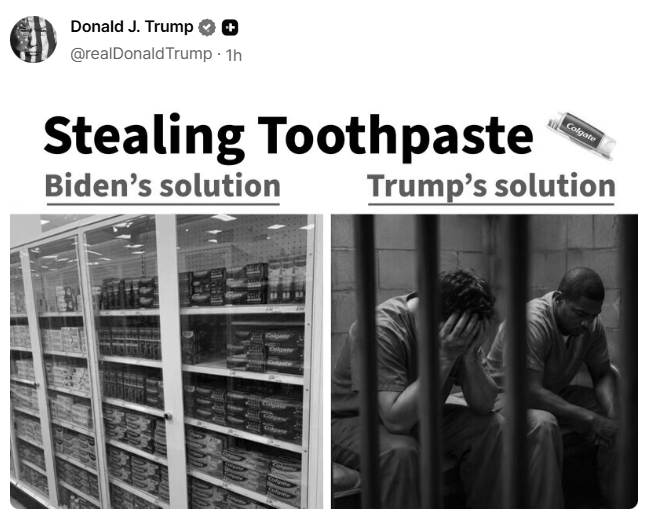
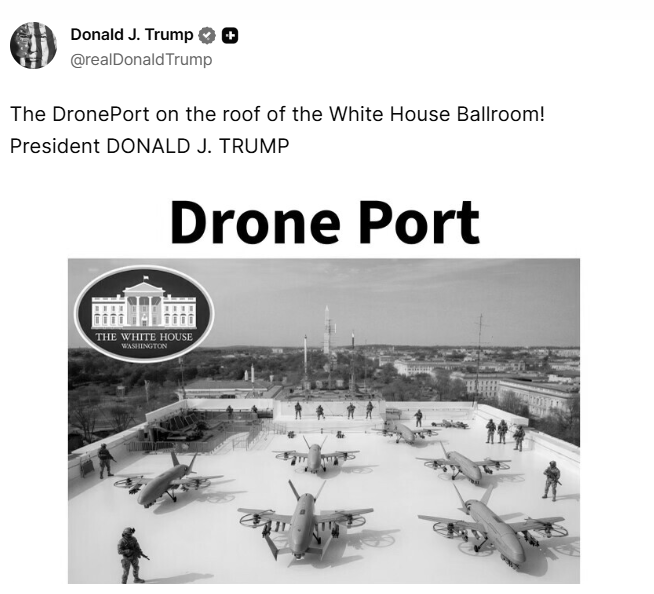
Reports also confirm that the same posting wave included additional AI-generated visuals. These feature Trump in heroic leadership portraits , stylised “visionary” depictions of national development and infrastructure, and symbolic geopolitical artwork featuring flags, global-stage imagery, and dramatic skies. Some posts also include surreal or meme-like compositions that users interpreted as satire, while others were seen as political messaging.
The content appears to be part of a broader pattern of frequent AI-assisted posting , where multiple digitally created images are shared in short bursts. The visuals vary in tone but consistently portray Trump in exaggerated or symbolic roles tied to leadership, power, or national identity.
Observers note that this trend reflects an emerging form of AI-driven political storytelling , where imagery plays a central role in shaping engagement and public perception, often spreading faster than context or verification.
While supporters describe the posts as symbolic or expressive content, critics argue they contribute to context-free digital narratives that blur the line between satire, propaganda, and misinformation. Concerns have also been raised about how such content influences interpretation in fast-moving online environments.