
Trump’s tariff wars are back, and this time Washington is playing by different rules
Just weeks after the Supreme Court dismantled the centrepiece of Donald Trump's trade agenda, the White House is back on the offensive, armed with a different legal strategy and the same unyielding ambition.
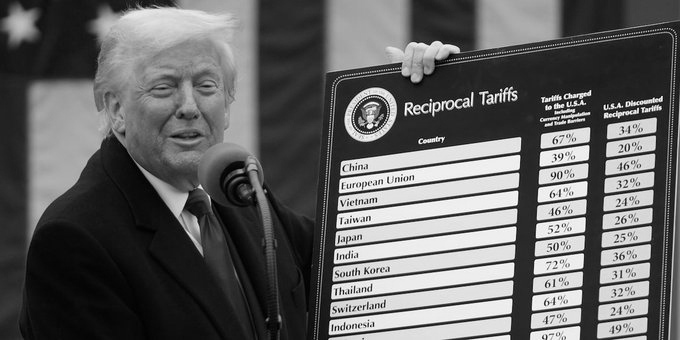
The Trump administration on Wednesday launched sweeping new trade investigations targeting manufacturing practices across 17 countries and territories , including China, the European Union, India, Japan, South Korea, Vietnam, and Mexico, among others. The move marks the administration's most determined effort yet to rebuild the tariff architecture the Supreme Court struck down in February .
That ruling invalidated Trump's use of the International Emergency Economic Powers Act to declare a national economic emergency and impose broad import taxes. The court found he had overstepped his authority, instantly wiping out hundreds of billions of dollars in annual tariff revenue and handing Democrats a potent political weapon heading into the midterms, with many now arguing that American consumers, who bore the cost of those tariffs through higher prices, are owed refunds .
The administration is now turning to Section 301 of the Trade Act of 1974 , a law enacted during the Nixon era that was originally designed to give Washington a formal mechanism to pressure trading partners into opening their markets and abandoning practices that hurt American businesses. It is a slower but legally sturdier tool that allows the US Trade Representative to investigate unfair foreign trade practices and recommend retaliatory tariffs, and has been used most notably against China during Trump's first term. Unlike the emergency declaration the court rejected, Section 301 rests on firmer congressional footing and has withstood legal scrutiny before.
US Trade Representative Jamieson Greer , announcing the investigations Wednesday, was careful not to prejudge the outcome. "The policy remains the same," he said. "The tools may change depending on the vagaries of courts." The investigations will examine government subsidies, suppressed workers' wages, and trade surpluses that Washington argues give foreign companies an unfair edge over American manufacturers. A separate probe targeting goods made with forced labour was also announced.
There is a hard deadline driving the urgency. The administration has been collecting 10% tariffs on most foreign goods under a separate provision of the 1974 Trade Act, but that authority runs out on July 24 . Once it expires, the White House loses its last remaining tariff lever until a new one is legally established. That gives the administration roughly five months to complete its Section 301 investigations, present options to the president, and have new tariffs ready to take effect before the current ones disappear entirely.
For consumers who lived through the inflation of the first tariff wave, businesses navigating fractured supply chains, and trading partners watching nervously from abroad, the message from Washington is clear: the tariff wars are not over. They are simply being refiled.