
Twin Quakes Devastate Venezuela: Death Toll Climbs to 164, Nearly 1,000 Injured, Govt Declares State of Emergency
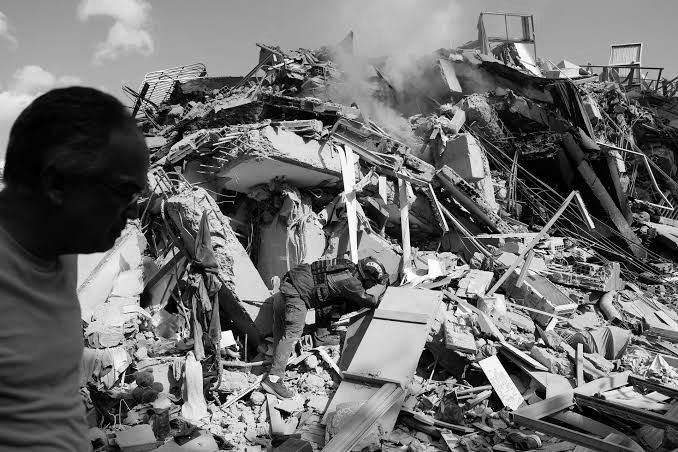
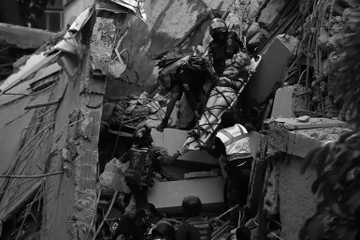
The death toll from Venezuela's twin earthquakes has risen sharply to at least 164 , with nearly 1,000 people injured , as rescue crews continue digging through collapsed buildings across the capital and surrounding states. Officials and the U.S. Geological Survey (USGS) have warned that the final toll could climb into the thousands, or far higher.
Acting President Delcy Rodríguez confirmed the updated figures of 164 dead and 971 injured on Thursday, cautioning that the numbers are expected to keep rising as search-and-rescue teams reach areas that remain difficult to access. She declared a national state of emergency , ordered the closure of Caracas's Simón Bolívar International Airport , suspended train service, and canceled school for several days.
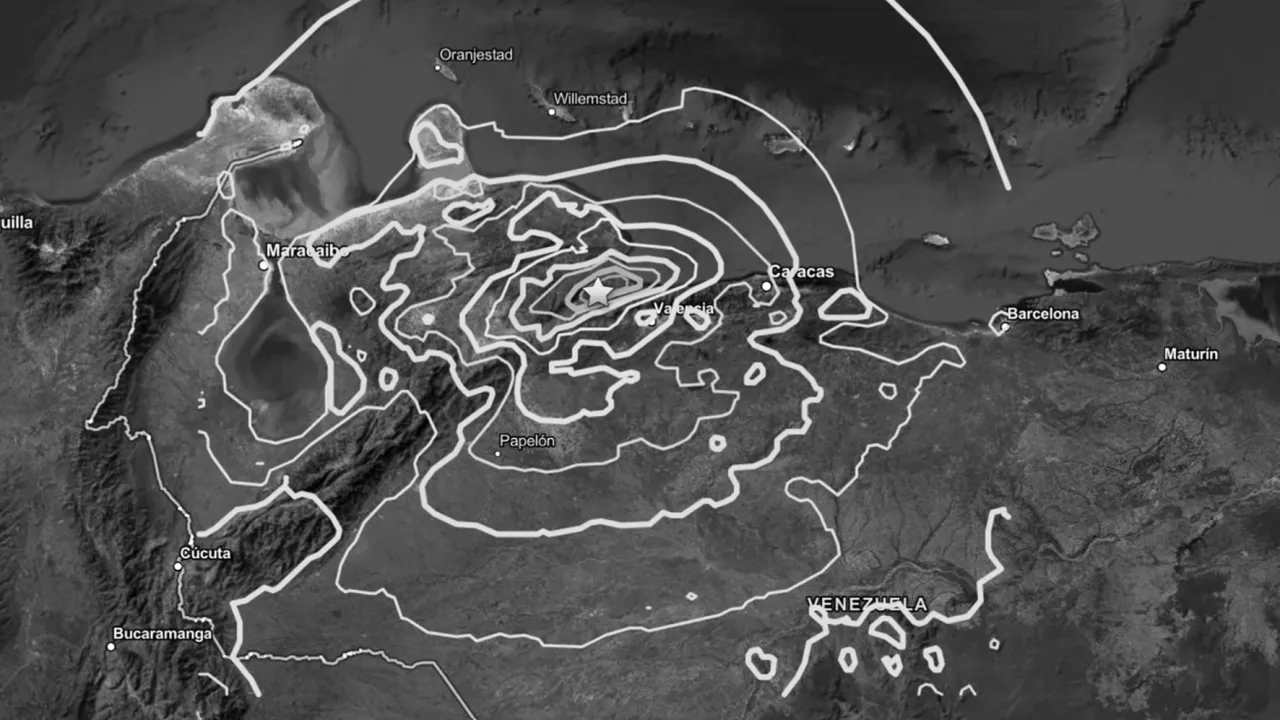
The scale of the disaster has alarmed seismologists. USGS modeling has placed the most likely death toll in the thousands, with a meaningful probability that it could exceed 10,000 , and even surpass 100,000 in a worst-case scenario. The agency issued a "red alert," its most severe classification, warning that high casualties and extensive damage are probable and that the disaster is likely widespread. Estimated economic losses are projected at roughly 1% to 5% of Venezuela's GDP .
USGS seismologist Paul Earle noted that because the two quakes struck so close together in time, untangling their precise magnitudes and epicenters has been unusually difficult. The stronger of the two, measured at magnitude 7.5 , is now considered the most powerful earthquake to hit Venezuela since a magnitude-7.7 quake in 1900 . Forecasters say there is a roughly 40% chance of a magnitude-6 or larger aftershock striking the same region within the coming week, and consider a magnitude-5 aftershock virtually certain. Rodríguez said at least 20 aftershocks had already been recorded by Thursday.
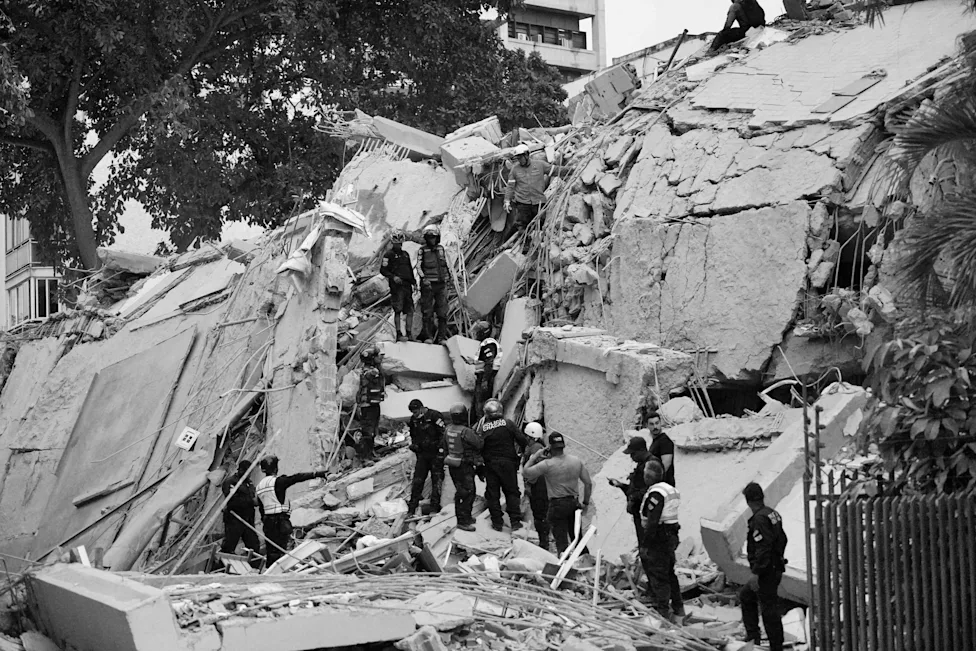
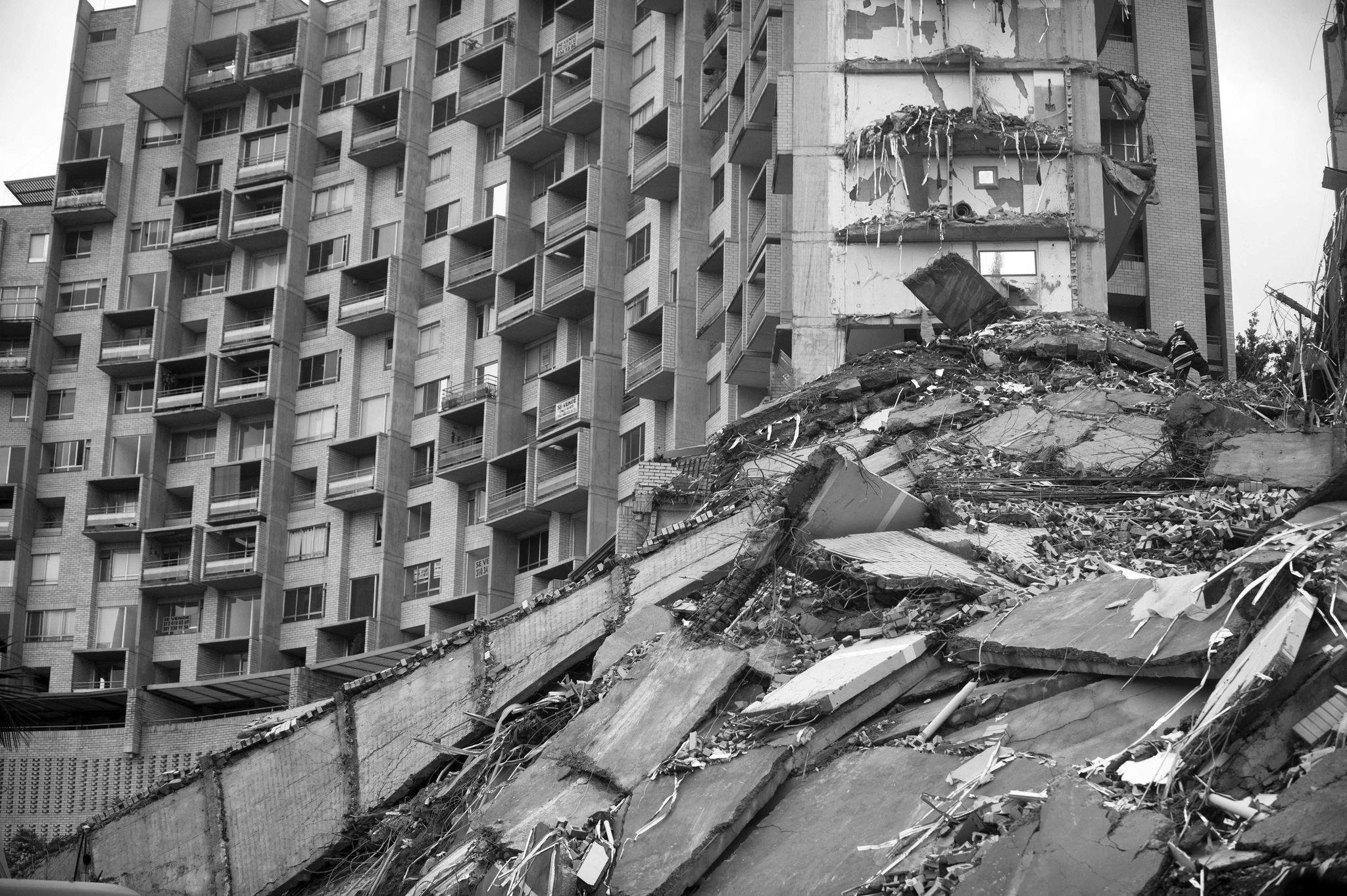
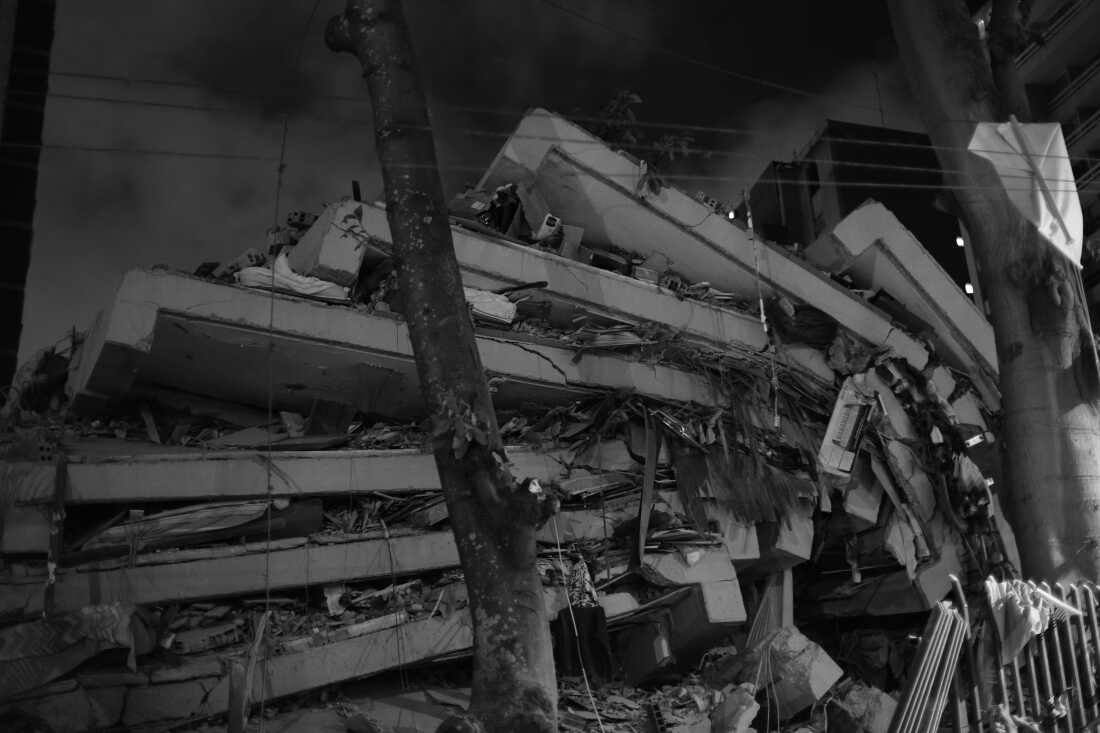
La Guaira state, just north of Caracas, has emerged as the epicenter of the human toll. Rodríguez again identified it as the hardest-hit region and formally declared it a disaster zone . A United Nations humanitarian agency reported that more than 100 buildings collapsed there alone. Footage broadcast on state television showed three children being pulled alive from rubble in La Guaira, dust-covered but unharmed.
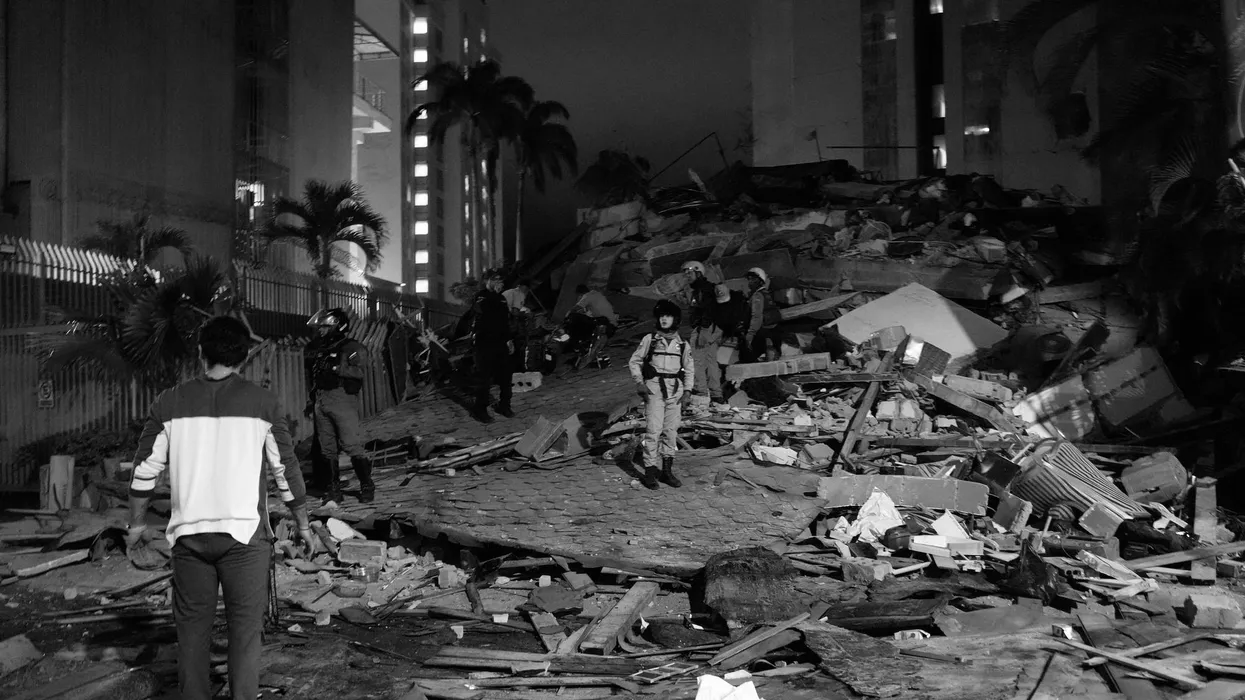
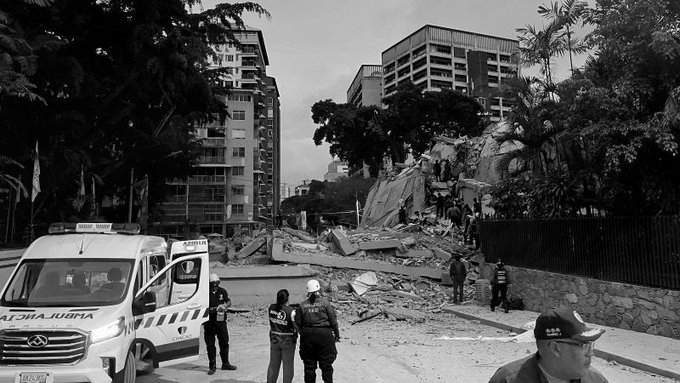
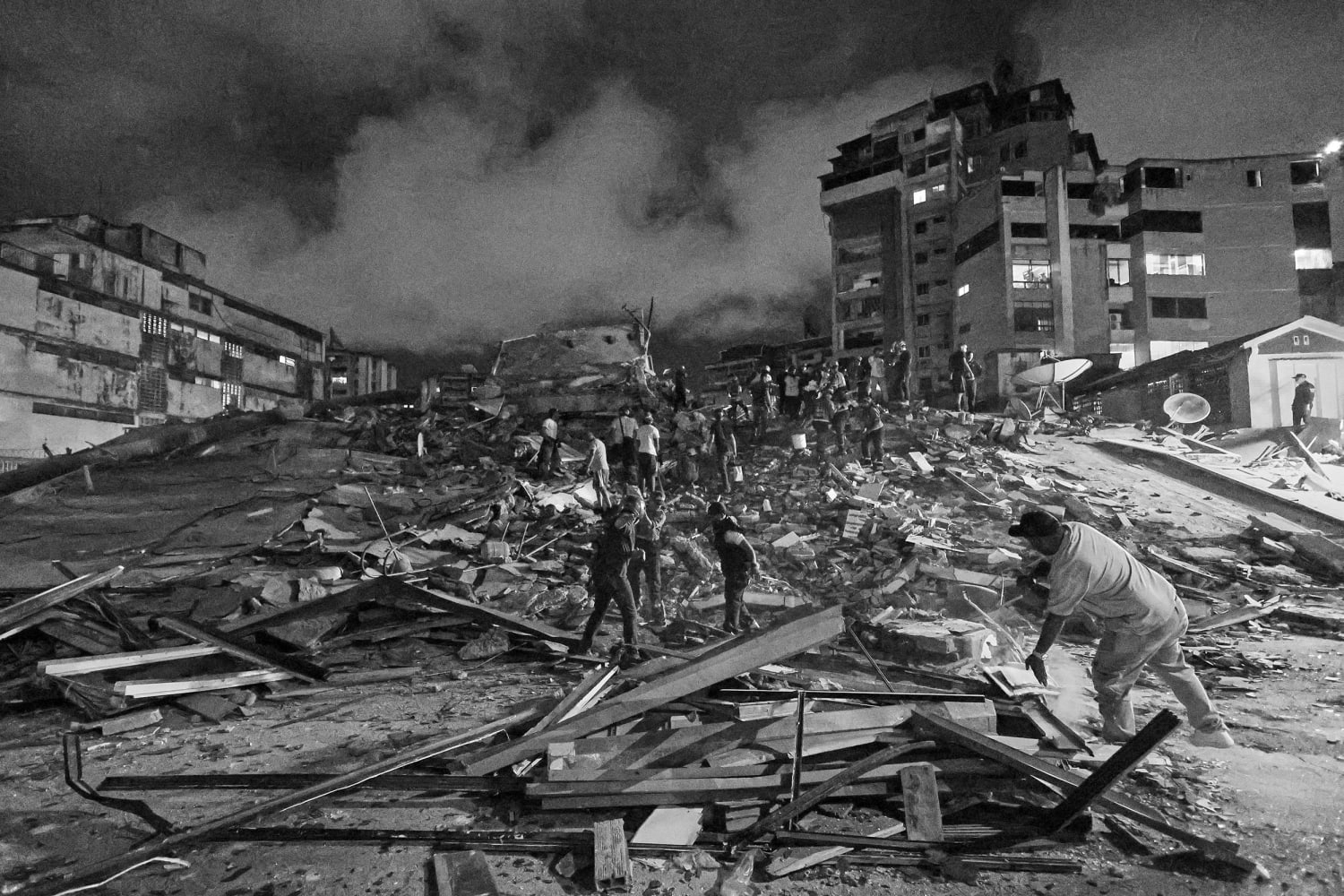
In Caracas, the Altamira district remains among the most severely damaged urban areas, with residential buildings reduced to rubble. Authorities have urged residents across affected regions to remain outdoors given the risk that aftershocks could bring down structures already weakened by Wednesday's shaking.
Nine hours after the quakes struck, internet monitoring group NetBlocks reported that national connectivity remained significantly diminished despite some recovery, attributing the disruption to power cuts and infrastructure damage that have complicated rescue coordination and limited outside visibility into conditions on the ground. Separately, the U.N. Fact-Finding Mission on Venezuela called on the country's telecommunications regulator, CONATEL , to fully restore access to social media and media outlets, stressing that access to information could be a matter of life and death in the coming days.
President Donald Trump said he had directed all U.S. government agencies to prepare to move quickly to assist Venezuela, describing early reports as troubling and pledging support for what he called "our new and great friends." Secretary of State Marco Rubio confirmed the U.S. was immediately deploying search-and-rescue teams, medical resources and humanitarian assistance, promising a response that would be fast and effective, with a whole-of-government effort underway. Rodríguez thanked Trump and U.S. officials, saying Washington had remained in constant contact with Venezuelan authorities.
Beyond the United States, aid pledges and offers of search-and-rescue and medical support have come from China, Argentina, Brazil, Mexico, Colombia, Ecuador, the Dominican Republic, Chile and El Salvador . Indian Prime Minister Narendra Modi earlier expressed condolences and offered India's assistance to Venezuela. Rodríguez also announced a $200 million domestic reconstruction fund to rebuild damaged hospitals and homes.
The earthquakes struck on a national holiday, when many residents were home rather than at work, a factor officials say may have shaped both casualty patterns and survival stories. Venezuela was already grappling with deep economic hardship before the disaster, the U.N. humanitarian affairs agency estimated in May that nearly 8 million of the country's 28 million people needed assistance. Aid groups working in the country say the quakes have added a humanitarian emergency on top of an already fragile situation, with many families spending the night outdoors in cars or in the street, too frightened of aftershocks to return home.
Tsunami warnings issued in the immediate aftermath for Puerto Rico and the U.S. Virgin Islands were later lifted, with no advisories in effect by Wednesday night.
Venezuela has a long history of destructive earthquakes given its position along active tectonic boundaries, having experienced five major quakes in the past century. The country's last major disaster of this kind was the 1967 Caracas earthquake , a magnitude-6.6 event that killed an estimated 225 to 300 people.
With rescue operations ongoing and aftershocks continuing to threaten already-damaged structures, officials say the true scale of the tragedy may not be known for days.