
UK Announces Legal Refugee Resettlement Routes To Curb Illegal Migration, India Among Seven Countries
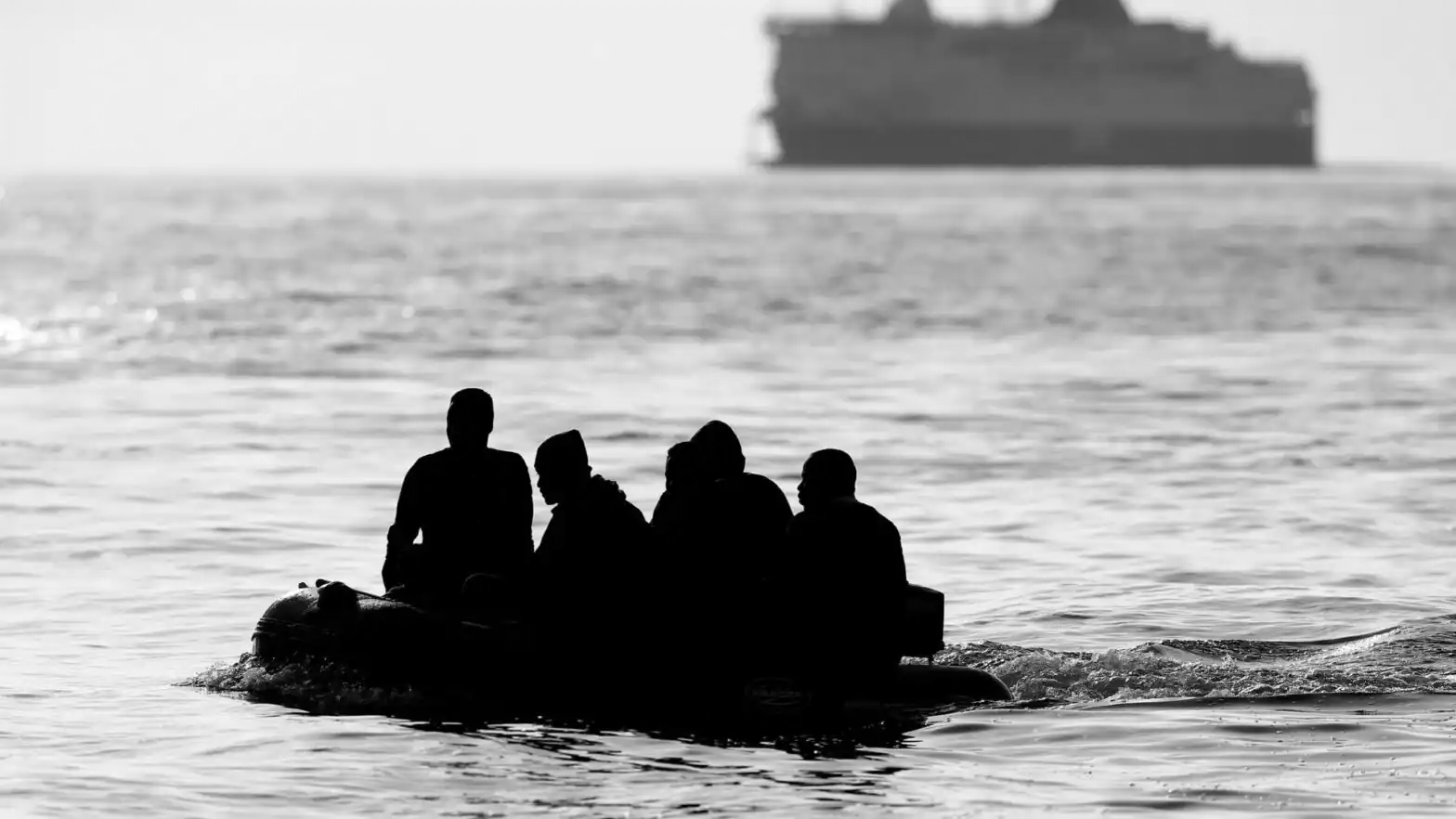
The United Kingdom has announced safe and legal refugee resettlement routes for seven countries, including India, to discourage dangerous irregular migration, particularly small-boat crossings of the English Channel.
Announcing the initiative in the House of Commons on Thursday, Home Office Minister for Border Security and Asylum Anna Turley said the routes would cover India, Bangladesh, Egypt, Kenya, Malaysia, Pakistan and Uganda.
Applicants must be outside their country of nationality and have been present and registered with the relevant authorities or the United Nations High Commissioner for Refugees (UNHCR) in one of these countries before October 1, 2026. The first arrivals are expected in autumn 2027.
The scheme will offer three pathways: named community sponsorship, refugee work and refugee study, connecting refugees with communities, employers and educational institutions. Initial arrivals through these routes and the existing UK resettlement scheme are expected to number in the hundreds, potentially rising to the low thousands as irregular migration declines.
The government has opened applications for organisations seeking accreditation as lead sponsors for community sponsorship and refugee study. Applications for the refugee work pathway are expected to open in spring 2027. Eligible lead sponsors must be UK-based registered charities or community interest companies with the necessary resources, policies and operational capacity.
Sponsors will recruit and assess participating groups, submit applications and provide ongoing support. The Home Office will retain responsibility for security screening and final immigration decisions. Applicants must satisfy identity and eligibility requirements and undergo biometric screening, criminality checks and health assessments.
Meanwhile, UK Prime Minister Andy Burnham has indicated that Britain could consider a formal apology for its role in the trans-Atlantic slave trade but ruled out financial reparations. Writing in The Guardian on Saturday, he called for an honest conversation about slavery's legacy to strengthen ties with Commonwealth nations, particularly in Africa and the Caribbean.