
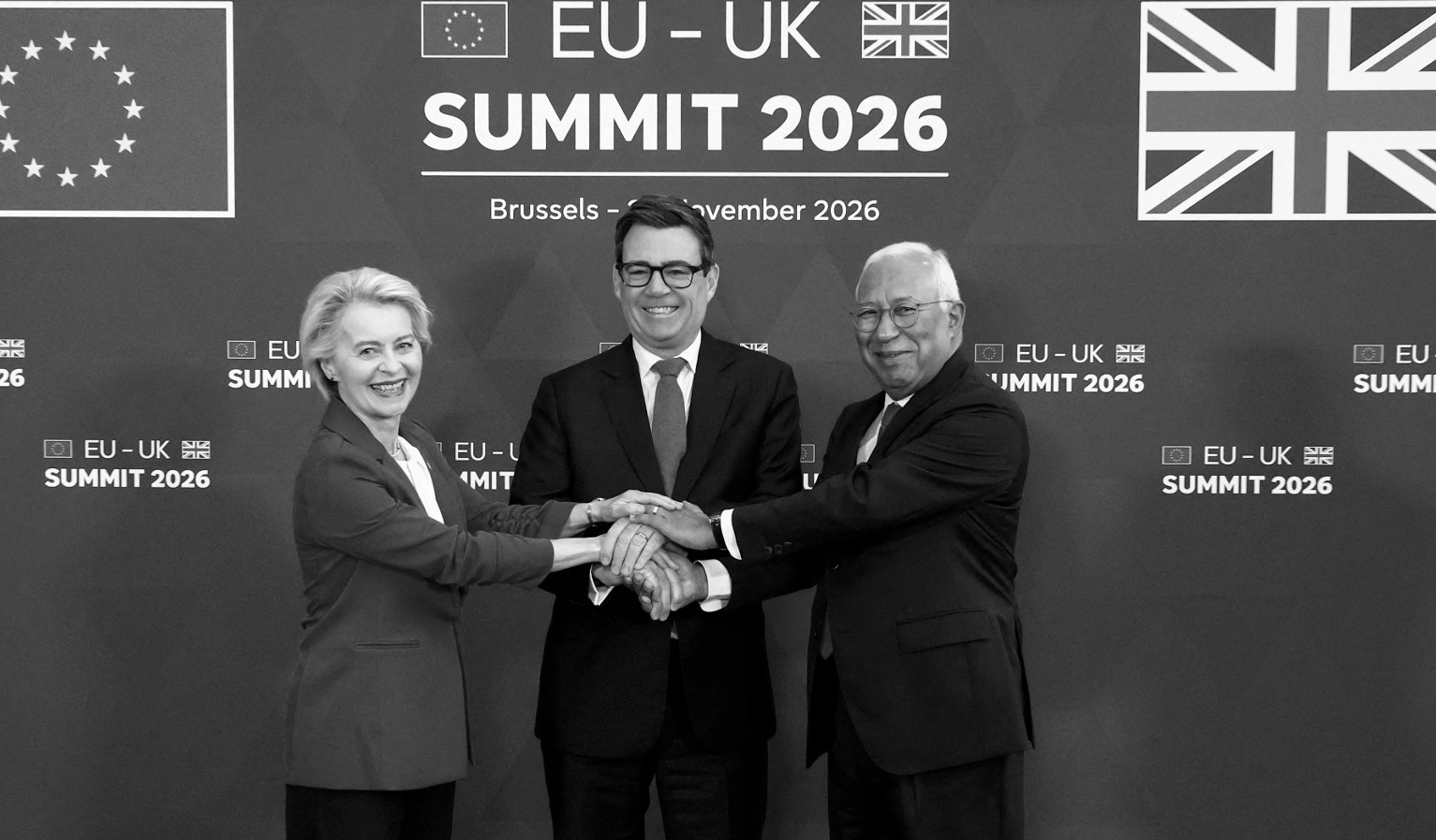
UK, EU Conclude Brexit Reset Talks, Tuition Fee Dispute Delays Implementation
Britain and the European Union have concluded negotiations on a fresh package of post-Brexit agreements aimed at reducing trade barriers, expanding youth opportunities and strengthening cooperation on climate and energy, marking a significant step towards repairing relations nearly seven years after the UK left the bloc. However, a dispute over university tuition fees for European students in Britain is holding up the implementation of key measures.
At the second UK-EU summit in Brussels on November 20, British Prime Minister Andy Burnham met European Council President António Costa and European Commission President Ursula von der Leyen to review progress since their first summit in May 2025. The discussions focused on trade, border security, energy cooperation and support for Ukraine. Negotiations on three major agreements have concluded, with implementation timelines agreed, although the tuition-fee dispute remains unresolved.
The first agreement aims to simplify food and agricultural trade by reducing paperwork, certificates and routine border checks on products such as meat, dairy, wine and plant-based goods. Britain will align relevant sanitary and phytosanitary standards with EU rules, with implementation expected in 2028. The arrangement is intended to reduce costs and delays for businesses, although the UK will not have voting rights in EU rule-making.
The second agreement proposes linking the UK and EU emissions trading systems, potentially reducing carbon-related costs for qualifying bilateral trade and enabling exemptions from each other’s carbon border charges. The benefits would be particularly relevant to industries such as steel, cement and electricity, but would not automatically exempt imports originating outside the two markets.
The third proposal is a youth mobility scheme allowing people aged 18 to 31 to live, study and work in the other jurisdiction for up to three years. Britain has agreed to a proposed annual cap of 100,000 EU participants, with reciprocal opportunities for young Britons. The arrangement, potentially operational by 2030, would not restore unrestricted freedom of movement.
However, implementation remains complicated by disagreements over university tuition fees. The EU wants European students in Britain to receive treatment closer to domestic students, while London is reluctant to extend home-fee status automatically. Both sides have agreed to continue discussions over the next six months.
The summit also addressed Britain's proposed access to the EU electricity market, which could involve a financial contribution towards European programmes. Discussions covered migration cooperation, returns of rejected asylum seekers, action against people-smuggling networks, defence, cybersecurity and continued support for Ukraine. Britain also wants access to the EU's proposed Made in Europe industrial framework, but conditions remain under discussion.
The reset follows the 2016 Brexit referendum, Britain's formal withdrawal in January 2020 and the end of the transition period in December that year. Prime Minister Burnham has criticised Brexit's economic consequences and reopened debate about eventual EU membership, but his government has ruled out rejoining the single market, customs union or unrestricted free movement for now.
The proposed package could boost British economic growth, with estimates ranging from 0.4 to 0.5 per cent of GDP, although these remain projections. For India, the carbon-trading changes could influence competition in steel and aluminium markets, but would not automatically exempt Indian exports from EU carbon-border requirements. The summit marks a renewed partnership, not a reversal of Brexit.