
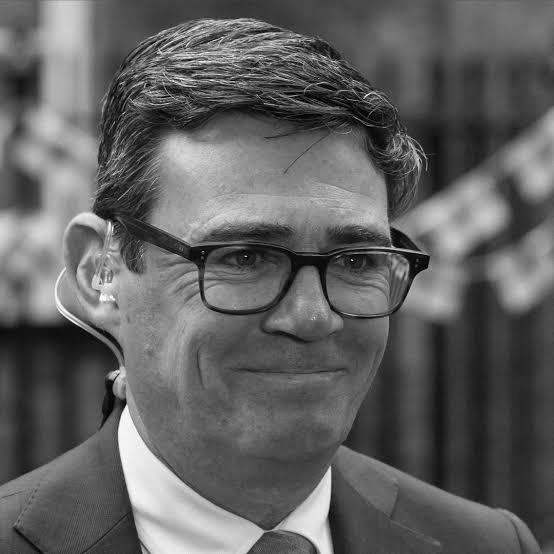
UK's Next PM Andy Burnham Faces His Biggest Test: Can He Deliver the Change Britain Craves?
Britain is preparing for a significant political transition as Andy Burnham moves closer to becoming the country's next prime minister following Keir Starmer's resignation. The former Mayor of Greater Manchester has built a reputation as one of Labour's most popular and relatable leaders, raising hopes that his leadership could inject fresh energy into British politics. Yet despite the excitement surrounding his arrival, Burnham will inherit many of the same political and economic challenges that weakened Starmer's government.
Expected to formally take over in July if no challenger enters the Labour leadership race, Burnham returns to Parliament after spending a decade leading Greater Manchester , where he earned praise for promoting regional development, improving public transport and pushing for greater local powers. His success at the regional level has strengthened his image as a leader capable of delivering practical results.
However, governing the entire country presents a much tougher challenge.
Britain continues to grapple with a sluggish economy , a persistent cost of living crisis , pressure on public services and growing demands for increased defence spending . These issues remain at the heart of public frustration and will dominate Burnham's early months in office.
Unlike many incoming leaders who promise sweeping reforms, Burnham has taken a cautious approach. He has pledged to stick with Labour's existing spending and borrowing plans , seeking to reassure financial markets that Britain will maintain fiscal discipline. Analysts believe striking the right balance between economic stability and meaningful change will be one of his biggest tests.
Burnham is widely associated with "Manchesterism," a political approach that combines business friendly policies with stronger public investment and greater devolution of powers to local communities. He has long argued that decisions on housing, transport and education should be made closer to the people they affect, rather than being concentrated in London.
Questions remain, however, about how he will finance ambitious reforms while refusing to raise taxes on working people . At the same time, Britain faces mounting pressure to increase military spending in line with NATO commitments, creating difficult choices for the next government.
Foreign policy also presents a fresh challenge. Unlike Starmer, who became an active figure on the international stage through support for Ukraine and close engagement with Western allies, Burnham has largely focused on domestic issues throughout his career. His previous criticism of US President Donald Trump could also make managing the UK-US relationship more complicated.
Political observers believe Burnham's greatest strength lies in his ability to connect with ordinary voters. His approachable style and strong communication skills have made him one of Labour's most recognisable figures. Yet popularity alone will not guarantee success. Ultimately, Burnham's leadership will be judged not by his image, but by whether he can improve living standards, restore public confidence and prove that Britain's change in leadership brings genuine change in direction.