
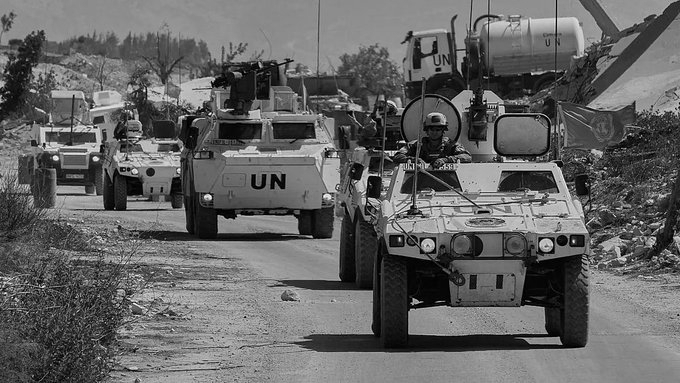
UN Peacekeepers Prepare to Exit Lebanon After Nearly 50 Years, Leaving South Without a Security Plan
Southern Lebanon is heading towards an uncertain security future as the United Nations prepares to withdraw its peacekeeping force after nearly five decades, with no clear arrangement in place to fill the gap.
The UN Interim Force in Lebanon (UNIFIL), which has operated in the region since 1978, is scheduled to begin a gradual withdrawal of its 7,500 peacekeepers from January 1, ahead of the expiry of its mandate at the end of 2026. The move comes as Israeli forces continue to occupy parts of southern Lebanon and tensions over the disarmament of Hezbollah remain unresolved.
Lebanon wants the UN mission to continue, but the UN Security Council voted last year to end its mandate, following pressure from the United States and Israel. While Israel has criticised UNIFIL for failing to prevent Hezbollah's military expansion, residents in southern Lebanon say the peacekeepers' presence provides a sense of security amid continuing hostilities.
UNIFIL commander Maj Gen Diodato Abagnara said the mission was never intended to disarm Hezbollah but to support the Lebanese Armed Forces in establishing control over the south. He warned that avoiding a security vacuum after the withdrawal was crucial.
The situation has become more complicated following renewed fighting between Israel and Hezbollah in March, linked to the wider Iran war. Israeli forces have occupied large areas, demolishing dozens of villages. Around 11,000 people remain in a handful of mostly Christian villages inside the occupied territory and depend on UNIFIL for escorted supply convoys.
Meanwhile, an arrangement under which Israel would withdraw in exchange for Hezbollah disarming has stalled. The Lebanese army has removed weapons caches from the border area south of the Litani River but remains cautious about forcibly disarming Hezbollah amid fears of internal conflict.
The United States has indicated support for some form of international presence, although not necessarily the existing UN mission. Israel prefers direct military coordination with the Lebanese army, while Lebanon has rejected both that proposal and the idea of private security contractors.