

‘Undeclared Emergency’? Dipke Detained on Landing, 4 Ex-CMs Among 7,000+ Held as Jantar Mantar Protest Blocked, UN Raises Alarm
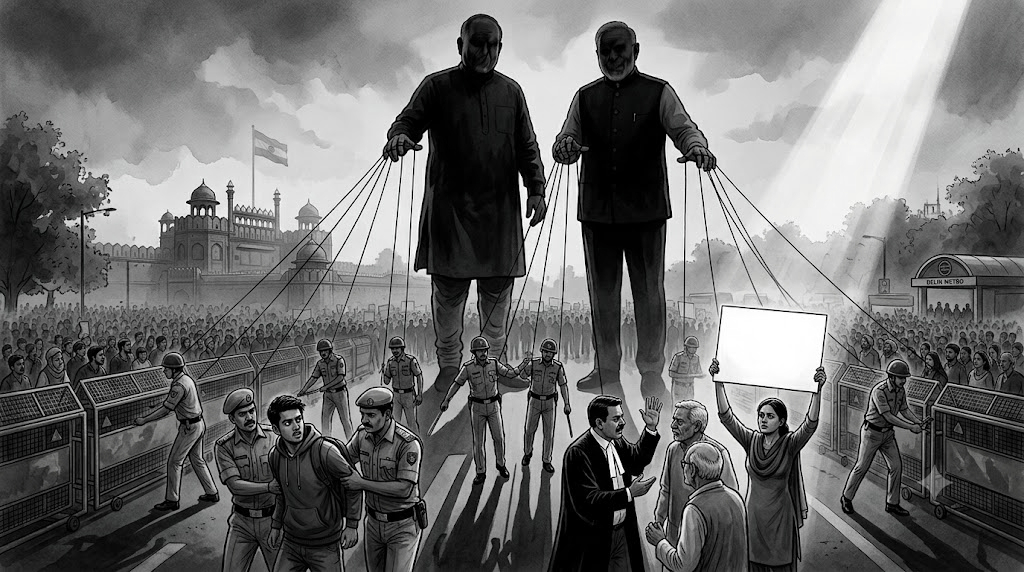
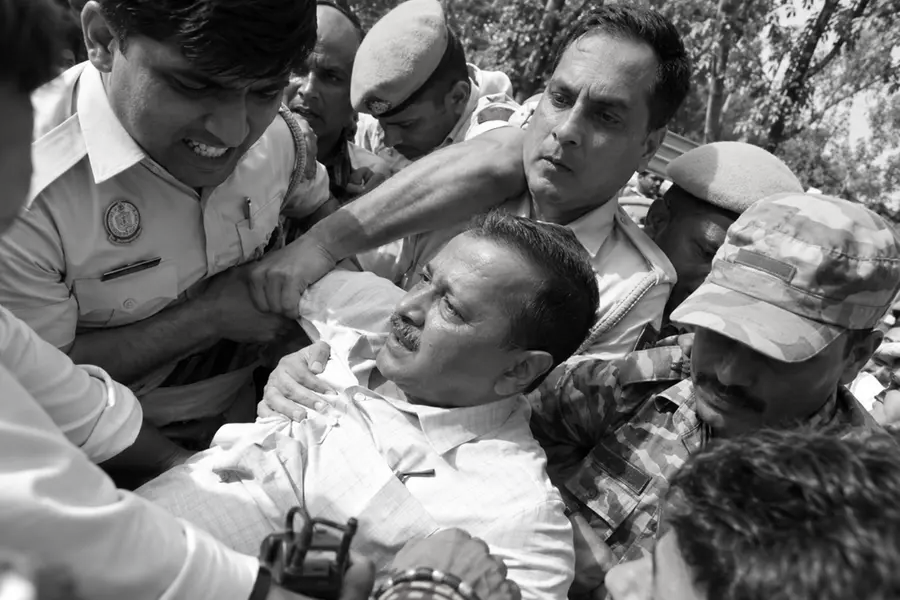
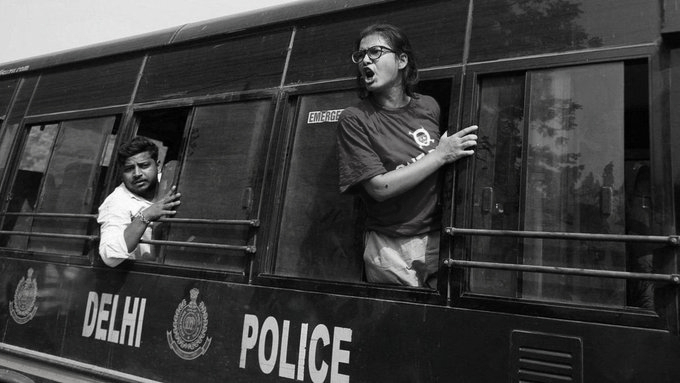
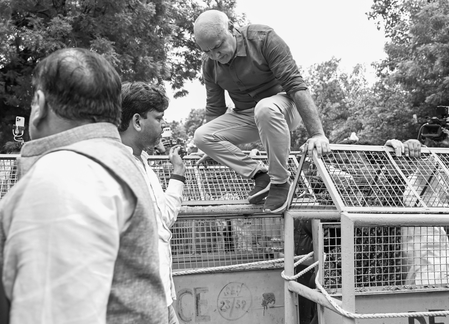
More than 7,000 people were reportedly detained during a sweeping security operation to prevent the Cockroach Janta Party (CJP) from holding a demonstration demanding Chief Election Commissioner Gyanesh Kumar’s resignation over the Special Intensive Revision (SIR) of electoral rolls. Jantar Mantar was sealed, opposition leaders, students, lawyers and activists were detained, and restrictions at 45 Metro stations disrupted movement across Delhi. The United Nations human rights office expressed concern over the mass detentions and called for the release of people arbitrarily held. However, the reported total remained disputed, with a Union Home Ministry official reportedly putting the Delhi figure at more than 2,000.
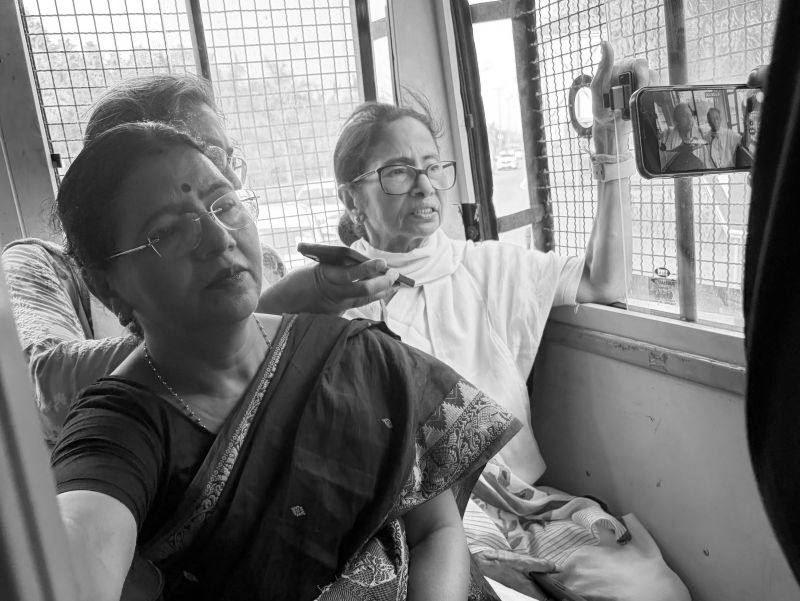
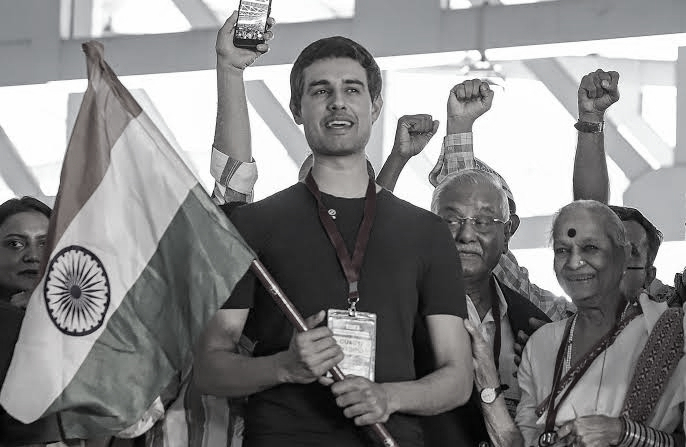
CJP founder Abhijeet Dipke, spokesperson Saurav Das and co-convener Ashutosh Ranka were detained after their aircraft landed in Delhi. Opposition leaders, including Mamata Banerjee, Arvind Kejriwal, Pinarayi Vijayan and Manik Sarkar, were also reportedly detained, alongside content creator Dhruv Rathee, CJP legal affairs head Ratna Singh and other activists.
With Jantar Mantar sealed, protesters attempted to assemble at several locations across the capital. The All India Students’ Association (AISA) played a prominent role, with national president Neha Bora leading a march from INA towards Jantar Mantar alongside senior advocate Prashant Bhushan and activist Yogendra Yadav. Police stopped the march and detained demonstrators. Reports also described a confrontation near Safdarjung Flyover, alleging protesters threw stones and injured two police personnel. Those allegations require investigation and do not, by themselves, justify indiscriminate action against peaceful demonstrators.
The crackdown extended to Mumbai, where police sealed August Kranti Maidan and detained protesters, including social activist Tushar Gandhi. In Delhi, barricades, traffic diversions, Metro restrictions and reported mobile internet curbs disrupted daily life. Metro authorities subsequently announced that all station gates had reopened.
One of the most disturbing developments concerned Dipke. His 85-year-old grandmother, Savitribai Shankarrao Dipke, died in Maharashtra’s Hingoli district while he remained detained in Delhi. The CJP alleged that his family could not inform him of the death and that relatives and lawyers were unable to reach him. The party described the situation as “emotional atyachaar” and demanded his immediate release. Police sources, however, maintained that Dipke had been informed and could decide whether to return home for the last rites. The conflicting accounts raise serious questions about communication with detainees and their access to family and legal counsel.
Legal challenges followed. Ratna Singh approached the Saket court seeking an FIR against police personnel, alleging that officers blocked her vehicle and prevented her from joining a lawyers’ protest. The court rejected her application on procedural grounds, which did not determine the truth of her allegations. Separately, lawyers detained near the Supreme Court were taken to Yamuna Sports Complex. Following an urgent representation by the Supreme Court Bar Association, Chief Justice of India Surya Kant communicated that they should be released.
The Supreme Court had warned on October 9 that public transport could be regulated but should not be completely shut down. Advocate Shailendra Mani Tripathi subsequently filed a contempt petition against Union Home Secretary Govind Mohan, Delhi Police Commissioner Anurag Kumar and Delhi Metro Rail Corporation chairperson D. Thara, alleging non-compliance with the court’s directions. A special hearing was scheduled for October 11, with the allegations yet to be finally adjudicated.
The UN human rights office stressed that peaceful assembly is a fundamental right and restrictions must be necessary and proportionate. Banerjee alleged that Delhi Police had effectively kidnapped her and five MPs. She protested at Dwarka North Police Station and decided to remain in Delhi for the INDIA bloc’s planned October 12 demonstration, with Abhishek Banerjee also expected to participate.
The confrontation centres on the CJP’s allegation that SIR risks wrongfully excluding eligible voters. The Election Commission maintains that the exercise aims to remove deceased, duplicate and otherwise ineligible entries. Allegations of deliberate manipulation remain contested, but errors in electoral rolls can affect voting rights and require transparent procedures and accessible remedies.
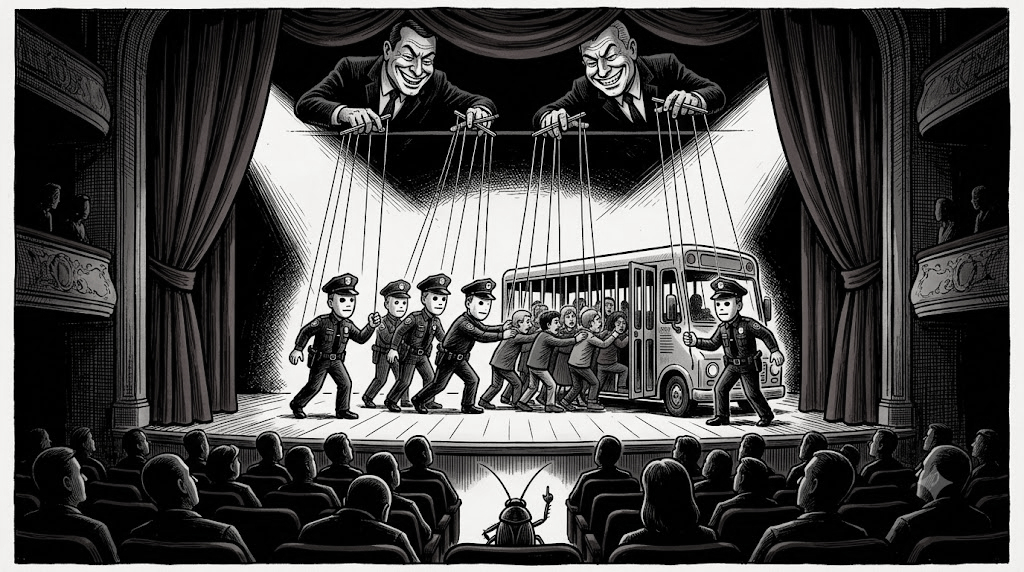
Critics have described the crackdown as an “undeclared Emergency”, a political description, not a formal legal finding. The comparison carries a pointed irony: the political establishment that repeatedly invokes Indira Gandhi’s 1975–77 National Emergency to criticise the Congress must now answer questions about its own handling of dissent. The current situation is not legally equivalent to a formally proclaimed Emergency, but mass detentions and restrictions on assembly warrant scrutiny.
A government that invokes the lessons of the Emergency should not adopt practices that undermine the freedoms it claims to defend. Any violence must be investigated, but authorities must also explain the legal basis for detentions and demonstrate why less restrictive measures were inadequate.
The CJP has vowed to continue its campaign. Its demand for Kumar’s resignation may be contested, and allegations surrounding SIR must be assessed on evidence. But maintaining public order does not place the state above the law. The test of a democracy is not whether dissent is convenient for those in power, but whether citizens can challenge institutions without facing unjustified restrictions.