
UNGA: World Leaders Voice Concern Over Raging Conflicts, Trump Unapologetic, Iran To Respond Today
This year’s United Nations General Assembly is unfolding against the backdrop of geopolitical crises. The US-Iran war, the Russia-Ukraine conflict, instability in the Gulf and deep political divisions in Europe have turned the annual gathering of world leaders into a crucial diplomatic moment. Nearly 130 heads of state and government are attending the high-level week in New York, where speeches, bilateral meetings and diplomatic efforts are taking place alongside the continuing wars.
Diplomacy is being given a chance here, even as the fighting continues outside the UN headquarters. The bombs may have been kept outside the UN chamber, but the confrontation has shifted to the podium, with leaders using their speeches to put forward sharply different positions on war, peace, sovereignty and the future of the international order.
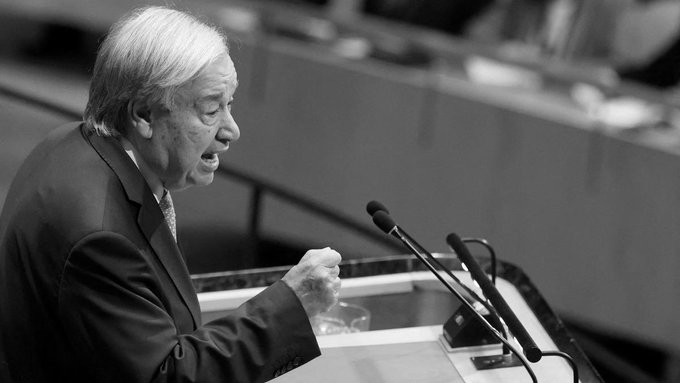
UN Secretary-General António Guterres opened the high-level debate with what was his final UNGA address before leaving office at the end of the year. Guterres called for an end to wars, de-escalation in the Middle East, the restoration of navigational rights and the flow of humanitarian aid. He also pushed for global rules to govern Artificial Intelligence, stronger action on climate change and reforms to international institutions.
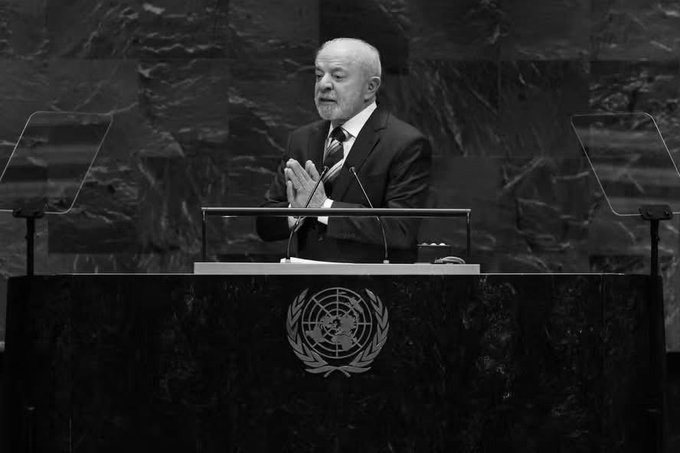
Brazilian President Luiz Inácio Lula da Silva, who traditionally speaks first among national leaders, followed Guterres. Lula warned that democracy is once again under threat, criticised foreign interference in elections and said the UN's credibility has “never been lower”. He also attacked the paralysis of the Security Council and called for stronger multilateralism, sovereignty and diplomacy.
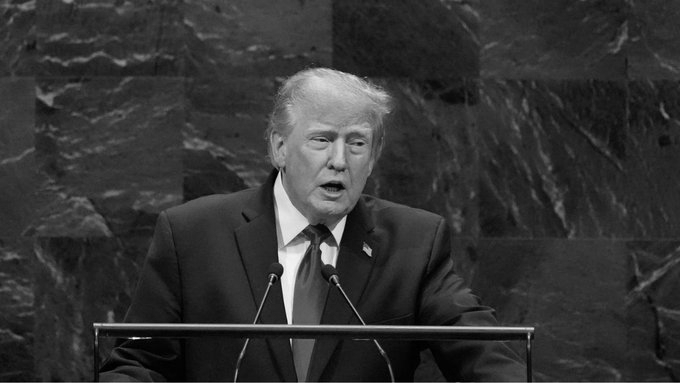
Then came the host country, with US President Donald Trump taking centre stage.
Trump began by portraying the United States as stronger than ever. He highlighted what he described as America's strength and achievements and argued that Washington had to help reshape the existing world order. He then turned much of his speech towards Iran and the war that has now entered its seventh month.
Trump defended his decision to launch military action against Iran and said he would never allow Tehran to obtain a nuclear weapon. He described Iran as the world's leading state sponsor of terror and argued that the US military campaign had severely damaged its nuclear programme and military capabilities.
Trump also pointed to Iran's missile programme, saying Tehran had demonstrated the ability to develop missiles capable of reaching Europe. He warned of what could have happened if Iran had succeeded in obtaining a nuclear weapon, arguing that the regime could then have continued spreading what he described as terror and death.
The US president said he had no interest in allowing dangerous problems to continue growing.
“ While others have talked, I have acted,” Trump said, presenting military action as the response to what he described as years of unsuccessful efforts to contain Iran. He argued that problems become harder to solve when they are allowed to fester and said that while others had spoken about peace, he had chosen to confront threats directly.
Then came the central question of Trump's speech: Will there be a deal with Iran?
Trump laid out two possible paths. One was a deal that would allow Iran to rebuild and become, in his words, a far greater country and potentially one of the greatest countries in the Middle East or even the world. The other option, he said, was to “annihilate the Islamic Republic” quickly and prevent it from being able to kill or destroy people and countries again.
Trump nevertheless said he believed a deal could eventually be reached after the US midterm elections. His remarks came as Washington and Tehran remain locked in a military confrontation while intermittent diplomatic efforts continue.
The other major leaders at this year's UNGA are also using the platform to set out their positions.
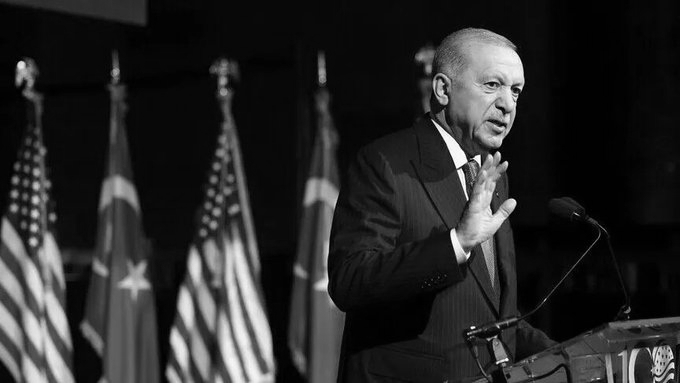
Turkish President Recep Tayyip Erdogan warned that attempts to “strangle” the Palestinian state would fail and called for Gaza's reconstruction to begin as soon as possible. He also argued that Europe cannot become stronger or safer while excluding Turkey from its security architecture and echoed calls to reform the UN Security Council.
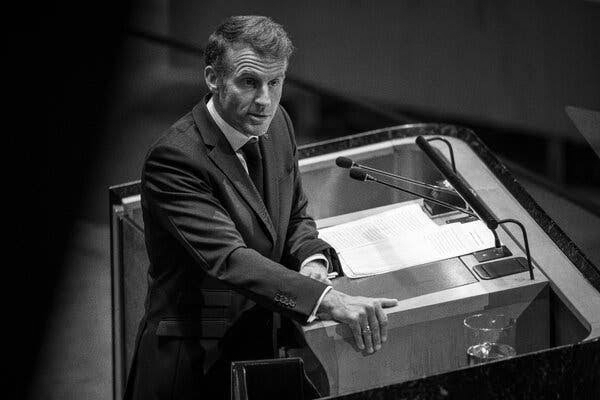
French President Emmanuel Macron is among the other prominent European leaders attending the gathering, as Europe confronts the continuing Russia-Ukraine war and wider questions about European security. The UNGA is providing Macron and other European leaders an opportunity for bilateral diplomacy amid the shifting global security order.
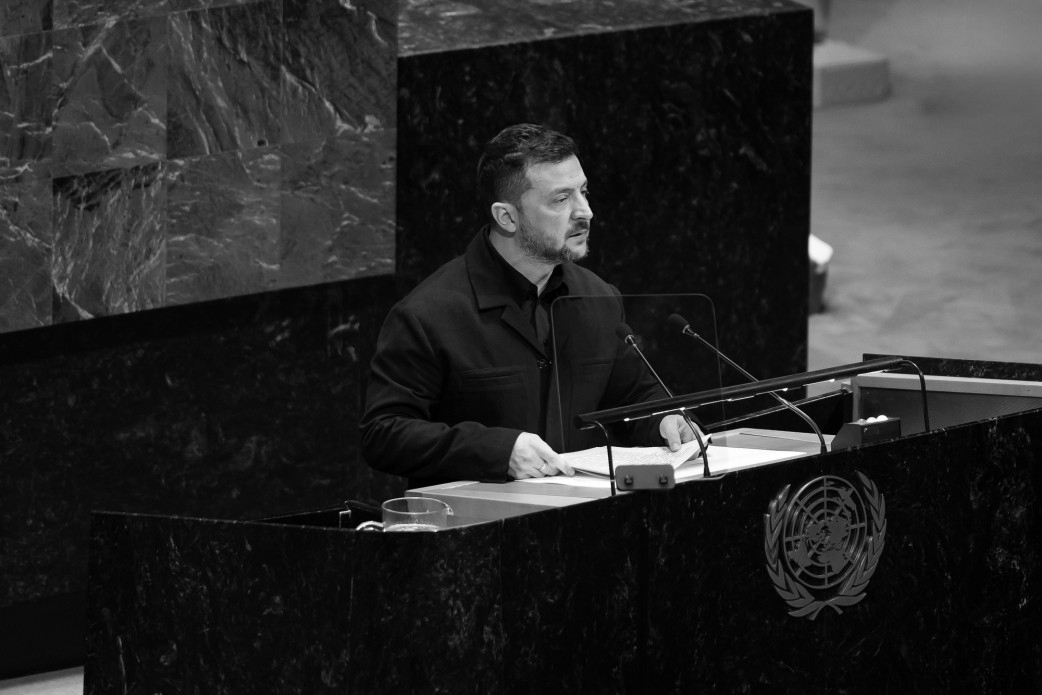
Ukraine's President Volodymyr Zelenskyy is also among the key figures drawing attention at this year's gathering, with the more than four-year Russia-Ukraine war continuing without a breakthrough in diplomatic efforts. World leaders are watching for further discussion of the war and possible diplomatic avenues on its margins.
Meanwhile, China's Xi Jinping is not attending the UNGA in person this year, while leaders from India, South Africa and Germany are also among those skipping the high-level diplomatic meeting. Their absence comes as the gathering focuses heavily on the wars in the Middle East and Europe, global governance and the changing balance of power.
The focus now shifts to Iran.
Unlike previous UNGA gatherings, Iran's presence in New York comes while the two countries remain at war. The Trump administration nevertheless allowed a core Iranian delegation to attend because of US obligations as the host country under the UN headquarters agreement.
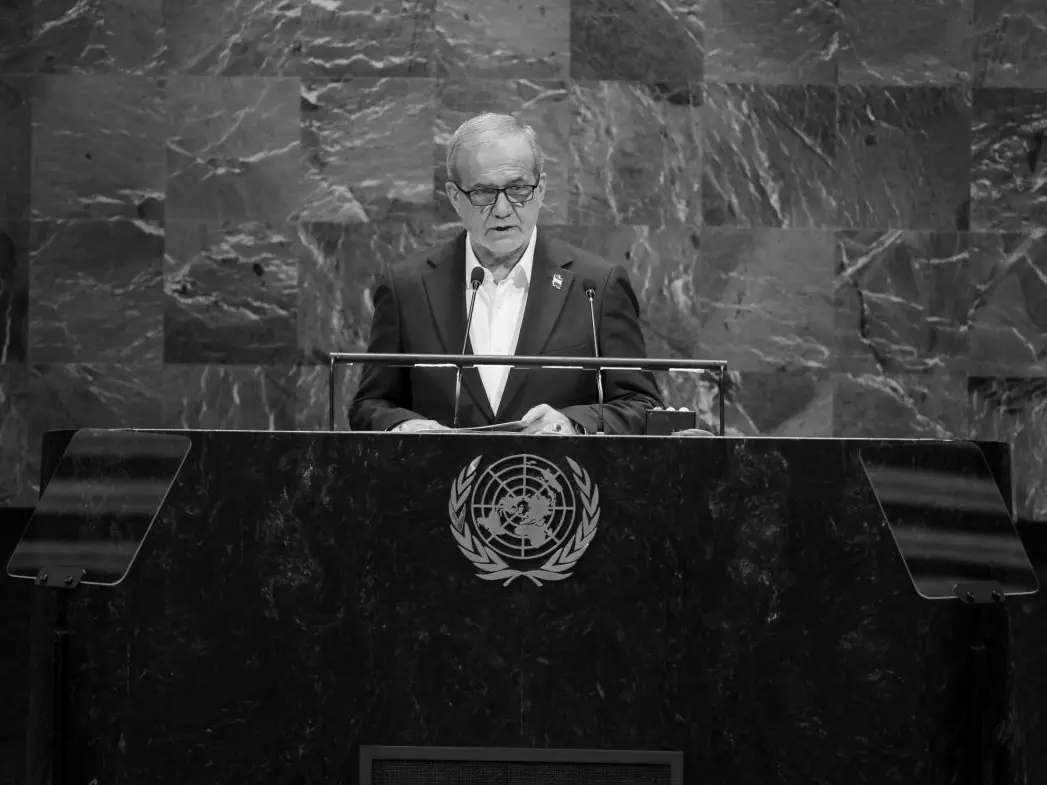
Iranian President Masoud Pezeshkian and Foreign Minister Abbas Araghchi were granted permission to attend. Pezeshkian is expected to address the General Assembly on Wednesday, while Araghchi has been leading Iran's diplomatic effort in New York.
But there is a major catch. The Iranian delegation has been subjected to strict restrictions. Its movements are limited to the UN headquarters, Iran's UN mission, the Iranian ambassador's residence and John F. Kennedy International Airport. The delegation is also smaller than in previous years and faces restrictions on purchasing luxury and other goods.
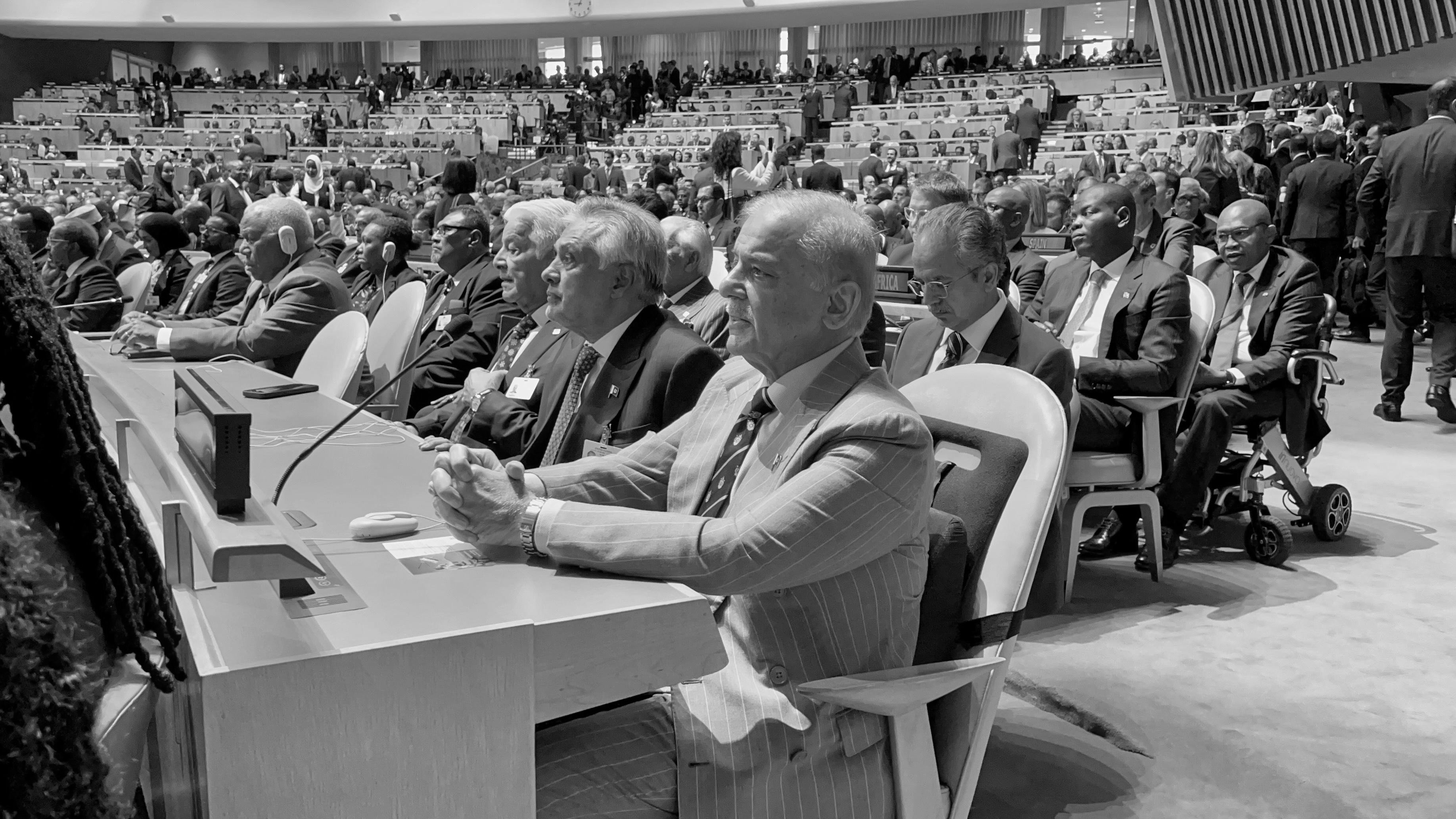
The confrontation was already visible inside the UN chamber. As Trump began discussing the US military campaign against Iran, members of the Iranian delegation walked out of the General Assembly, leaving only one person seated. Their departure came as Trump defended the strikes and argued that Washington had acted because it could not allow Iran to develop a nuclear weapon.
Iran's response is expected to be sharply different from Trump's.
Pezeshkian is expected to use his Wednesday address to present Tehran's position on the war, defend Iran's interests and challenge Washington's justification for military action. Araghchi has also been leading Iran's diplomatic effort in New York, with the UN providing Tehran a global platform to make its case.