
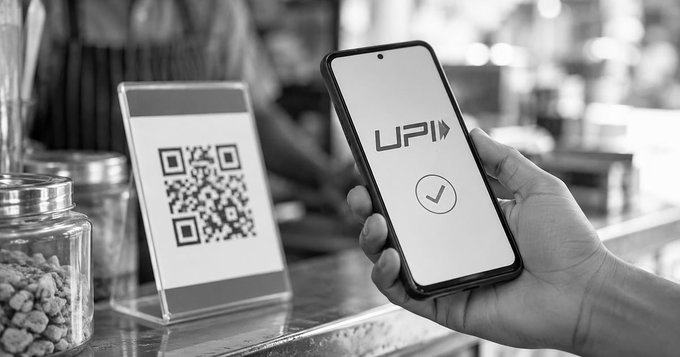
UPI Payments Up to Rs 2,000 to Remain Free, MDR on Higher Transactions Yet to Be Decided
The government has directed banks and payment system providers not to levy charges on UPI transactions up to Rs 2,000, while also keeping payments made through RuPay debit cards free. However, it has not yet clarified whether a Merchant Discount Rate (MDR) will be imposed on higher-value UPI transactions.
According to a gazette notification dated September 14, no bank or payment system provider can directly or indirectly charge a person making or receiving a UPI payment of up to Rs 2,000. The provision also covers RuPay debit card transactions.
The move follows an amendment to Section 10A of the Payment and Settlement Systems Act, 2007, which creates a framework for imposing MDR on UPI and other notified electronic payment modes. Parliament passed the amendment during the Monsoon Session, which concluded on August 13.
For customers, the decision means everyday UPI payments of up to Rs 2,000 will remain free. The bigger uncertainty concerns merchants handling higher-value transactions. If MDR is eventually introduced for payments above Rs 2,000, a percentage of the transaction could be deducted from the merchant's payment. However, no MDR rate has been announced so far.
The government has argued that UPI's rapid growth has increased the need for continuous investment in cybersecurity, fraud prevention and payment infrastructure. It has also said that relying solely on subsidies is not sustainable and that a revenue model could encourage greater competition and expansion in the digital payments sector.
The UPI and Services Steering Committee, headed by the National Payments Corporation of India (NPCI), is expected to decide the MDR framework.
Launched on August 25, 2016, UPI has transformed India's digital payments landscape. Its transaction value has risen from Rs 0.07 lakh crore in FY17 to around Rs 314 lakh crore in FY26. UPI is now accepted in 11 countries, with Uzbekistan being the latest addition.