
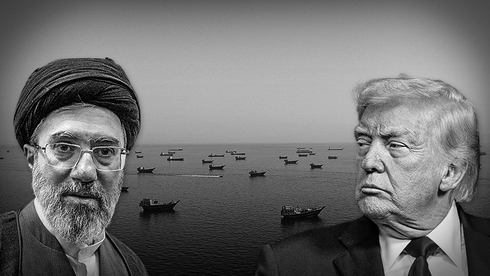
US and Iran Agree to Stand Down After Days of Strikes, Doha Talks Set for Today
The Islamabad Memorandum of Understanding, signed on June 17 between Washington and Tehran, survived its most serious test this weekend with consecutive days of drone attacks, retaliatory strikes, and missile barrages across four countries gave way to a fragile standdown and a new round of talks scheduled for Tuesday in Doha.
A US official confirmed that both sides had agreed to halt all kinetic activity, that technical talks would continue across all areas of the MOU, and that vessels could move freely through the strait. Trump posted on Truth Social that Iran had requested a meeting and that it would take place in Doha on Tuesday, though he offered no further detail. A senior Iranian source confirmed that the Doha session would focus on the management of shipping in the Strait of Hormuz and how to de-escalate tensions between the two countries.
US Ambassador to the United Nations Mike Waltz confirmed that Vice President JD Vance remains committed to diplomacy, while warning that the US would continue to strike Iranian infrastructure used to illegally control an international waterway if attacks on commercial shipping continued.
Iranian Deputy Foreign Minister Kazem Gharibabadi confirmed that the first meeting of the Joint Hormuz Committee had been held in Muscat, where both sides reviewed current issues related to the strait and exchanged views on its future management. Iran has insisted it retains total oversight of the waterway for the next 30 days, a position Washington has not formally accepted.
The Strait of Hormuz shipping traffic remains far below pre-war levels. Vessel crossings dropped to just 12 on Sunday, a sharp decline from the peak of 70 recorded on the previous Wednesday following the MOU signing, against a pre-war daily average exceeding 100. By Monday, 39 ships had crossed, indicating a partial recovery after the standdown was confirmed.
The broader regional picture remains unstable. Israeli authorities recorded nearly 4,800 hostile cyber incidents attributed to Iran in June alone, compared to roughly 1,600 during the same period last year. In Lebanon, Israeli soldiers killed two people near a bulldozer in southern Lebanon on Tuesday, the first fatalities since a ceasefire brokered over the weekend, raising concern that renewed fighting could threaten the wider diplomatic framework, given Iran's insistence that a full truce in Lebanon be part of any comprehensive deal.
The total cost of the war to the US military alone was estimated at $40 billion as of June 21, with Trump requesting a further $87 billion. Arab countries have absorbed losses of approximately $120 billion. Iran's own government assessed its economic damage at possibly $1 trillion.
The ceasefire's actual durability will be determined by whether Tuesday's Doha session produces written clarity on which transit corridor commercial vessels are authorised to use, the narrow technical question that has twice already pushed both sides back to the edge of open war.