
US Bombs Iran's Qeshm Island After Hormuz Clashes, Is War Set To Resume?
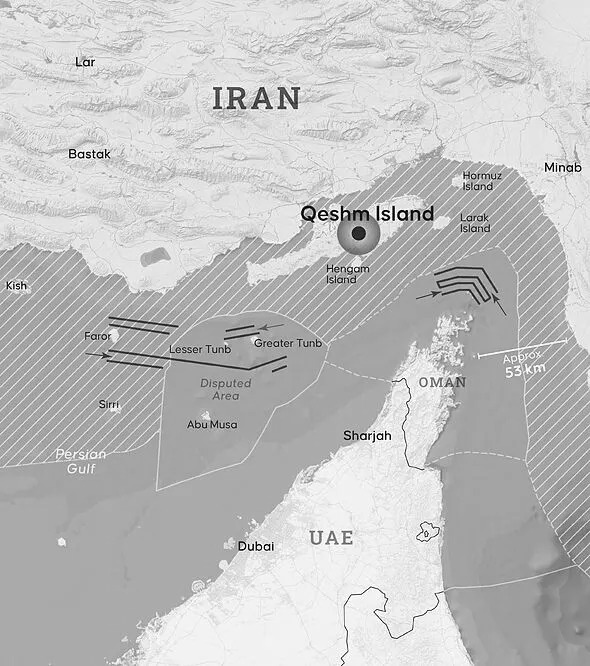
The United States has launched fresh strikes on Iran, bombing multiple targets on the strategically important Qeshm Island near the Strait of Hormuz. The overnight attacks followed a series of military confrontations between American and Iranian forces on Monday, November 2, raising fears that the fragile pause in fighting could collapse and a full-fledged war could resume.
US officials have described the operation as a limited defensive strike, insisting that it does not signal the beginning of another major military campaign. However, the latest developments suggest that tensions between Washington and Tehran remain far from over.
The confrontation began on Monday when Iranian forces targeted American military assets operating around the Strait of Hormuz. US aircraft regularly patrol the waterway, monitor Iranian military activity, protect commercial shipping and intercept drones and missiles.
Iran's Islamic Revolutionary Guard Corps (IRGC) claimed that it had brought down and captured two American MQM-170 reconnaissance drones south of Qeshm Island using electronic warfare systems. It separately claimed that its air defence systems destroyed an American MQ-9 Reaper drone over the eastern Strait of Hormuz. Iran described the latter as the 55th MQ-9 it had brought down.
The United States also accused Iran of firing missiles at American military aircraft and threatening commercial shipping. According to reports, an Iranian surface-to-air missile was fired at a US fighter jet operating over the waterway. American forces responded by destroying the missile launcher. US forces also intercepted a missile fired towards commercial vessels in the Strait of Hormuz.
The confrontations were followed by American strikes on Iranian targets during the night. At least five explosions were reported on Qeshm Island, with residents describing powerful blasts and reporting aircraft flying overhead. Reports also indicated that explosions were heard on nearby Hengam Island and in the port city of Bandar Abbas. Videos circulating from the area showed bright flashes illuminating the night sky. The full extent of the damage remains unclear.
Iran controls several strategically positioned islands near the entrance to the waterway, including Qeshm, Hormuz and Larak. These islands give Tehran important military positions from which it can monitor and potentially control maritime movement through the narrow passage.
Among them, Qeshm is particularly important. The island hosts an underground missile facility, a naval base, radar installations and a major desalination plant. Its strategic location and military infrastructure make it a high-value target during any confrontation involving the Strait of Hormuz. US strikes reportedly targeted Iranian missile launchers and radar facilities on the island.
However, the latest attacks may not be an isolated operation. According to US officials cited by American media, Washington has conducted similar limited strikes against Iranian targets secretly over the past several weeks. These operations were not publicly announced because the administration wanted to avoid creating the impression that major combat operations had resumed.
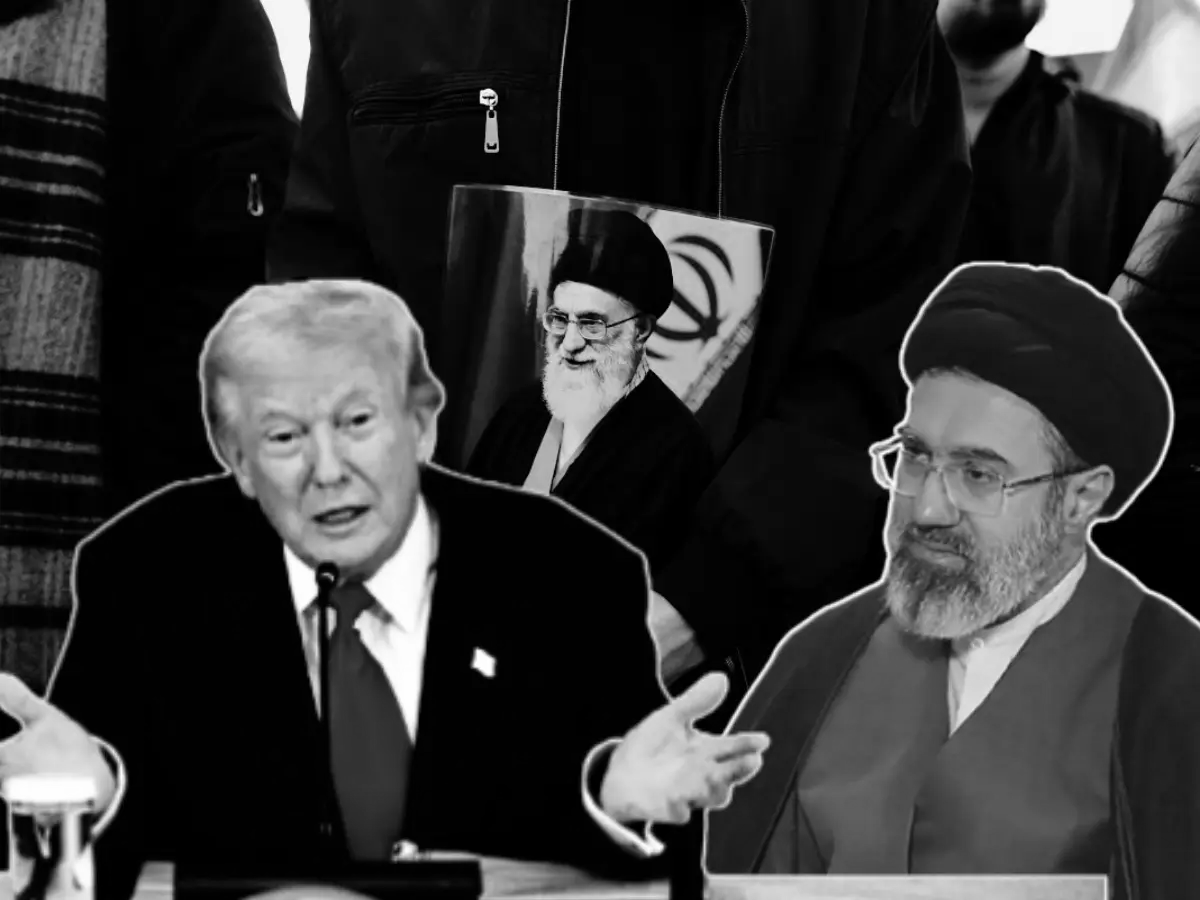
The timing is particularly significant. On Monday, US President Donald Trump publicly claimed that Iran had already been defeated and was desperate to reach a deal with Washington. He said Iran's navy and air force had been destroyed, its aircraft were scattered across runways, and its anti-aircraft systems and missile capabilities had been severely weakened.
"We're winning with Iran, easily winning them," Trump said. He also claimed that Iran had no money, was facing inflation of more than 300 per cent and wanted to negotiate an agreement.
Yet, while Trump was publicly projecting military victory and talking about a possible deal, American forces were continuing to strike Iranian targets behind the scenes.
The attacks also come just before the US midterm elections on November 3. Trump had previously indicated that the United States would not attack Iran before the elections. The undisclosed operations therefore raise questions about the administration's public messaging and its handling of the conflict.
However, Trump is facing three options on Iran, with divisions emerging among his advisers. Vice President JD Vance and US envoy Steve Witkoff favour a diplomatic deal, arguing that negotiations could prevent another major war. Meanwhile, Defence Secretary Pete Hegseth and Israeli Prime Minister Benjamin Netanyahu are pushing for renewed military action, believing Iran should face further attacks. A third option, backed by Secretary of State Marco Rubio, Treasury Secretary Scott Bessent and CIA Director John Ratcliffe, is to maintain maximum economic pressure through sanctions and restrictions without immediately restarting a full-scale war. Iran, meanwhile, could retaliate if the US launches further strikes .