
US-Europe Trade Tensions Rise as Trump Threatens 100% Tariffs Over Digital Taxes
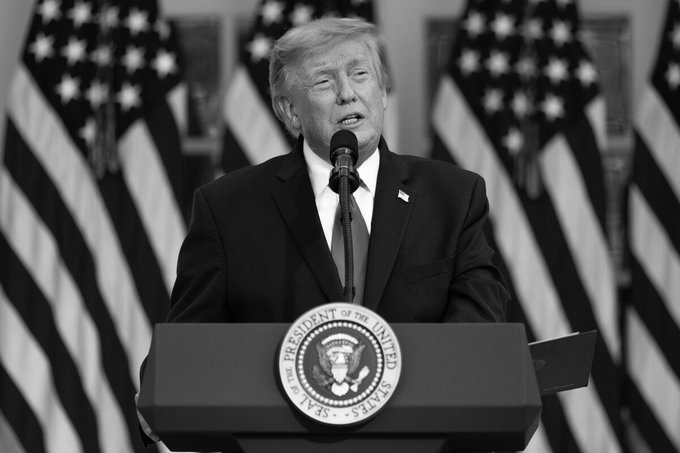
US President Donald Trump has once again turned up the heat in global trade negotiations, warning that any country imposing a digital services tax on American technology companies could face a 100% tariff on all goods exported to the United States . The sharp warning signals a fresh escalation in the long running dispute between Washington and several European nations over how digital giants should be taxed.
In a strongly worded post on social media, Trump declared that countries moving ahead with such taxes would immediately face sweeping import duties, regardless of any existing trade agreements. Although the warning applies to all nations, the US President specifically pointed to European countries , where discussions on taxing large multinational technology firms have gathered momentum.
The issue revolves around governments seeking to tax the revenues generated by global digital companies such as search engines, social media platforms, and online marketplaces that earn significant income from local users despite often paying relatively little corporate tax in those countries. European governments argue that existing international tax rules have failed to keep pace with the rapidly expanding digital economy.
Trump, however, has consistently opposed these measures, maintaining that they unfairly target American technology companies . His administration has repeatedly described digital services taxes as discriminatory and has earlier used the threat of tariffs to discourage countries from adopting such policies.
The latest warning comes at a sensitive moment in US Europe trade relations . Both sides are preparing to implement a recently negotiated trade arrangement that caps tariffs on most European Union exports to the United States at 15% . While the agreement helped ease months of trade uncertainty, digital taxation was deliberately left outside the deal, leaving one of the biggest areas of disagreement unresolved.
The dispute is not limited to the European Union. The United Kingdom , despite leaving the EU, has imposed a 2% digital services tax since 2020 on revenues earned by major search engines, social media companies, and online marketplaces that generate value from British users. British authorities have defended the measure as a way to ensure multinational digital businesses contribute fairly to public finances.
Trade experts say Trump's latest threat could complicate future negotiations and create fresh uncertainty for exporters on both sides of the Atlantic. It also raises questions about how such a sweeping tariff would be legally implemented and whether Washington would target all countries simultaneously or proceed on a case by case basis.
As digital taxation becomes an increasingly important issue for governments worldwide, the latest exchange highlights the growing tension between national efforts to secure tax revenues and the United States' determination to protect its technology industry from what it sees as unfair treatment.