
US Firm Plans Large Fuel Export to Cuba’s Private Sector Under US Sanctions Rules
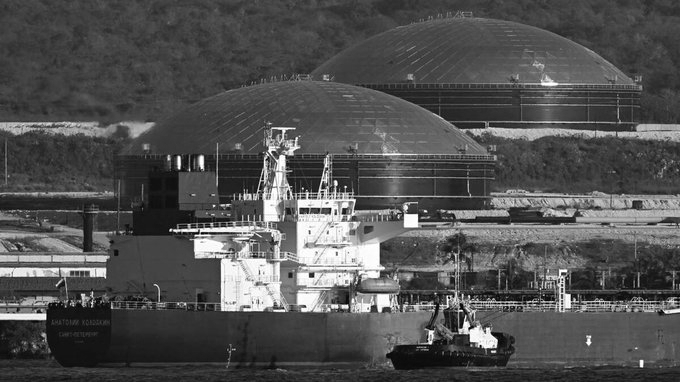
A US-based energy company is preparing a major fuel shipment to Cuba that could become one of the largest American-linked deliveries to the island in decades, according to Bloomberg and other international reports. Florida-based Vanguard Energy is reportedly organising a shipment of around 250,000 barrels of refined fuels , including approximately 100,000 barrels of gasoline and 150,000 barrels of diesel . If completed, it would significantly expand limited but growing US-authorised fuel trade with Cuba’s private sector.
The shipment is being structured under existing US sanctions rules that allow restricted commercial exports to non-state entities in Cuba . Recent reporting indicates that Washington has permitted small-scale fuel deliveries in 2026 aimed at supporting private businesses on the island, rather than the Cuban government. Industry sources suggest that earlier this year, smaller shipments of roughly 30,000 barrels have already been sent using specialised container systems designed to comply with sanctions regulations.
The planned delivery comes as Cuba faces a severe energy crisis marked by fuel shortages and prolonged electricity outages, which have disrupted transport, food distribution, and basic services. Analysts estimate Cuba’s daily fuel requirement at roughly 100,000 barrels , meaning even large shipments would provide only temporary relief.
While some commentary has described US policy as a “blockade,” official regulations continue to allow limited humanitarian and private-sector trade under strict licensing conditions. US officials have also linked Cuba policy to broader regional dynamics, including shifting oil supply routes after the decline of Venezuelan exports to the island.
The Vanguard Energy shipment has not yet been completed and remains subject to regulatory approvals and logistical execution under US sanctions compliance rules. Previous fuel export attempts to Cuba have occasionally faced delays or adjustments due to compliance and political sensitivities.
Overall, the development reflects a tightly controlled and selective trade channel rather than a full policy shift, with fuel flows remaining limited but gradually expanding under specific exemptions.