
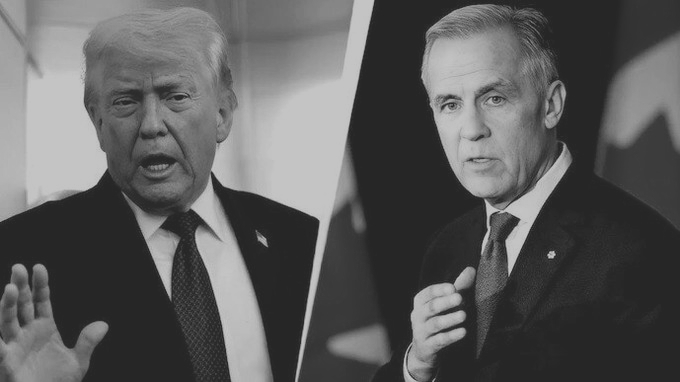
US Slaps 50% Tariffs on Canadian Products, Canada Warns of Retaliation
The United States has imposed 50% tariffs on nearly $20 billion worth of Canadian goods, escalating a trade dispute that has intensified over the past 18 months after last-ditch negotiations between Washington and Ottawa failed to produce a deal. The tariffs took effect early Saturday, August 22, after a three-day extension expired.
The Trump administration says the duties are intended to counter what it calls discriminatory Canadian trade practices affecting American commerce. Under Section 338 of the Tariff Act of 1930, Washington specifically cited Canadian restrictions affecting US alcoholic beverages, dairy products and motor vehicles. The White House said Canada had removed some US alcohol products from store shelves, provided more favourable dairy access to European suppliers and restricted US vehicle exports.
The tariffs cover products including wine and other alcoholic beverages, dairy goods, hockey equipment, cement, clothing and other manufactured products. However, energy, potash, certain fish and critical minerals are exempt. Goods already covered by separate Section 232 tariffs are also excluded. Unlike some earlier measures, the Section 338 duties apply even to goods qualifying for USMCA preferential treatment.
The latest action follows earlier US measures, including 25% tariffs on most Canadian imports, a 10% levy on Canadian energy, 50% tariffs on steel and aluminium, and 25% duties on automobiles and parts.
President Donald Trump announced the latest 50% duties on July 20, with an original effective date of August 19. After intensive negotiations, Trump postponed implementation until August 21, giving both sides three additional days to finalize an agreement.
The talks ultimately collapsed over unresolved issues including autos, metals, dairy and market access. Canadian Prime Minister Mark Carney has suspended negotiations and pledged dollar-for-dollar retaliation, raising the risk of prolonged uncertainty for businesses and North American supply chains.