
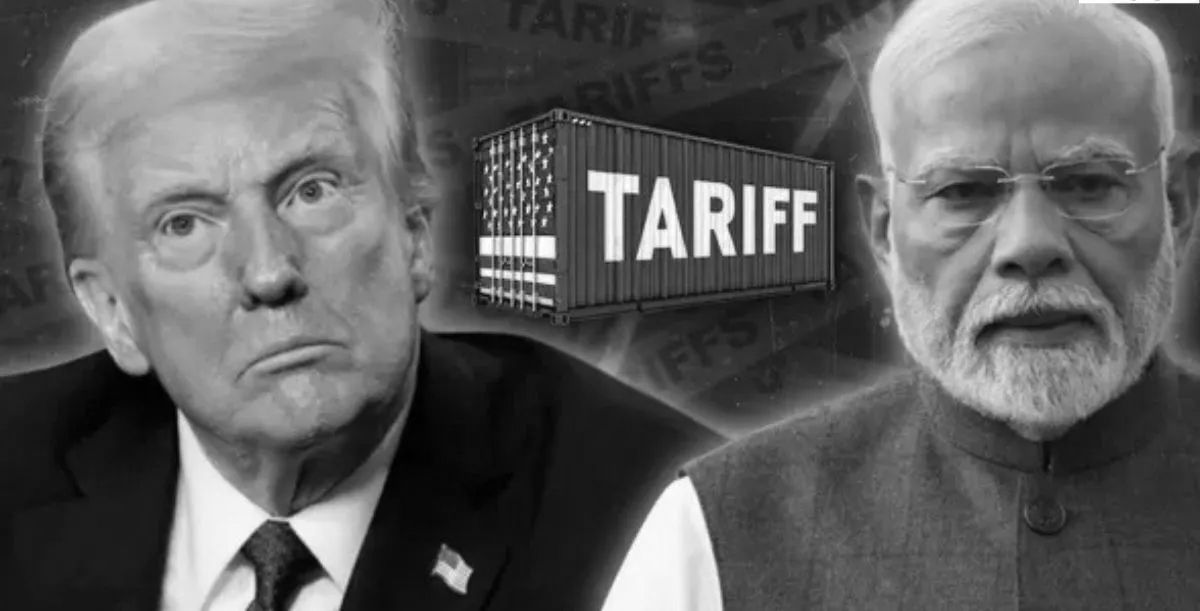
US Slaps India With 12.5% Forced Labour Tariff: Pressure Tactic or Legitimate Concern?
Washington has never been shy about weaponising trade policy, and June 3 brings yet another demonstration of that tradition. The United States Trade Representative has proposed an additional 12.5 per cent tariff on imports from India and 53 other economies, citing failures to prevent goods produced through forced labour from entering global supply chains. The timing, with a US trade delegation literally sitting in New Delhi negotiating an interim trade pact, is either spectacularly coincidental or masterfully calculated pressure . Spoiler: it is almost certainly the latter.
The proposal stems from Section 301 investigations launched in March into 60 economies, a sweeping exercise that conveniently targets most of America's significant trading partners simultaneously. USTR Jamieson Greer, with remarkable conviction, declared that continued importation of forced labour linked goods creates an uneven global trading environment . One might gently note that the United States has its own complicated relationship with labour exploitation domestically, but that conversation is apparently for another day.
India's specific charge sheet is particularly pointed. Beyond the general forced labour allegation, Washington has identified India as an intermediary in supply chains involving forced labour linked cotton originating from China, a serious accusation that New Delhi has firmly rejected. India's Commerce Ministry, admirably composed, has stressed that this proposal remains subject to public comments and hearings until July 6, and that labour standards deserve bilateral dialogue rather than unilateral punishment.
The company India finds itself in is telling. The same 12.5 per cent rate applies to China, Japan, Brazil, Australia, the United Kingdom and Saudi Arabia — essentially a who's who of global trade. Canada and the European Union, deemed slightly better behaved, face a comparatively gentler 10 per cent additional duty . Apparently some trading partners are less unfair than others.
What makes this particularly rich is the backdrop. Assistant USTR Brendan Lynch is currently in New Delhi , both sides have signalled substantial progress on a broader bilateral trade agreement, and analysts are watching this tariff proposal function almost theatrically as negotiating ammunition . Nothing accelerates a trade deal quite like a tariff threat landing on the table mid conversation.
Pharmaceuticals, energy products and aircraft parts are reportedly exempt from proposed duties , which tells you everything about which American industries actually hold leverage in Washington's calculations.
India has until July 6 to submit written comments , with public hearings on July 7. A final decision follows after consultations conclude.