
US Strikes Iran’s Larak Launchers: Could Retaliation Disrupt Global Energy Supplies?
The latest US-Iran escalation marks a return to direct military confrontation after a month-long lull, reviving fears that the conflict could threaten the Strait of Hormuz and energy markets.
The conflict began on February 28, 2026, when the US and Israel launched strikes on Iran. Tehran retaliated against Israel and US-linked targets across the region, while the waterway became a central pressure point. Fighting sharply reduced shipping, with Iran using Hormuz as leverage.
Washington later shifted emphasis toward economic pressure and sanctions, amid concerns over munitions stocks. The July 29 US strikes were followed by weeks without another confirmed attack.
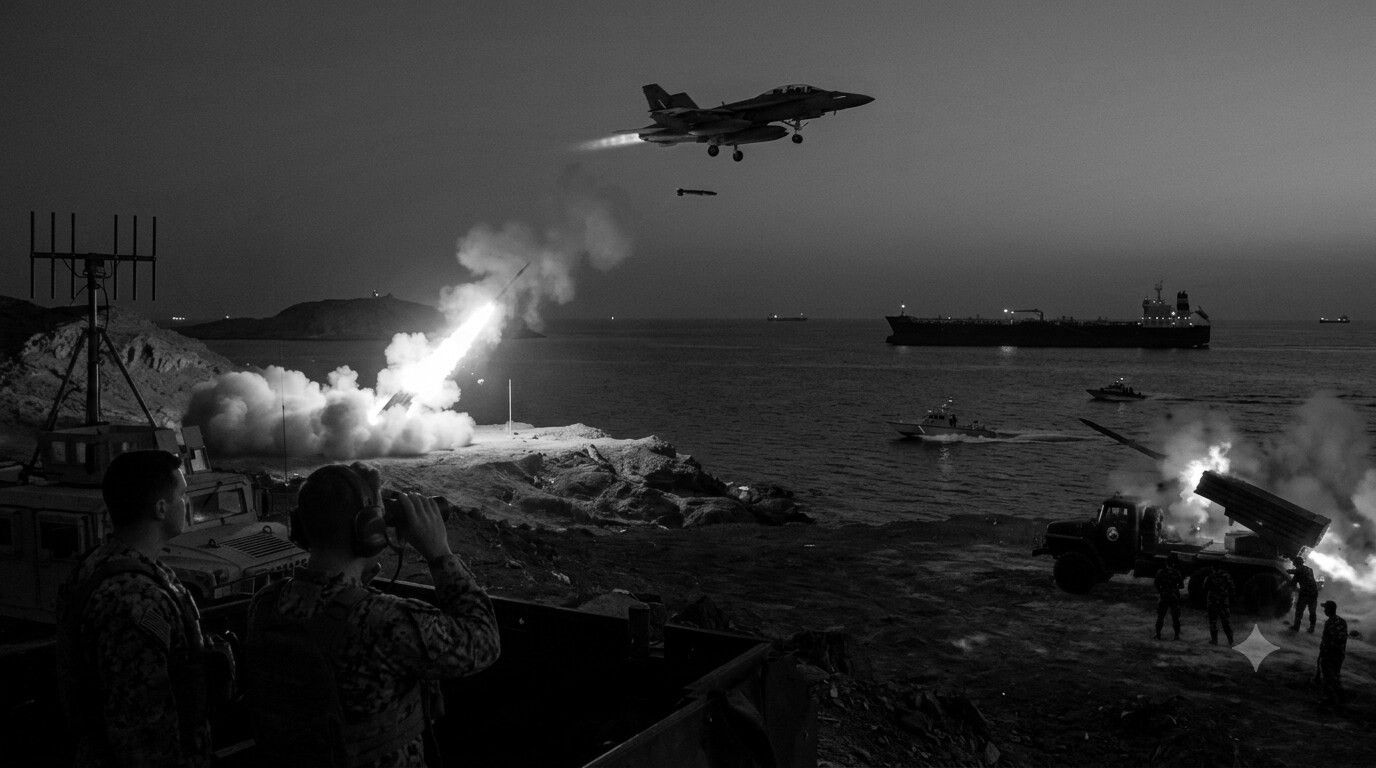
That lull ended on August 30, when US forces struck two Iranian rocket launchers near Larak Island. US Central Command said IRGC personnel were preparing to fire rockets carrying sea mines into the Strait of Hormuz, shortly after American forces had cleared mines from international shipping routes. Washington called the strike defensive.
Iran condemned the attack and promised retaliation. Tehran subsequently claimed it had launched ballistic missiles at US positions in Jordan, while Jordan said its defences intercepted eight missiles. The exchange raises risks to US bases, Gulf allies and infrastructure.
The maritime consequences could be severe. Mines, missiles, drones or attacks on tankers could discourage shipowners, raise insurance and freight costs, and reduce traffic through Hormuz. About one-quarter of global seaborne oil trade and roughly one-fifth of global LNG trade normally pass through the waterway, making disruption an economic risk.
Oil prices have already risen above $90 a barrel, reflecting supply fears. For Asia, the stakes are high because most Hormuz energy shipments are destined for the region. India, heavily dependent on Gulf crude, LNG and LPG, faces higher import costs, shipping premiums and inflationary pressure if disruption persists.
The key question is whether Iran's retaliation remains limited or triggers another sustained US-Iran military cycle. If Hormuz becomes the main battlefield, consequences could extend far beyond the Middle East, affecting energy prices, Asian supply chains and global economic stability.