
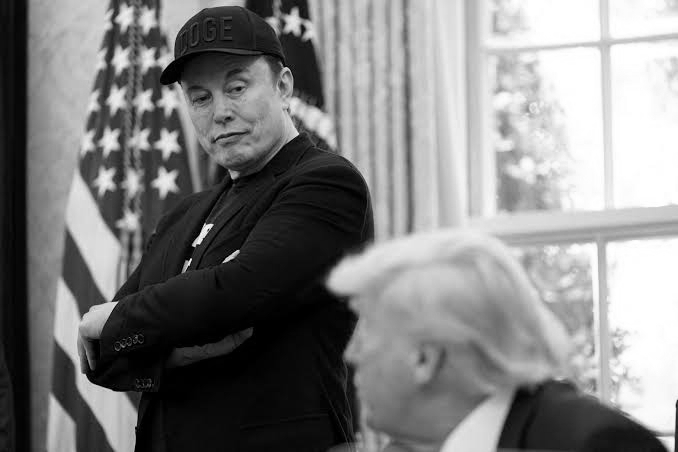
US Supreme Court To Hear Lawsuit Seeking Elon Musk’s DOGE Records
The US Supreme Court has agreed to hear a lawsuit seeking public records from Elon Musk’s Department of Government Efficiency (DOGE), setting up a legal battle over government transparency, presidential authority and the disclosure of records linked to the Trump administration’s sweeping federal restructuring.
The court agreed on Tuesday to hear the Trump administration’s appeal in a case brought by Citizens for Responsibility and Ethics in Washington (CREW). The watchdog group wants records detailing DOGE’s structure, operations and role in decisions involving federal workforce cuts and government contract cancellations.
DOGE was established by President Donald Trump through an executive order on his first day back in office in January 2025, with Musk initially leading the cost-cutting initiative. DOGE announced on July 4, 2025, that its formal mission had ended.
CREW argues that DOGE functioned as a federal agency and must comply with the Freedom of Information Act (FOIA). The Trump administration maintains that it was a presidential advisory body housed within the Executive Office of the President and therefore exempt from the law.
US District Judge Christopher Cooper ruled in April 2025 that DOGE likely fell under FOIA and ordered the government to process CREW’s records request. The Supreme Court intervened in June 2025, narrowing the disclosure order over concerns about internal executive branch communications. CREW subsequently narrowed its requests, but an appeals court allowed evidence-gathering to proceed.
The administration argues that the appeals court failed to respect the Supreme Court’s earlier directions and improperly authorised a sworn deposition of acting DOGE administrator Amy Gleason. CREW says the inquiry is necessary to establish whether DOGE exercised substantial independent authority.
The dispute has gained significance amid questions over DOGE’s reported savings. The initiative claimed to have cut tens of billions of dollars in spending, but the Government Accountability Office found that some reported savings from contract, grant and lease terminations were incorrect, unsupported or involved cancellations already underway.
Federal auditors also reported in September 2026 that limited information provided about DOGE’s access to agency systems left Congress and the public without assurance that sensitive data had been adequately protected.
The Supreme Court is expected to hear arguments in early 2027 and issue a ruling by the end of June. The decision could clarify when presidential advisory bodies must disclose records under federal transparency laws.